

The clash turns a familiar artist-versus-politics dispute into a sharper fight over official social media, war imagery and who gets to frame a pop song’s meaning.
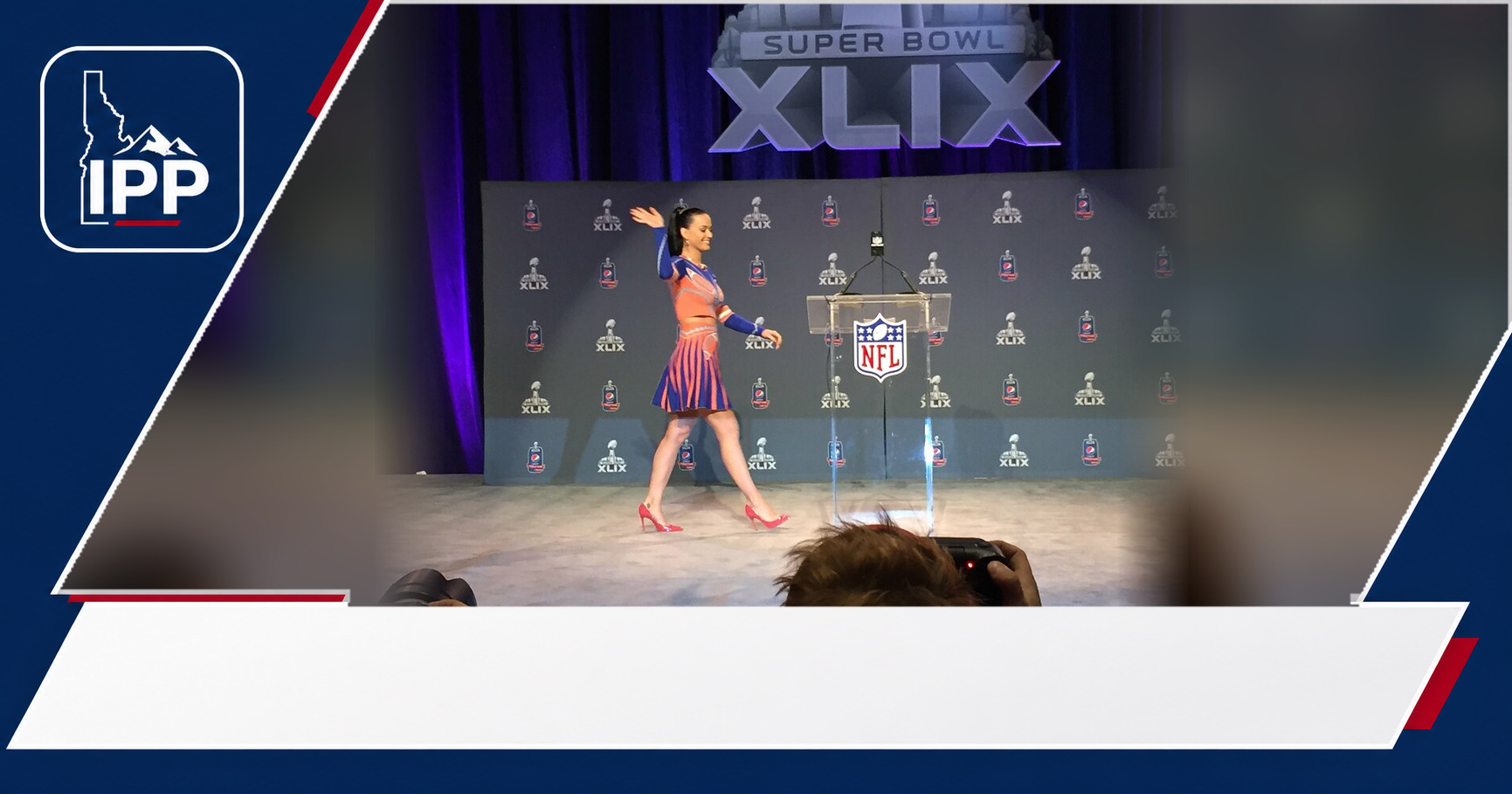
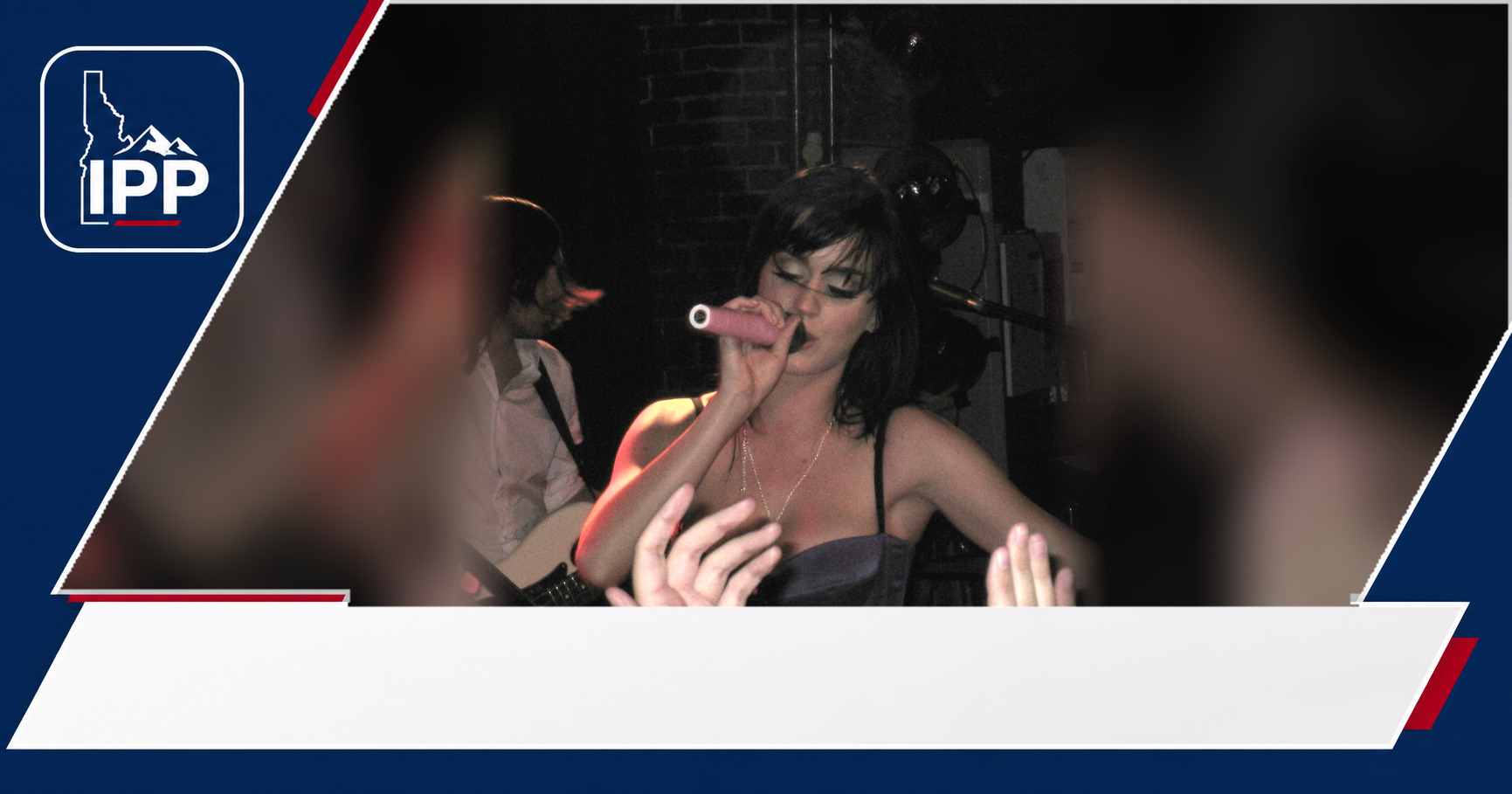
Katy Perry criticized the White House for using her song Firework in a TikTok video about strikes in Iran, saying she was “deeply appalled” and did not approve the use of her song. The White House TikTok account paired her music with military-strike footage, including explosions timed to Perry’s “Boom, boom, boom” lyric, according to The Washington Post and The Hill.
The dispute matters because this was not a campaign rally playlist or a fan edit. It was an official White House post using one of pop’s most recognizable uplift anthems to score images of destruction.
Perry says the song was misused
Perry’s objection was not just about permission. In a statement posted to X, she said she was “deeply appalled and angry” to see Firework used as a backing track on the @WhiteHouse TikTok account for footage of military strikes.

“I did not approve this, I was not asked, and I absolutely do not condone it,” Perry wrote, according to The Hill.
She also framed the use as a violation of the song’s intent. Perry said Firework carries a message of “self-worth and upliftment” and that using it to soundtrack “destruction and violence” ran against what the track represents.
That is the core of the clash: the White House treated the hook as a dramatic sound effect, while Perry argued the post stripped the song of its meaning and recast it as a celebration of warfare.
The TikTok post used a pointed caption
The White House posted the short TikTok on Thursday, The Washington Post reported. The video included footage of bombs going off in Iran and carried the caption: “Iran has been warned.”
The Hill reported that the video showed a missile blowing up a naval ship in Iran and had drawn more than 6 million views and 616,000 likes. The explosive imagery was paired with the part of Firework where Perry sings “Boom, boom, boom,” a lyric designed for a pop chorus but repurposed here as a war-video punchline.
That timing is why the post landed differently from a routine use of background music. The song was not merely playing under a government message; it was synced to the visual impact of explosions.
For an administration account, that choice carries extra weight. An official channel is not only entertaining an audience. It is representing state power, military action and the government’s chosen tone around conflict.
Why artists fight these uses
Artists regularly object when politicians, campaigns or public officials use their music in ways that suggest support, approval or alignment. Sometimes the fight is legal. Sometimes it is reputational. Often, it is both.
Perry’s statement leaned heavily on the reputational argument. She did not simply say the White House lacked permission; she said she did not want her music used to celebrate violence.
That distinction matters because songs carry public identities. Firework is widely associated with encouragement and personal resilience. In Perry’s view, attaching it to strike footage inverted the emotional purpose of the song.
For public officials, recognizable music can make social posts travel farther. A familiar chorus can turn a policy message into a meme-friendly clip. But that same familiarity can make the artist look drafted into a message they never endorsed.
A pattern beyond one pop star
The Perry dispute follows other clashes between musicians and political messaging around President Trump and White House social media. The Hill noted that Kesha criticized the White House TikTok account in March after it used her song Blow in a similar context without her permission.
Kesha called that use a “blatant disregard for human life” and said it was the opposite of what she stood for, according to The Hill’s report. The White House’s response at the time was not conciliatory.
White House Communications Director Steven Cheung wrote on X that such objections had a “reverse effect,” saying the criticism gave the videos more attention and more view counts, The Hill reported.
Other disputes have involved Beyoncé and the family and estate of Isaac Hayes. Beyoncé threatened legal action and issued cease-and-desist notices over videos using Freedom, while the Hayes estate settled a copyright lawsuit tied to the Trump campaign’s use of “Hold On, I’m Comin’,” according to The Hill.
TikTok makes consent harder to ignore
The platform is part of the story. TikTok is built around audio, remixing and speed. A song can become a political tool in seconds, especially when an official account understands how viral sound works.
The White House TikTok account itself is relatively new. The Hill reported it launched in August 2025, a period when President Trump had also threatened to ban the app. ByteDance, TikTok’s parent company, later announced a U.S. venture aimed at keeping operations in the country and securing American user data, according to the same report.
That backdrop makes the Perry clip more than a stray music-choice controversy. It sits at the intersection of government messaging, platform politics, celebrity rights and the attention economy.
There is also a practical question still hanging over the episode: whether the White House had any platform-level license or other authorization that it believes covered the sound. Perry’s statement says she was not asked and did not approve it. The public reports do not resolve the full licensing picture.
The unresolved question now
What happens next is unclear. Perry’s statement was forceful, but the available reports did not describe a lawsuit or formal legal action from her team over the TikTok.
The White House also had not, in the cited reports, offered a detailed public explanation of why it chose Firework for the strike video. That silence leaves the post to be interpreted through the edit itself: explosions, a warning to Iran and one of pop’s most famous “boom” lyrics.
The strongest takeaway is not that artists and politicians are fighting again. It is that official social media has made those fights faster, louder and more visually charged.
Perry’s complaint landed because it combined two objections at once: she says the White House used her song without approval, and she says it used a song about uplift to score military destruction. In the TikTok era, that kind of mismatch can become the whole story.



Leave a Reply