
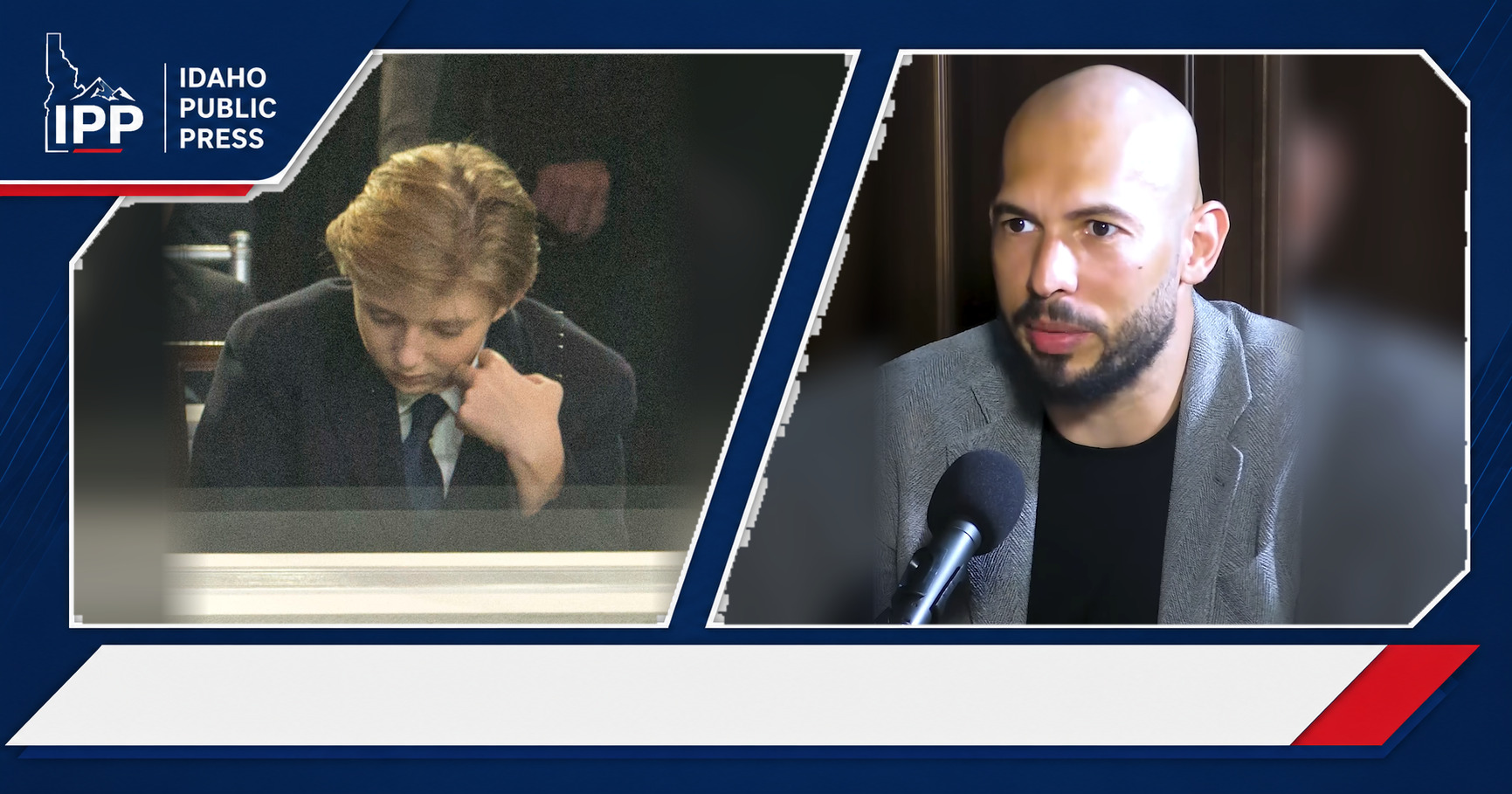
The story is less about a confirmed friendship than about proximity, influence and a criminal case now moving toward extradition. Here is what is known, what is alleged and what remains unproven.
Barron Trump’s reported ties to the Tate brothers are under scrutiny after the brothers’ arrests. Andrew Tate and Tristan Tate were arrested in the U.S. after British authorities authorized 38 new charges, bringing their UK total to 59, the BBC reported. The attention now falls on what, if anything, connected Donald Trump’s youngest son to the controversial influencers.
The key point: the public record points to reported courting of Trump-world figures, not a confirmed close relationship with Barron. That distinction matters because the Tates’ legal troubles are serious, contested and now tied to extradition proceedings.
The reported link, carefully stated
The connection drawing attention is narrower than the online chatter around it. The New York Times reported in December 2025 that Andrew Tate, while barred from leaving Romania, courted powerful figures on the American right, including Barron Trump.
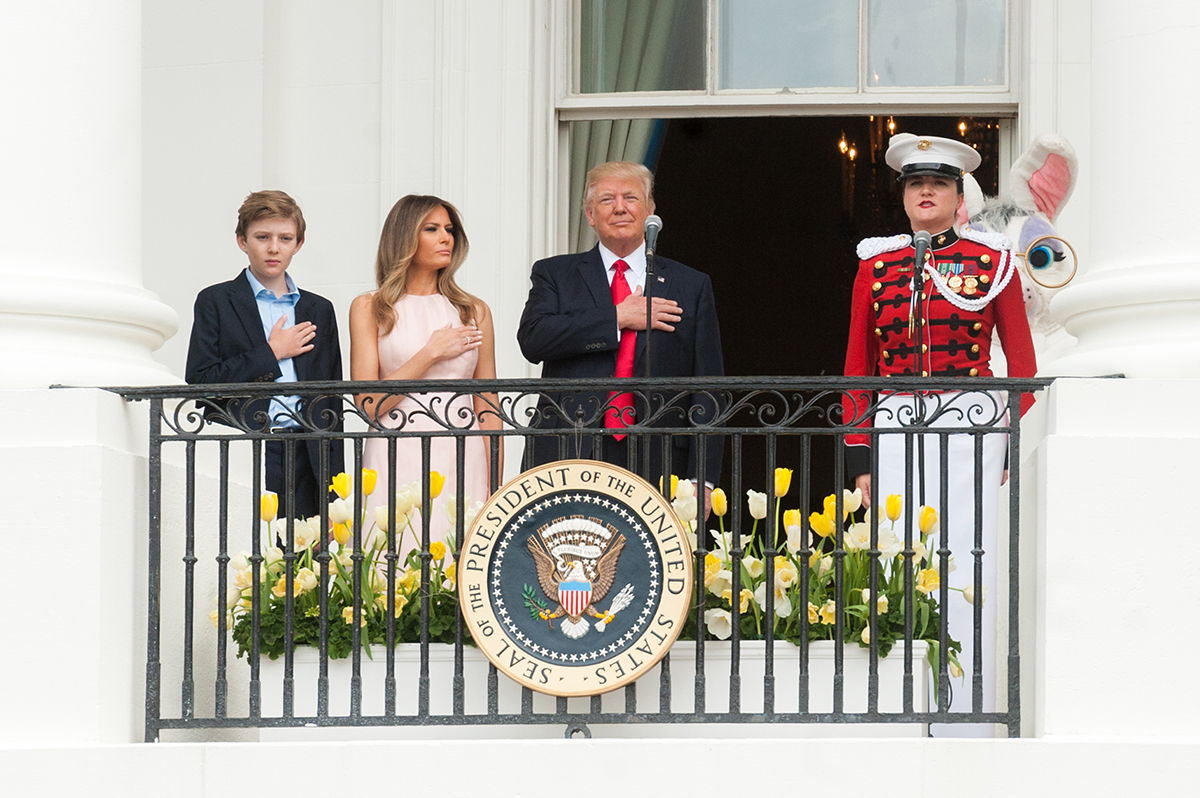
That reporting places Barron inside a broader influence-seeking story, not inside the criminal case. There is no public evidence in the supplied reporting that Barron Trump had any role in the Tate brothers’ legal matters, advocated for them or was involved in decisions about their travel or prosecution.
That distinction is important because the phrase “reported ties” can do a lot of work. It can mean direct contact, social overlap, political outreach or an attempted relationship. Based on the available reporting, the safest description is that Andrew Tate reportedly sought proximity to influential Trump-aligned circles, and Barron’s name has been pulled into that account.
The scrutiny intensified because the Tates are not just controversial internet personalities. They are now defendants facing a growing list of serious allegations in the UK, while also having been based in Romania, where they have faced a separate criminal investigation.
Why the arrests changed the story
The arrests moved the Tate saga from a long-running legal cloud into a fresh procedural moment. The BBC reported that Andrew and Tristan Tate were arrested in the U.S. after British authorities issued 38 new charges against them.
The UK’s Crown Prosecution Service said the new charging decisions followed another file of evidence from Bedfordshire Police. Police said the total number of UK charges against the brothers is now 59.
According to the BBC, U.S. Marshals confirmed the brothers had been taken into custody. A U.S. Department of Justice spokesperson said the arrests were made pursuant to extradition proceedings.
That is why past reporting about their political outreach is being reexamined now. When someone accused of severe crimes has reportedly tried to build relationships with powerful political or cultural figures, questions about access and influence become part of the public conversation, even when no wrongdoing is alleged against the people being courted.
The charges are serious and contested
The UK case, as described by the BBC, includes allegations of rape, sex trafficking and offenses involving indecent images of a child. The alleged offending is said to have taken place between July 2010 and August 2017.
The charges are allegations, not convictions. The Tates have previously denied wrongdoing, and their lawyer has rejected the case in forceful terms.
- Andrew Tate faces a total of 42 UK charges, including seven further counts of rape and charges relating to sex trafficking and indecent images of a child, according to the BBC’s account of the CPS announcement.
- Tristan Tate faces 17 UK charges, including two counts of rape and three counts of arranging or facilitating trafficking for sexual exploitation.
- Seven alleged victims are now involved in the UK case, according to Malcolm McHaffie, head of the CPS Special Crime Division.
Joseph McBride, a lawyer for the Tates, said after the arrests that “the world knows Andrew and Tristan are innocent,” according to the BBC. He described the new UK charges as a political attack and suggested they were tied to a defamation action filed by the brothers in the U.S.
Lawyer Matt Jury, who represents several alleged British victims of Andrew Tate, welcomed the charges and said it was time for the brothers to face justice. Those sharply different responses show how polarized the case remains before any extradition fight or trial resolves the facts in court.
Why Barron’s name is sensitive
Barron Trump is not an elected official and has not held a public policy role. That makes the attention around him different from scrutiny of a cabinet member, campaign adviser or lawmaker.
At the same time, Barron is Donald Trump’s son, and the Trump family name can function as access in political media ecosystems. For critics of the Tates, any reported effort to court Barron or other right-leaning figures fits a familiar pattern: controversial personalities seeking legitimacy by moving close to power.
For defenders, the mention of Barron can look like guilt by association. A reported contact or attempted contact does not establish endorsement, influence or responsibility. It also does not tell the public whether Barron reciprocated, ignored or even meaningfully engaged with any outreach.
That is the tension at the center of the story. The public has a legitimate interest in whether powerful families are being targeted by figures facing criminal allegations. But that interest should not turn an unproven connection into a claim of misconduct.
The broader Tate political play
Andrew Tate built a huge online audience through a mix of wealth displays, combat-sports identity and aggressive commentary on masculinity. He has also become a symbol in the so-called manosphere, where supporters see him as defiant and critics see him as promoting misogyny.
Political proximity has been part of that image. The New York Times framed Tate’s outreach as part of an effort to court figures on the American right while he was restricted in Romania. In that context, Barron Trump’s reported mention matters less as a standalone relationship and more as a signal of the circles Tate was allegedly trying to enter.
Still, influence-seeking is not the same thing as influence. Many public figures, celebrities and political relatives are contacted by people who want access. The unanswered question is whether any reported outreach produced meaningful access, assistance or public support.
That question has not been answered by the available reporting. What has changed is the legal posture around the Tates, which makes earlier claims about their network more newsworthy and more vulnerable to exaggeration.
What happens next
The immediate legal issue is extradition. The CPS said prosecutors will begin legal proceedings to extradite the brothers to the UK. The arrests in the U.S. appear to be part of that process, according to the DOJ statement reported by the BBC.
The brothers’ legal team is expected to fight the case aggressively. Their lawyer has already framed the UK charges as politically motivated, while lawyers for alleged victims have characterized the charges as a step toward accountability.
For the Barron Trump angle, the next meaningful development would be evidence: documented contact, public statements, court filings or reliable reporting that clarifies the nature of the reported connection. Without that, the responsible framing remains limited: Barron’s name has appeared in reporting about Andrew Tate’s attempts to court influential right-wing figures, and the Tates’ arrests have brought new attention to that reported proximity.
The clean takeaway is that two stories are overlapping but not merging. Andrew and Tristan Tate face serious alleged crimes and extradition proceedings. Barron Trump faces scrutiny over a reported connection, but the public record does not show that he is accused of wrongdoing or tied to the charges themselves.



Leave a Reply