
The dispute puts a new edge on the long-running clash between musicians and political messaging. Perry says the song was meant for hope and healing, not footage of destruction.
Katy Perry criticized the White House for using ‘Firework’ in a military strikes video after the administration posted a TikTok on Thursday, July 23, showing U.S. military strikes in Iran. On Saturday, July 25, 2026, Perry said she did not approve the use of her song, was not asked, and did not condone pairing an anthem she described as about hope and healing with destruction and violence.
The flare-up turns a familiar celebrity-politics fight into something sharper: not just campaign walk-on music, but a pop hit synced to wartime imagery and an official government message reading, “Iran has been warned.”
Perry says the song was misused
According to USA Today, Perry condemned the White House’s use of the 2010 single on X, writing that she was “deeply appalled and angry.” She added: “I did not approve this, I was not asked, and I absolutely do not condone it.”
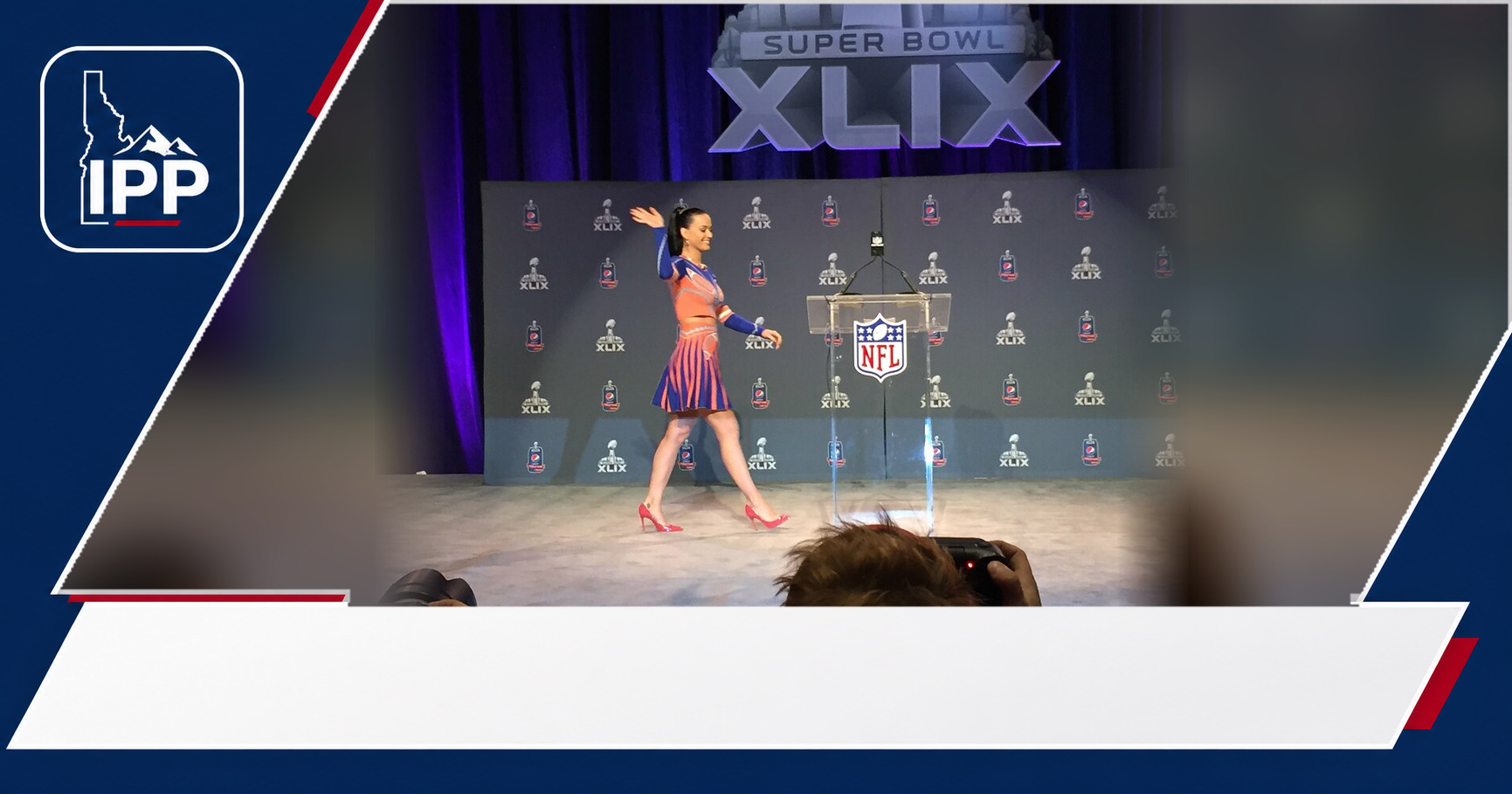
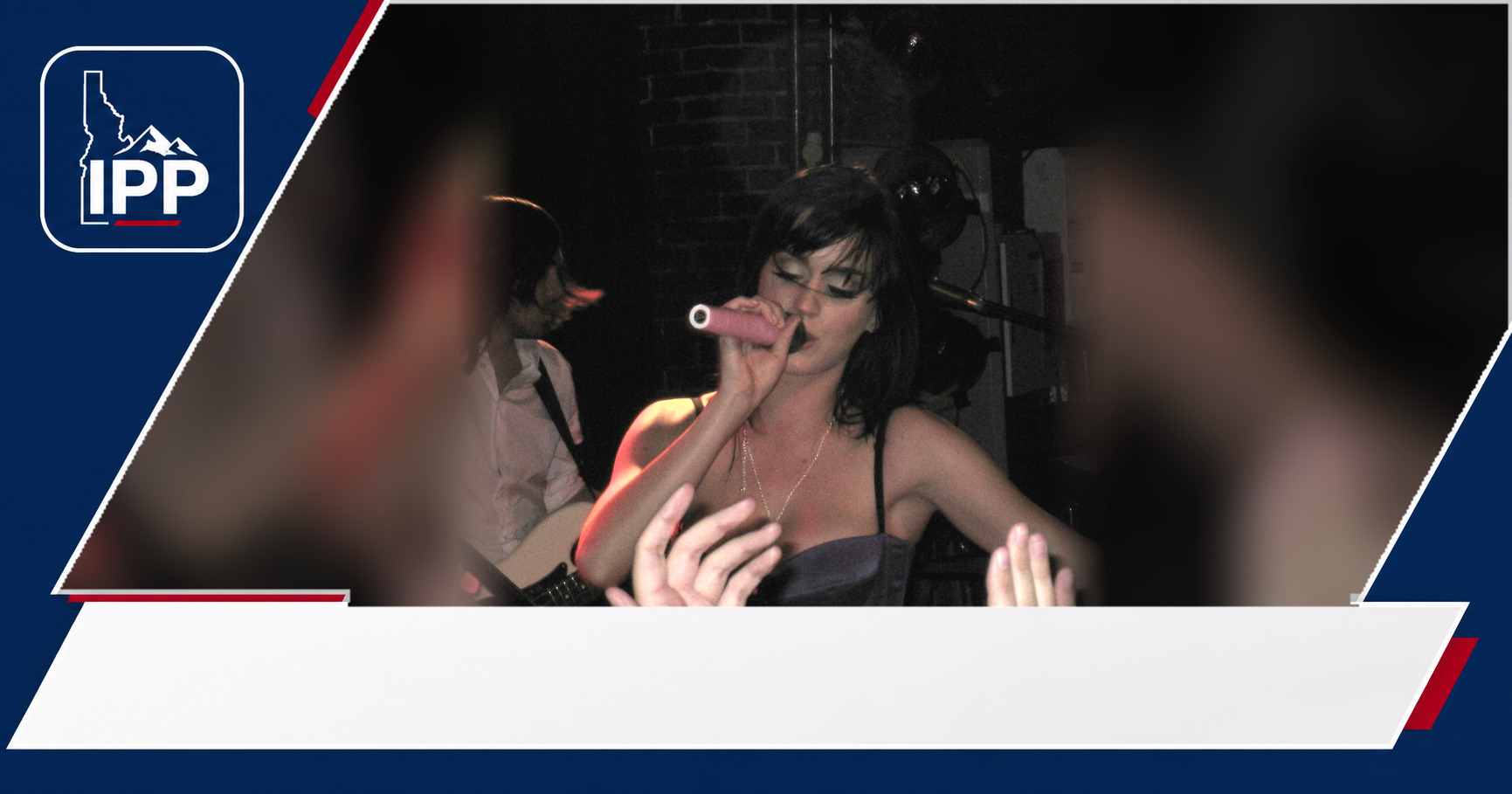
![Katy Perry [Taste of Christmas]](https://idahopublicpress.com/wp-content/uploads/2026/07/trendwire-9vbrk2xa-5cvjc966.jpg)
Perry framed the objection around the meaning of the song, not just the fact that her music appeared in a government video. “I wrote this song to be an anthem of hope, healing, and inner strength for people going through their darkest personal moments,” she wrote, according to USA Today.
Her strongest line was about context: “To see a message of self-worth and upliftment weaponized to soundtrack destruction and violence is a complete violation of everything my song stands for.” She added that her music is for “bringing people together, not celebrating warfare.”
That is the core of the dispute. “Firework” is built around uplift, release and self-belief. The White House video used its most explosive lyric — “boom, boom, boom” — over images of military force.
The TikTok paired pop with bombs
The Washington Post reported that the short video was posted to the White House’s official TikTok account on Thursday and included footage of bombs going off in Iran. The video’s caption said: “Iran has been warned.”
The timing of the edit is what made the clip especially jarring to Perry and many viewers. The explosions in the video were matched to the “boom, boom, boom” lyric in “Firework,” turning a familiar pop hook into a punch line for military action.
That choice is different from the usual fight over a politician playing a song at a rally. This was an official social-media edit, built for viral distribution, where the music was not background atmosphere but part of the message.
USA Today reported that it reached out to the White House for comment. The available reporting also noted a response from Kaelan Dorr, Deputy Assistant to President Donald Trump, who replied to Perry’s post by sharing a clip from her 2012 “Part of Me” video, in which Perry’s character goes through U.S. military boot camp, and wrote, “This you?”
The Iran context raises the stakes
The controversy landed amid an active and politically charged U.S. military campaign against Iran. USA Today reported that U.S. Central Command confirmed another round of strikes on July 23, describing it as the 13th consecutive night of strikes aimed at holding Iran accountable and diminishing threats from the Islamic Revolutionary Guard Corps to commercial shipping.
That backdrop helps explain why Perry’s response was not a routine complaint about branding. A song many listeners associate with resilience and personal survival was being used in connection with real-world military violence.
The political fight around the operation was already heated. USA Today reported that the House voted 214-208 to end the war, while the Senate sided with Trump in a 49-47 vote.
Trump defended the campaign at an Environmental Protection Agency event in Washington, D.C., saying, according to USA Today: “We want to get it over with, and we want to do it right, but we have to … do what we came to do.” He also said, “We can’t let them have what they want, which is nuclear weapons.”
Artists keep objecting to song use
Perry is not the first pop star to object to the White House using music in a political or government message. The pattern has become a recurring collision between artists’ public identities and the online style of modern political communication.
USA Today noted that Ariana Grande objected after a June 9 White House TikTok reportedly used her 2024 song “Bye” in a video depicting federal agents arresting and handcuffing people. Grande reportedly wrote that her music should not be used in relation to “barbaric, inhumane, heinous nonsense.”
The White House responded at the time through spokesperson Abigail Jackson, who told USA Today on June 12: “We’ll say this one last time: what’s actually barbaric, inhumane, and heinous are the criminal illegal aliens who have injured and murdered innocent American citizens.”
Other artists have also pushed back against political use of their music, including Kesha, Olivia Rodrigo and Sabrina Carpenter, according to USA Today. Nancy Sinatra objected after Trump posted a Truth Social video using Frank Sinatra’s “My Way,” writing on X that it was “a sacrilege.”
Approval is not always simple
There is a practical complication behind these disputes: a song can be available in a platform’s music system or licensed for certain types of use without the artist personally approving a specific political message. That distinction matters, because public outrage often centers on consent in a broader cultural sense, while legal permission can involve labels, publishers, platforms and license terms.
Perry’s statement did not lay out a legal claim. It focused on approval, artistic meaning and moral objection. She said she was not asked and did not condone the use, which is a direct challenge to the message the White House created around her work.
For artists, the concern is reputational as much as legal. A song can be folded into a message that millions of people see before the artist has any chance to object. In the social-video era, that edit can become the dominant context for a song overnight.
For government officials and political communicators, popular music offers instant recognition and emotional force. That is exactly why artists object when they believe a song’s message has been flipped into something they would never endorse.
What remains unresolved
The immediate question is whether the White House will remove the video, change the audio or offer a fuller explanation of how the song was selected. The reporting available so far does not establish whether Perry’s team is pursuing any formal action beyond the public condemnation.
The larger question is harder: who controls the meaning of a song once it becomes part of the culture? Perry wrote “Firework” as an empowerment anthem. The White House used it as a soundtrack to military strikes. Those two meanings cannot comfortably share the same frame.
That is why this story has traveled beyond a celebrity complaint. It is about the speed with which official accounts now borrow the language of entertainment, and the backlash that follows when artists say their work has been turned against its own intent.
Perry’s message was blunt: she did not approve the use, she was not asked, and she does not want “Firework” used to celebrate warfare. Whether that changes the White House’s approach is still unclear, but the dispute has already drawn a bright line between viral political editing and an artist’s claim over what her music stands for.




Leave a Reply