

The case puts one of Hawaii’s top elected officials under criminal charge and raises immediate questions about resignation, succession and public trust.
Hawaii Lt. Gov. Sylvia Luke was indicted on bribery charges on Friday, July 24, 2026, after an Oʻahu grand jury returned a 12-count indictment, the state’s Department of the Attorney General announced. The charges included conspiracy to commit bribery and falsifying campaign committee reports, placing one of Hawaii’s highest-ranking Democrats at the center of a corruption case tied to campaign money, lobbying and a Covid-19 testing contract.
The indictment does not mean Luke has been convicted of wrongdoing. But it immediately raises questions about whether she can remain in office, how Gov. Josh Green will handle the fallout and whether the case will deepen public skepticism about Hawaii’s political establishment.
A sitting official under charge
Luke, a Democrat and Hawaii’s lieutenant governor, was formally charged as part of a corruption investigation led by the state attorney general’s office. According to reporting from Politico, state Attorney General Anne Lopez said investigators were committed to following the facts wherever they led.
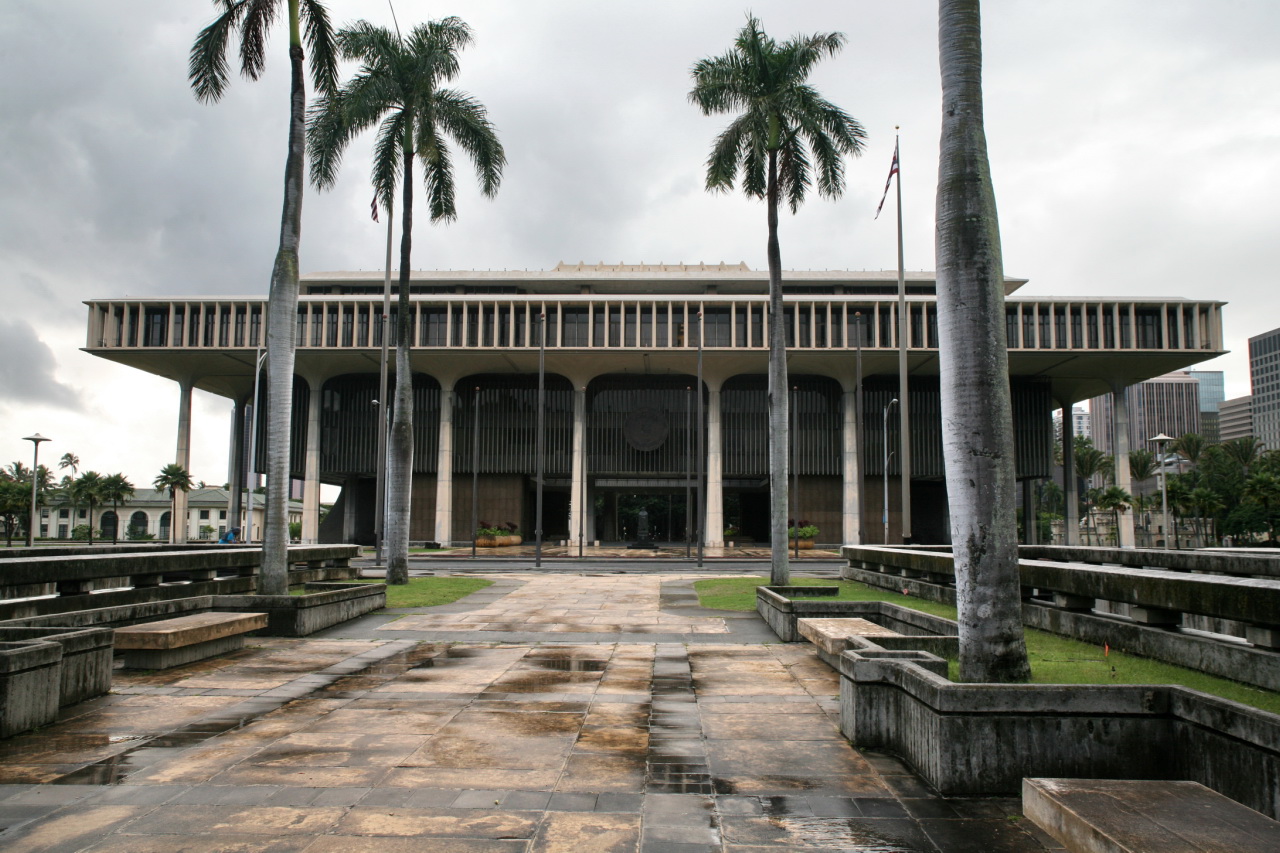
The 12-count indictment charges Luke with criminal conspiracy to commit bribery, bribery and falsifying campaign committee reports. Those are serious allegations because they point not only to possible personal misconduct, but also to the integrity of campaign finance disclosures and government contracting.
Prosecutors allege the case is connected to campaign contributions from businessperson and lobbyist Tobi Solidum. The alleged exchange, according to the reported indictment details, involved Luke helping advance a Covid-19 testing contract while she served as chair of the Hawaii House Finance Committee in 2022.
That timing matters. The pandemic era sent large sums of public money through state systems quickly, often under intense pressure. Cases involving emergency contracts can become politically volatile because they sit at the intersection of public health, procurement and campaign influence.
The alleged contract connection
The state’s case appears to focus on whether campaign contributions were linked to official action. In plain terms, prosecutors are alleging a pay-to-play arrangement: money or political support on one side, government assistance on the other.
Luke has not been found guilty, and the public record available so far leaves major gaps. It is not yet clear how prosecutors plan to prove intent, what communications they will present or how directly they will tie any contribution to a specific action involving the testing contract.
Those questions will likely matter more than the political labels attached to the case. Bribery prosecutions usually turn on evidence of an agreement, not merely the fact that a donor had business before the government or that an elected official supported a policy or contract.
The falsifying campaign committee reports charge adds another layer. Campaign filings are supposed to give voters, regulators and journalists a way to trace money in politics. If prosecutors can show those reports were knowingly false, the case could expand beyond one alleged contract dispute into a broader argument about concealment.
Pressure from the governor
Gov. Josh Green has already signaled that he believes Luke should step aside. In a statement reported by Politico, Green said the lieutenant governor needed to consider formally resigning so the state could move forward.
That is a striking position from a governor toward his own deputy. Lieutenant governors are not symbolic figures in state government; they are next in line and can become central during emergencies, absences or transitions.
Luke had already taken a leave of absence in April after the campaign finance investigation became public. She also ended her reelection campaign at that time, a move that suggested the investigation had already disrupted her political future before the grand jury acted.
Keith Regan was named acting lieutenant governor during Luke’s leave, according to the governor’s office announcement cited in earlier coverage. Still, an indictment changes the political calculus. A leave can be framed as temporary caution; criminal charges force a sharper discussion about legitimacy and continuity.
Why Luke’s role matters
Luke is not a minor figure in Hawaii politics. Her official biography describes her as the state’s 16th lieutenant governor, the third woman to hold the office and one of the highest-ranking Korean American officials in a statewide U.S. position.
Before becoming lieutenant governor, she had long experience in the state Legislature and served as chair of the House Finance Committee, one of the most powerful posts in state government. That committee role is central to the allegations because it would have put her near decisions about money, budgets and public programs.
For supporters, Luke’s biography has often been part of her appeal: an immigrant from Seoul who moved to Honolulu as a child, attended public school, graduated from the University of Hawaii at Mānoa and later earned a law degree. That history made her a visible figure in Hawaii’s Asian American and immigrant communities.
For critics, the indictment will feed a different narrative: that long tenure and close relationships in a small political system can blur lines between access and influence. Hawaii’s political culture is built heavily on personal networks, which can make trust valuable but also make conflict-of-interest concerns harder to untangle.
Five people were indicted
Luke was one of five people indicted Friday in the case, according to the reported details. The group included former state Rep. Ryan Yamane, also a Democrat.
The fact that multiple people were charged suggests prosecutors view the alleged conduct as part of a broader scheme rather than a single isolated transaction. Still, the public should be careful not to treat all defendants as interchangeable. Different defendants may face different evidence, legal exposure and defenses.
The state attorney general’s office has framed the matter as a corruption investigation. That word carries political force, but the courtroom will require specifics: documents, witnesses, timelines, campaign filings and proof beyond a reasonable doubt.
Luke’s office did not immediately respond to a request for comment in the initial reporting, and she did not appear to have entered a plea as of Saturday evening. Until she does, her legal strategy remains unknown.
What remains unresolved
The next steps will determine whether this becomes a fast-moving resignation story, a long legal fight or both. An arraignment would clarify Luke’s plea, conditions of release and early scheduling in the criminal case.
Politically, the most immediate unresolved question is whether Luke formally resigns. Green’s statement puts pressure on her, but an indictment alone does not automatically equal guilt. Public officials sometimes refuse to resign until conviction; others leave to avoid distracting the government.
There are also institutional questions for Hawaii. If the state’s second-highest elected official is accused of using a powerful legislative role to benefit a donor, voters may demand stronger procurement rules, tighter campaign finance enforcement or clearer disclosure requirements for lobbyists and contractors.
The cleanest takeaway for now is narrow but important: Hawaii’s lieutenant governor has been formally charged in a 12-count bribery case, the allegations are severe, and the legal process is just beginning. The political damage, though, has already arrived.








Leave a Reply