
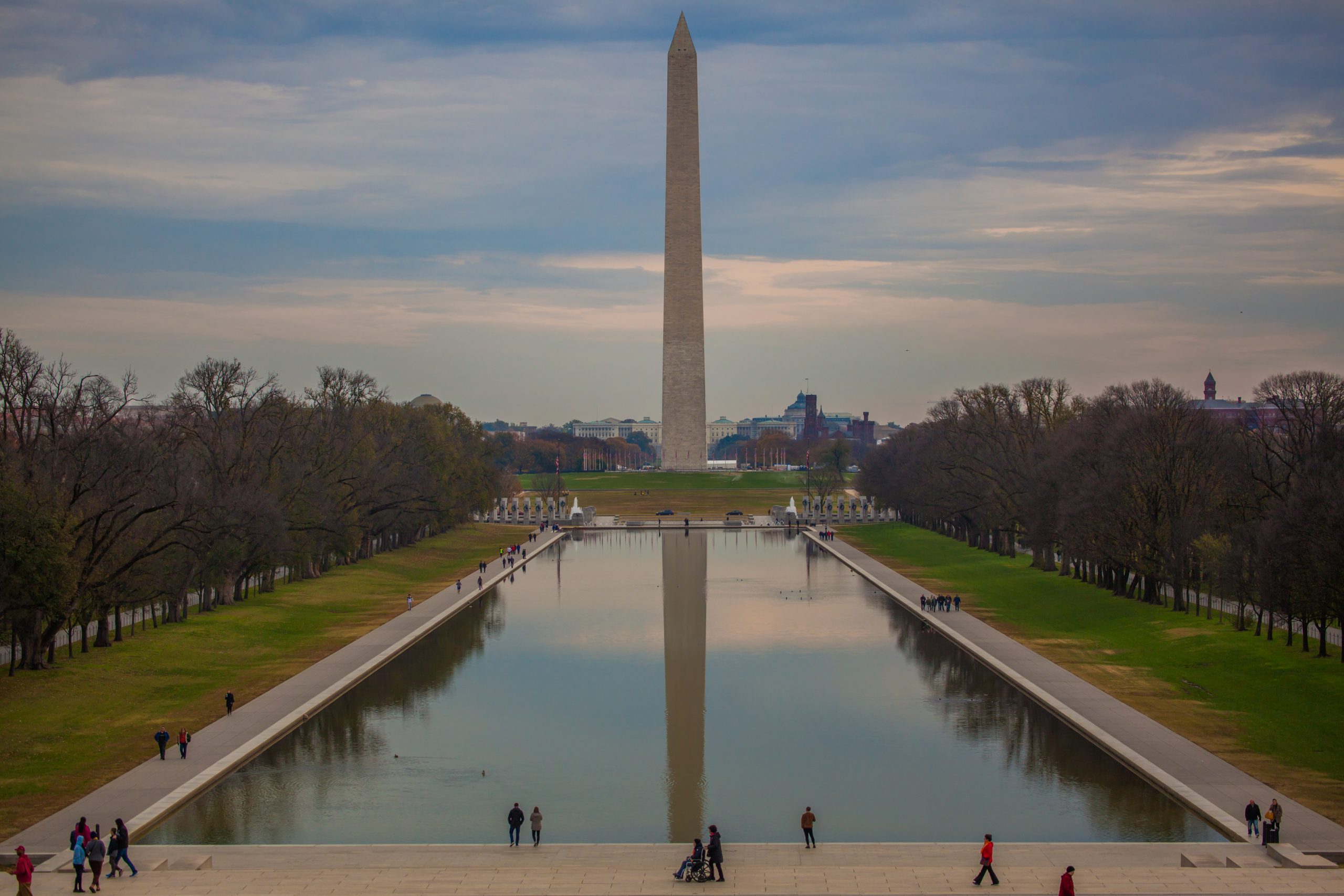
The dispute shows how quickly a public-property repair can become a courtroom problem. If the government fixes alleged damage too soon, defendants may argue they were denied a fair chance to examine the evidence.
A judge warns that a Trump DOJ plan to fix the Reflecting Pool could undermine its own prosecution in Washington, D.C., turning a repair job on the National Mall into a legal conflict over the Reflecting Pool repair effort. The warning matters because prosecutors may need the damaged site as evidence, not just scenery.
The core issue is prejudice: if federal agencies alter or repair the pool before defendants can examine alleged damage, defense lawyers could argue the government changed key evidence while still seeking punishment. That is how a Trump DOJ Reflecting Pool fix meant to restore a landmark could complicate, or even weaken, the prosecution.
Repair work becomes evidence
The Reflecting Pool is not an ordinary piece of public property. It is one of the most visible spaces in Washington, D.C., and damage there can quickly become a political symbol as well as a maintenance problem.
But in a criminal case, the government’s duty is not only to restore property. It must also preserve evidence, especially when the condition of that property could help prove or disprove the charges.
That is why the judge’s warning cuts against the usual instinct after vandalism or damage: clean it up, fix it fast, move on. In court, a fast fix can create a new question. Did the government give the defense a fair chance to inspect what prosecutors say happened?
If not, the prosecution can face arguments over lost evidence, incomplete documentation or unfair prejudice. Those arguments do not automatically sink a case, but they can force hearings, limit evidence or give defense lawyers a sharper line of attack.
Why prejudice matters here
Prejudice in this context does not mean political bias. It means harm to a defendant’s ability to receive a fair trial or challenge the government’s proof.
If prosecutors allege that the Reflecting Pool was damaged, the condition of the pool may matter. The severity of the alleged damage, the cost or difficulty of repair, and whether the condition was temporary or lasting could all become points of dispute.
Defense experts may want to look at the site, take measurements, review residue or stains, compare before-and-after documentation, or test whether the government’s description matches the physical evidence. If the site is repaired first, those opportunities may narrow.
Courts usually do not require public property to sit untouched forever. But judges can demand a careful process: photographs, samples, expert access, written repair plans, notice to the defense, or an order preserving key evidence before work begins.
Trump’s remarks raised stakes
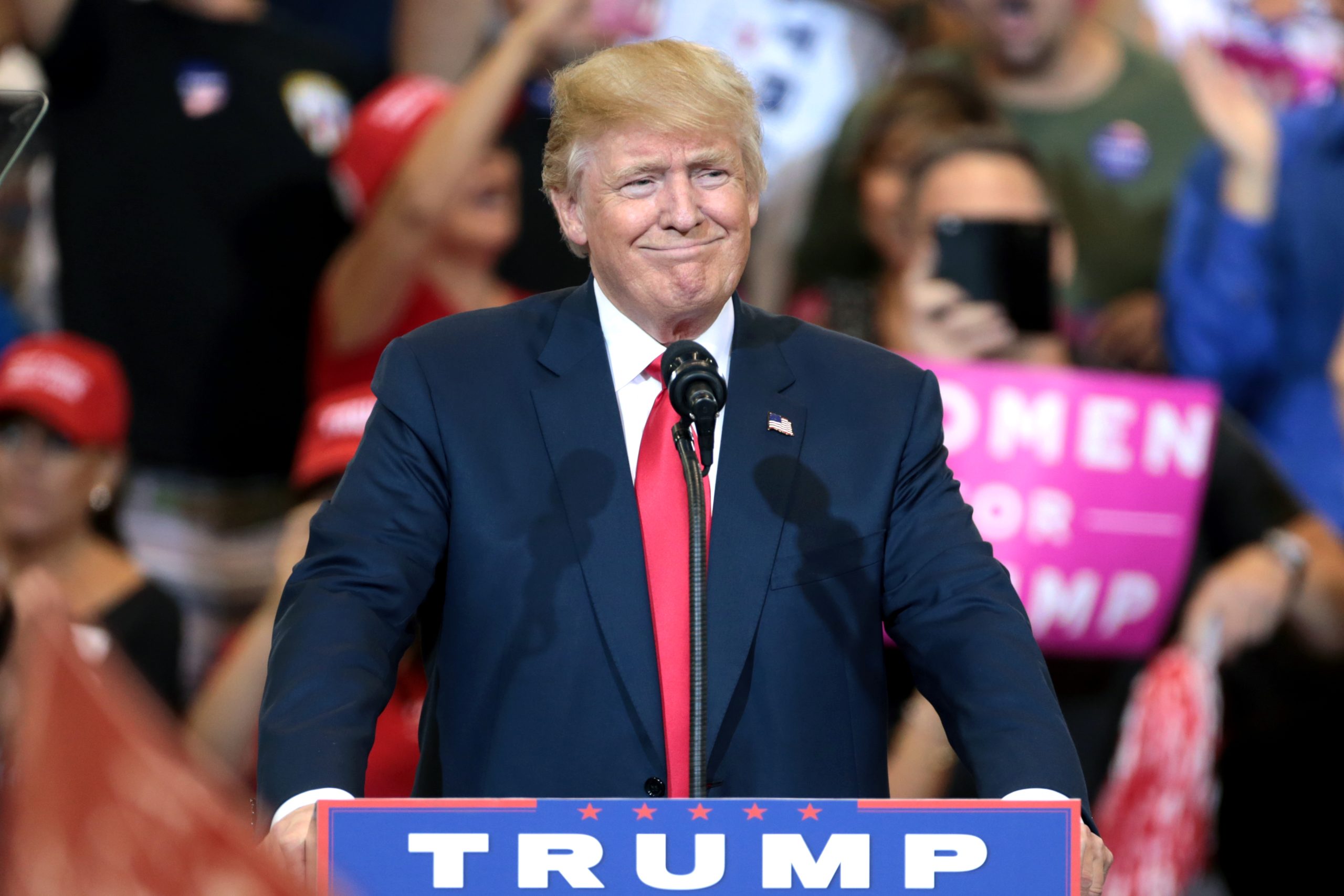
The legal fight is unfolding against a charged political backdrop. CNN reported on June 22, 2026, that President Donald Trump threatened serious criminal charges and lengthy prison sentences for people accused of vandalizing the Reflecting Pool on the National Mall.
That matters because public statements from political leaders can shape the atmosphere around a prosecution. They can also give defense lawyers arguments that the case is being driven by pressure, publicity or punishment rather than ordinary prosecutorial judgment.
The judge’s warning about the repair plan is separate from Trump’s public comments, but the two issues point toward the same courtroom concern: whether the government’s actions outside the formal evidence record could make the prosecution harder to defend inside court.
For DOJ, the optics are tricky. Leaving a major landmark unrepaired could look like neglect. Repairing it without a preservation plan could look like the government prioritized messaging and cleanup over evidence integrity.
A familiar warning to officials
This is not the first time a judge has warned Trump administration officials that their actions or statements could threaten a prosecution. The Associated Press reported in October 2025 that U.S. District Judge Waverly Crenshaw in Tennessee warned of possible sanctions over inflammatory public statements about Kilmar Abrego Garcia, who faced human smuggling charges and had pleaded not guilty.
In that separate case, AP reported, Crenshaw ordered prosecutors to circulate his opinion to Justice Department and Homeland Security employees, including Attorney General Pam Bondi and DHS Secretary Kristi Noem. The judge wrote that government employees had made troubling extrajudicial statements, some exaggerated or inaccurate, and warned against comments that could materially prejudice the prosecution.
The Reflecting Pool dispute is different because it centers on physical evidence, not public commentary. Still, both episodes show a broader judicial concern: the government can damage its own criminal case when officials treat prosecution as a public campaign before the courtroom process is protected.
Judges tend to guard two things closely in criminal cases: the defendant’s right to a fair trial and the integrity of the evidence. When either appears at risk, even a politically popular law-and-order message can become a liability.
What DOJ may argue
The Justice Department may have practical reasons for wanting repair work to proceed. The Reflecting Pool is public property, part of a heavily visited national site, and officials have a responsibility to maintain it.
Government lawyers could argue that the alleged damage has already been documented, that repairs are necessary, or that delays would create additional public cost. They might also propose controlled documentation before repairs begin, allowing the case and the maintenance work to move forward together.
That kind of compromise is common in evidence disputes. A court can permit repairs while requiring notice to the defense, high-resolution photographs, expert inspections, cost records and preservation of any physical material that might matter later.
The risk for prosecutors is overconfidence. If the government assumes the repair is routine and moves too quickly, it may hand defendants an avoidable argument: that the state changed the central evidence before the accused could test it.
What remains unclear
Several important details remain unclear from the available public reporting. The judge’s precise order, the timing of the proposed repair, the charges at issue, and the defense position will determine how serious the risk is.
It also remains unclear whether the alleged damage is central to the prosecution or only part of the narrative. If prosecutors must prove a specific repair cost, lasting harm or a particular condition of the pool, preservation becomes more important. If the case depends mainly on video, admissions or witness testimony, the repair fight may be easier to manage.
The judge’s warning does not mean the prosecution is doomed. It means the court is telling DOJ to slow down enough to protect the case it brought.
That is the takeaway from the Reflecting Pool fight: in a high-profile Washington prosecution, the government cannot treat evidence like a public-relations inconvenience. The repair may be necessary. But if it is handled carelessly, the fix could become the defense’s best exhibit.





Leave a Reply