
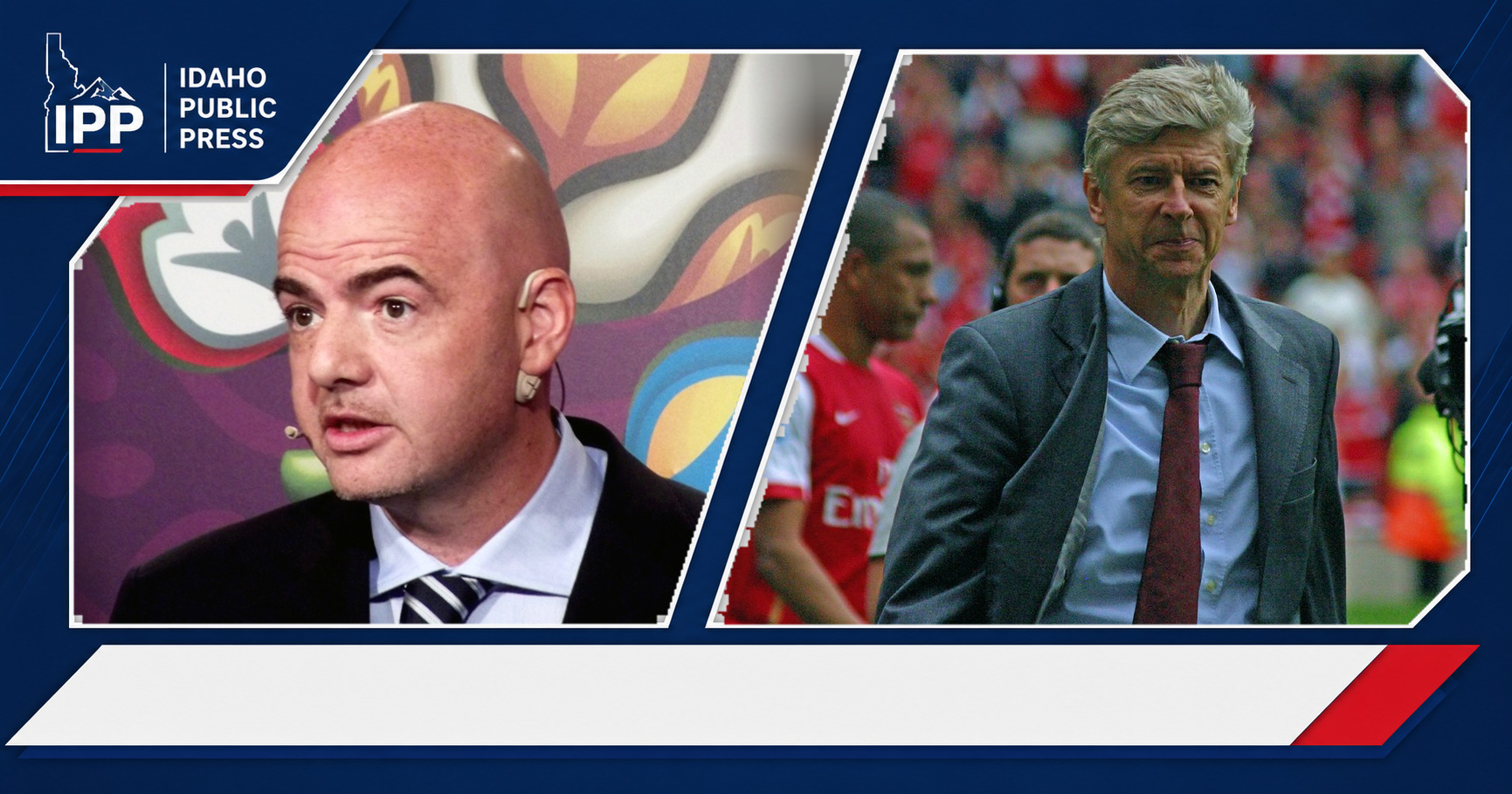
The revolt is notable because it is coming from inside FIFA, not from its usual critics. A collapsed investment pitch has become a test of Infantino’s authority and FIFA’s independence.
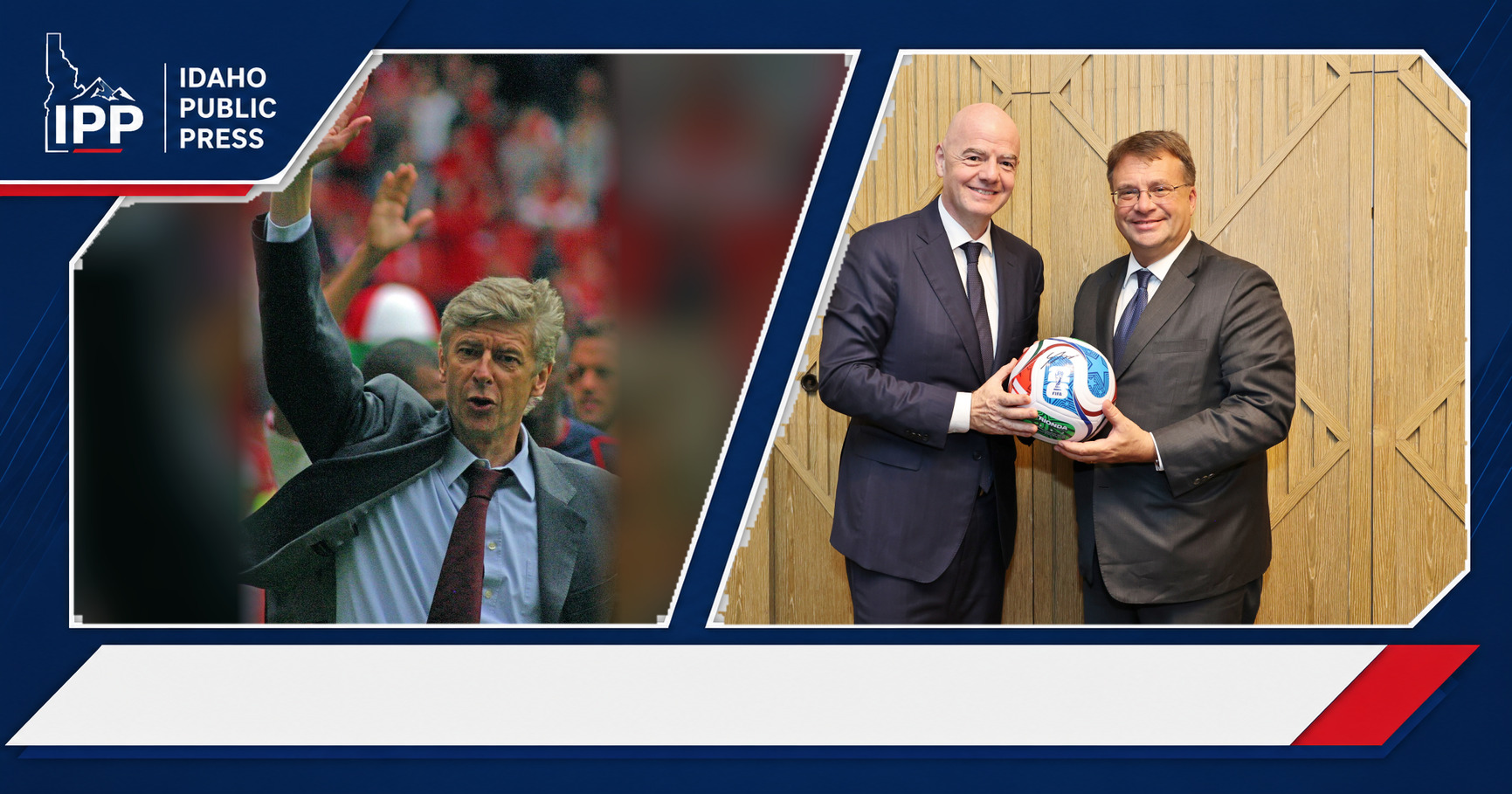
Gianni Infantino is facing mounting internal opposition at FIFA after Arsène Wenger and another senior FIFA ally, Mattias Grafström, criticized or distanced themselves from Infantino on Tuesday over Infantino’s failed World Cup investment plan. The $20 billion proposal to sell stakes in future World Cup profits to private investors has been withdrawn, but the backlash matters because Wenger and Grafström are not outside critics; they are senior figures inside FIFA whose break from the president suggests his problems mount where he once seemed most secure.
According to The Associated Press, Wenger said he knew nothing of the plan before media reports, while Grafström described the episode to FIFA staff as a sad and reproachable series of events. Neither directly named Infantino or offered him public support. In practical terms, this is what a FIFA ally turn looks like: the president’s own administration is trying to draw a line between FIFA’s work and his abandoned proposal.
The split is now internal
Wenger is not just a famous former Arsenal manager with an opinion. He has worked inside FIFA since 2019 as Chief of Global Football Development, a role that made him part of Infantino’s broader project to reshape how the global game is run.
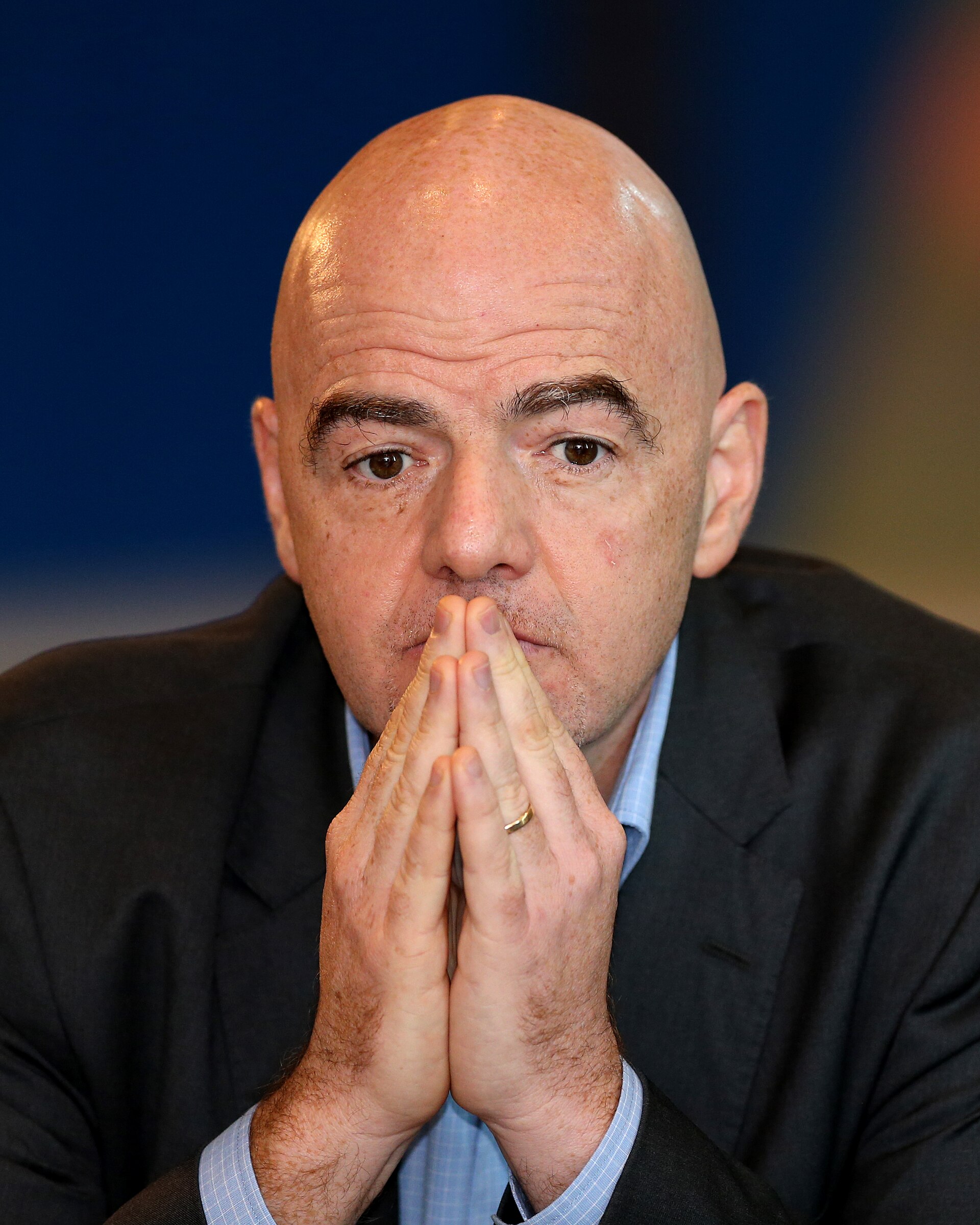
His statement, as reported by the AP, was pointed because it rejected both the process and the premise. Wenger said he was not involved in the strategic plan and first became aware of it through media coverage. He also said dropping the proposal was absolutely necessary because he believes in an independent FIFA that serves football with transparency and integrity.
Grafström’s intervention may be even more sensitive. As FIFA’s secretary general, often described as a CEO-like figure, he is central to the administration and has long been viewed as a loyal Infantino aide dating back to their time at UEFA.
In an email to FIFA staff seen by the AP, Grafström said the past week had created turmoil that was difficult to comprehend and accept. He told staff they would be defended and safeguarded from the political context surrounding the organization.
What Infantino wanted to sell
The plan at the center of the backlash would have created a new subsidiary called FIFA Forward Enterprise, or FFE, to handle FIFA’s most lucrative commercial operations. Those would have included major tournaments such as the World Cup, along with broadcast rights, sponsorship, ticketing and hospitality.
The proposal was built around selling about a 20% stake in FFE to private investors. The AP reported that the plan sought to raise $4.2 billion based on a $20 billion equity valuation.
The proposed anchor investor was Thrive Eternal, launched by Joshua Kushner. That detail added political and reputational heat because Kushner is the brother of Jared Kushner, who is a son-in-law of U.S. President Donald Trump.
For FIFA’s 211 member federations, the pitch also came with direct financial incentives. They were offered $20 million each, with a Sept. 19 deadline to accept, and were promised that FIFA funding for the four years through 2030 would double to $20 million from a previously announced $10 million.
Why the backlash escalated
The core objection is not simply that FIFA explored outside investment. It is that critics inside and around football saw the proposal as a threat to FIFA’s independence and nonprofit character.
FIFA is structured as a nonprofit association under Swiss law, with its 211 member federations effectively serving as its owners. Selling stakes in future World Cup-related profits to private investors would have raised hard questions about who really benefits from the game’s biggest commercial machine.
The opposition was not limited to Wenger and Grafström. FIFA chief operating officer Kevin Lamour had already criticized the project, saying staff had been deceived by Infantino’s private equity plan, according to the AP. Lamour called it the project of one person and said FIFA employees deserved better than contempt and intimidation.
UEFA also raised the stakes. The European governing body warned of a boycott of FIFA games and events, according to the AP, before the proposal was withdrawn early Saturday. UEFA lawyers also named Wenger, Grafström and Lamour among 18 executives whose data and communications should be preserved as potential evidence.
A triumph quickly turned tense
The timing makes the rupture more striking. The dispute erupted soon after the World Cup in the United States, Canada and Mexico, which expanded to 48 teams and delivered major financial results for FIFA.
The AP reported that the tournament helped drive FIFA revenue to $15 billion for the 2023-26 commercial cycle, almost double the income tied to the 2022 World Cup in Qatar. By that measure, Infantino appeared to be coming off a position of strength.
Grafström even urged staff not to let the FFE episode overshadow what FIFA had achieved with the expanded tournament. His email tried to separate pride in the World Cup from dismay over the investment proposal.
That is the tension now facing FIFA: the organization can point to a commercial success, but senior insiders are questioning the governance choices that followed it. A profitable World Cup does not automatically settle a fight over control, transparency and trust.
Why this pressures Infantino
Infantino has survived controversy before, in part because he has maintained strong support among FIFA’s member federations. The difference this time is that respected figures inside the house are publicly distancing themselves from a plan tied to his leadership.
Wenger, Grafström and Lamour are not marginal voices. The AP described them as trusted figures among the 211 FIFA member federations, the same federations whose backing ultimately determines how secure any FIFA president really is.
There is also a credibility problem. If senior executives say they were not involved, were blindsided or felt staff had been deceived, member federations may ask who reviewed the plan, who authorized the pitch and how far discussions with investors had advanced before the backlash.
Infantino has not publicly addressed the wider schism beyond the FIFA statement announcing the proposal had been dropped, according to the AP. His official Instagram account has posted letters of support, but that is not the same as answering the governance questions now being raised from within FIFA.
The unanswered question
The immediate proposal is dead. The political question is not.
What remains unclear is whether the withdrawal of FFE ends the dispute or starts a deeper review of how FIFA makes major commercial decisions. UEFA’s legal pressure, staff anger and the public distancing by Wenger and Grafström all point to a fight that may continue behind closed doors.
Infantino’s position is not determined by a single bad week. It depends on whether the member federations conclude that the plan was an abandoned mistake, a misunderstood growth strategy or evidence of a leadership problem.
For now, the most damaging development is the simplest one: FIFA’s president is no longer only answering critics outside the organization. Some of the people closest to the machinery of FIFA are making clear that this plan was not theirs.


Leave a Reply