

A quick correction prevented an obvious count error from ending Trent Grisham’s at-bat prematurely. The moment also put a familiar baseball debate about umpire accountability and automated-ball-strike challenges back in view.
Hunter Wendelstedt made an embarrassing umpiring mistake Sunday during the game between the New York Yankees and Toronto Blue Jays in Toronto, incorrectly calling Trent Grisham out on strike two. In the top of the first inning, with Grisham facing Dylan Cease in a 1-1 count, Wendelstedt quickly realized he had ended the at-bat one strike early and corrected the count.
The mistake did not ultimately change Grisham’s result—he later struck out swinging—but it offered a stark, replay-friendly reminder of how much a home-plate umpire must track on every pitch, beyond simply judging the strike zone.
A strikeout before strike three
The sequence was simple enough to make the error stand out. Grisham was at the plate for the Yankees with one ball and one strike when Cease threw a curveball.
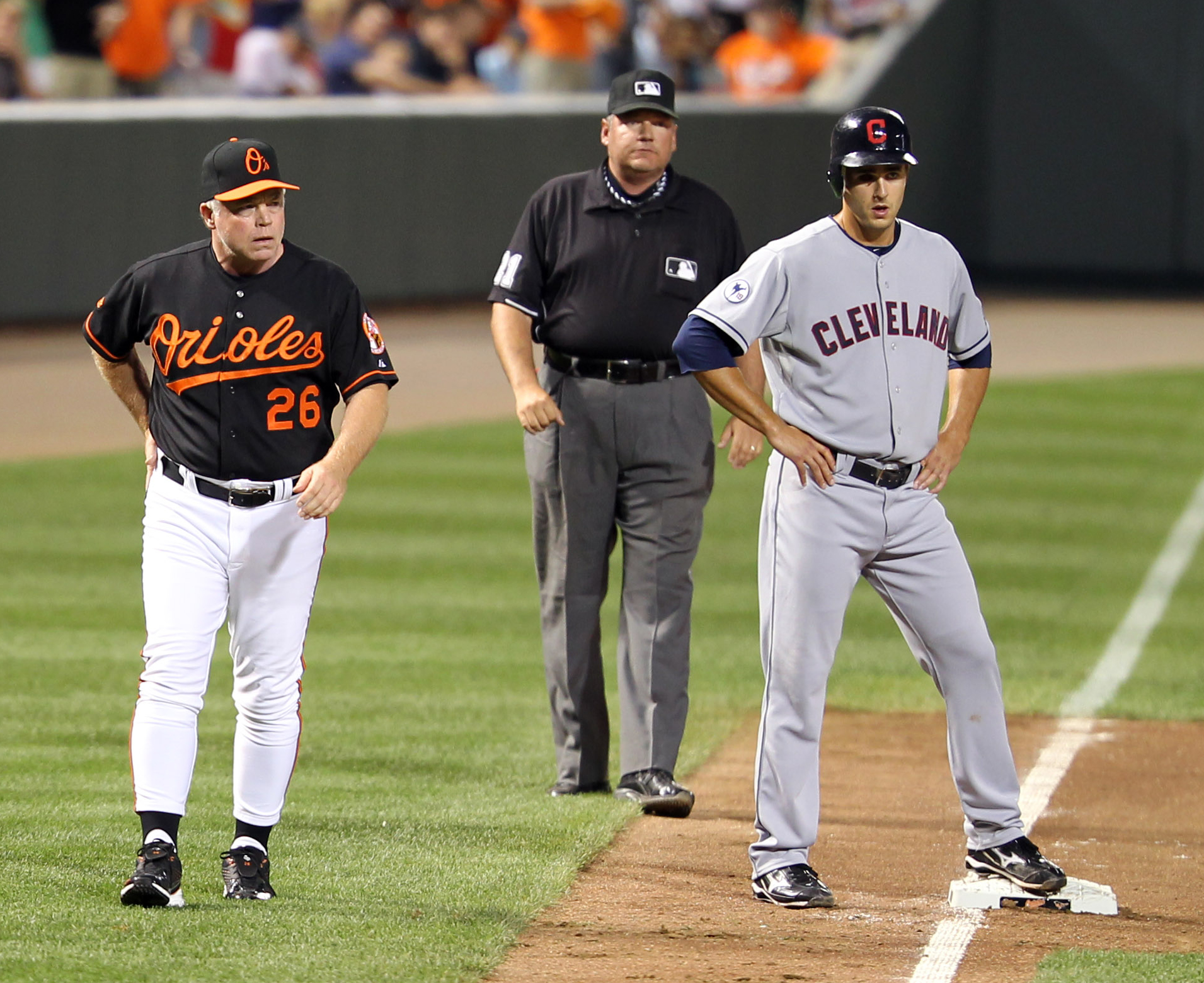
Wendelstedt emphatically signaled a strikeout, even though the pitch was only the second strike of the plate appearance. Grisham appeared confused, as any hitter would be after seeing an at-bat apparently end before a third strike had been called.
The call was corrected almost immediately. That speed matters: a delayed correction could have created greater confusion for Grisham, Cease, the Blue Jays’ defense and both dugouts, particularly if the inning had moved forward.
According to Larry Brown Sports’ report on the play, Grisham remained in the box after the count was restored and later struck out swinging. The correction therefore preserved the proper process, even if the at-bat’s final outcome was unchanged.
Why the count matters as much
Fans tend to focus on whether a pitch was inside or outside the strike zone. But the count is the framework for every decision that follows. A 1-1 count, a 1-2 count and a completed strikeout are not small variations; they create entirely different situations for the batter and pitcher.
Getting that count right affects pitch selection, defensive readiness and a hitter’s approach. A batter who knows he has two strikes may protect the plate differently. A pitcher with a hitter supposedly retired may begin preparing for the next batter. The fielders may relax for a moment because they believe an out has been recorded.
That is why a missed count can look more jarring than a close ball-strike decision. There is no subjective zone judgment involved in recognizing that a third strike has not occurred. It is a basic but essential piece of game administration.
The report added another uncomfortable wrinkle: the curveball that prompted the premature punch-out was not believed to be a strike. Grisham had already used and lost one challenge during the plate appearance, according to the report, and did not pursue another one.
A correction prevented a bigger problem
Wendelstedt’s error was conspicuous, but the immediate reversal is the part that kept it from becoming a major competitive incident. Baseball is full of calls that cannot be cleanly undone once the next pitch is thrown, a runner advances or a play develops around an incorrect ruling.
Here, the umpire recognized the problem before the game had meaningfully moved on. Grisham got to continue the plate appearance under the correct count, and the Blue Jays were not left defending a result that had been incorrectly recorded.
That does not make the original signal insignificant. For a veteran umpire, losing the count is an embarrassing public mistake, especially when video clips allow viewers to replay the reaction instantly. Still, acknowledging an error in real time is preferable to protecting a clearly wrong ruling.
There are two reasonable views of the episode. One is that professional umpires should not make a count error of this kind, particularly at the major-league level. The other is that the correction showed the system working at its most basic level: the official recognized the mistake and fixed it before it altered the game.
Wendelstedt’s experience adds context
Wendelstedt has been an MLB umpire since 1998, according to the report. That long tenure makes the moment less a question of inexperience than of the split-second concentration required during a game.
Home-plate umpires are managing several streams of information at once. They must track balls and strikes, watch the catcher and hitter, monitor potential foul tips or swings, communicate with the field and maintain control of the pace of play. None of that excuses a missed count, but it explains why the job is more demanding than a television angle can make it appear.
The incident also comes with a bit of history for Yankees observers. Larry Brown Sports noted Wendelstedt had previously drawn attention involving Yankees manager Aaron Boone, though that separate episode does not explain or affect the Grisham call.
What is clear from Sunday’s sequence is narrower: an experienced umpire lost track of the count for one pitch, then corrected himself. There is no indication in the supplied reporting that the mistake led to a formal protest, discipline or any change in the game’s result.
The larger officiating debate remains
Baseball’s ongoing use of pitch challenges gives players a way to contest certain ball-strike calls, but a challenge system does not eliminate every type of officiating mistake. A miscount is fundamentally different from a disputed edge-of-the-zone ruling.
For supporters of more automated strike-zone technology, the clip is likely to serve as another example of why the sport should reduce dependence on human judgment wherever possible. Their argument is not only about missed pitches; it is about creating clearer safeguards when the game’s most routine information is mishandled.
Others will see the fast correction as evidence that human officiating still has an important ability to self-correct in context. Technology can verify a pitch location, but it does not replace the broader responsibility of running an inning, handling players and recognizing when an administrative error has occurred.
The unanswered question is whether baseball has enough visible procedures for correcting a mistake like this if it is not caught instantly. In this case, Wendelstedt noticed quickly, Grisham stayed in the at-bat and the game continued. That limited outcome is why the play is best understood as an embarrassing lapse rather than a lasting controversy.
A small error with a clear lesson
Grisham’s eventual swinging strikeout means the box score will not preserve the full oddity of the moment. The video will: an umpire signaling the end of an at-bat, then realizing that strike two is not strike three.
For the Yankees and Blue Jays, the episode was resolved on the field. For viewers, it was a reminder that accuracy in baseball is not only about the hardest calls. Sometimes the most revealing mistake is the one everyone can count.








Leave a Reply