
The remarks put a key Gulf mediator and one of the world’s most important shipping chokepoints at the center of escalating rhetoric. What remains unclear is whether the threat signals a policy shift or a pressure tactic around negotiations.
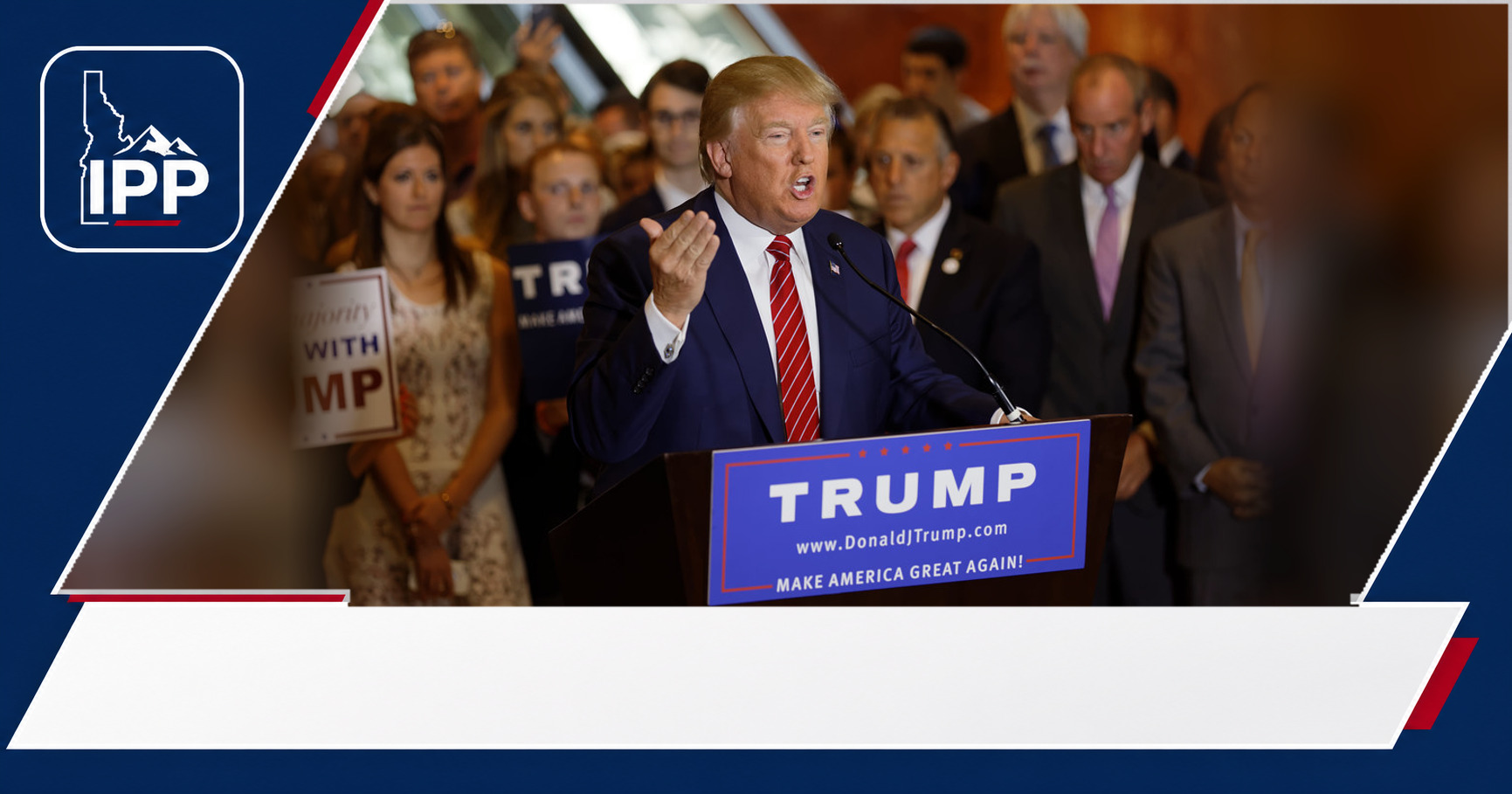
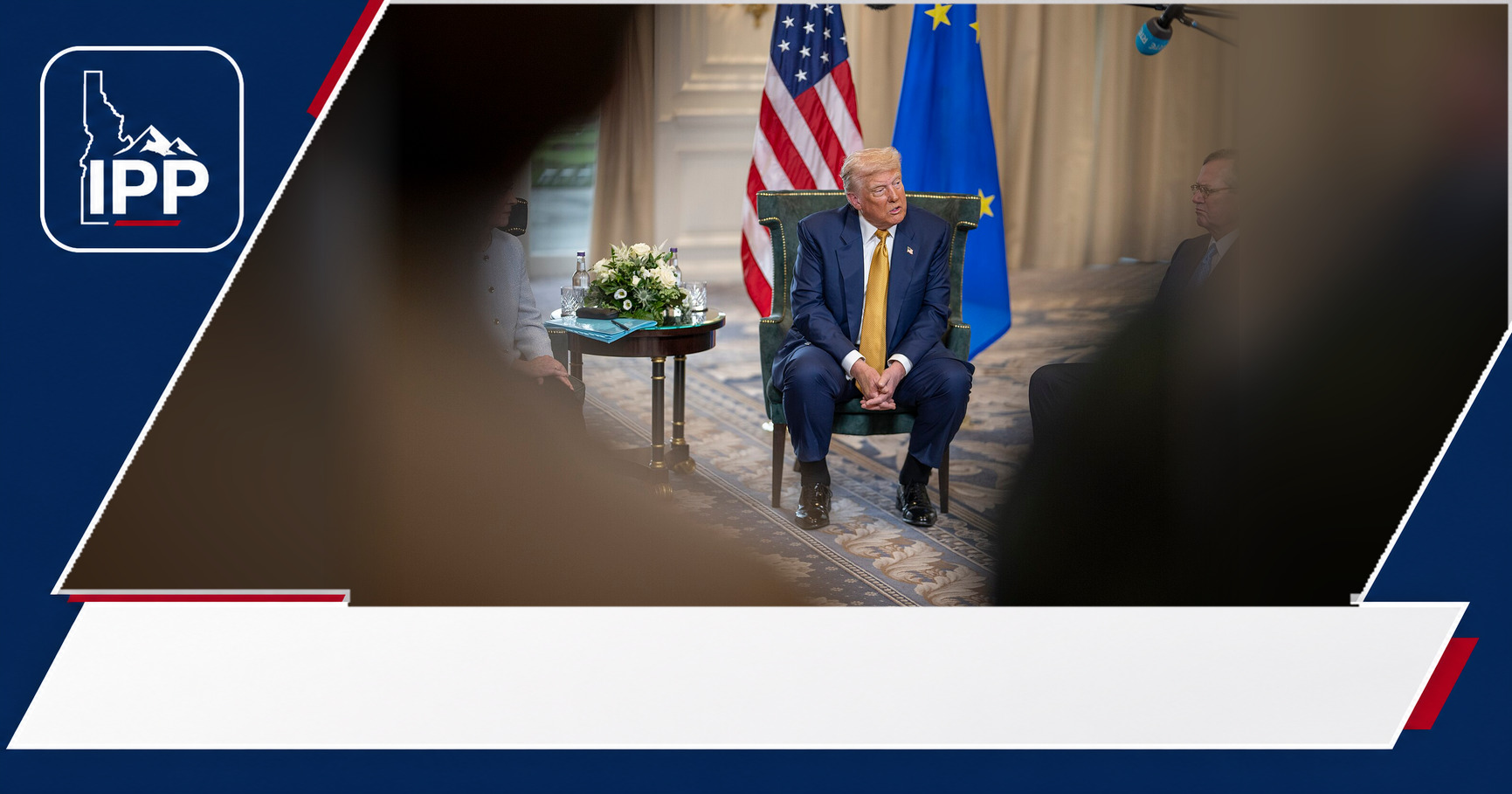
Donald Trump said Iran should surrender and threatened to bomb Oman on August 17, 2026, according to Reuters and other reports. The threat involved Oman’s dealings with Iran over the Strait of Hormuz, a vital waterway for global energy shipments, putting a country known for regional mediation directly into Trump’s pressure campaign on Tehran.
Trump’s remarks matter because Oman has been involved in talks with Iran on reopening or managing access through the strait. A threat aimed at Muscat could complicate diplomacy just as the question of Hormuz control and Iranian relations is again drawing international attention.
Trump’s remarks targeted two countries
In comments reported Monday, Trump called on Iran to “put up the white flag of surrender,” according to reporting by The Guardian, which cited Fox News journalist Trey Yingst’s account of an interview with the president.
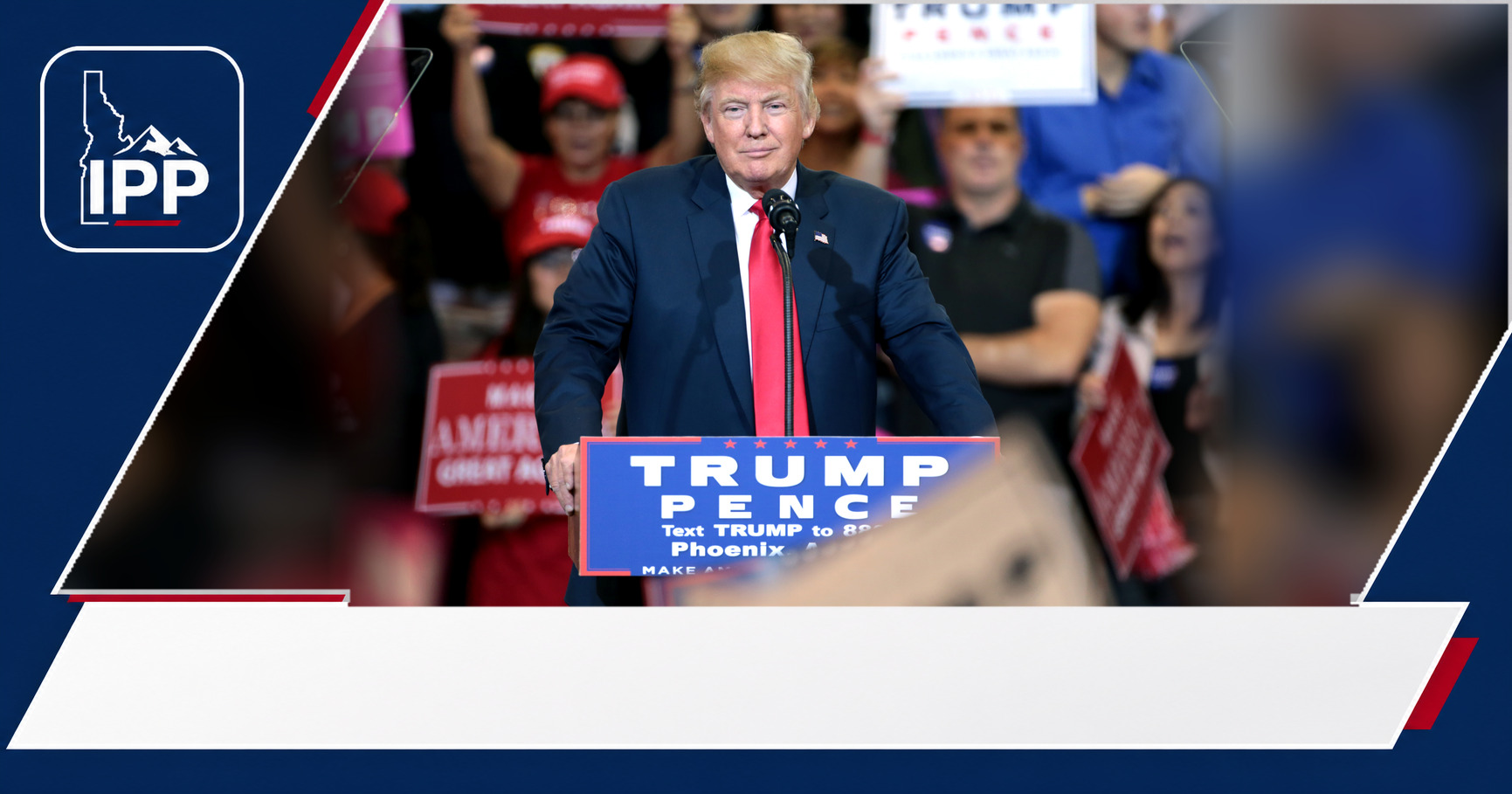
Trump also said Oman could be bombed if it “gets in the way,” in reference to its contacts with Iran. Reuters’ headline described the remarks as a call for Iran’s surrender paired with a threat to bomb Oman.
The available reports do not establish that Trump announced a formal military order, an imminent strike, or a new written U.S. policy toward Oman. They describe a verbal threat made in the context of a discussion about negotiations and the Strait of Hormuz.
That distinction is important, though it does not make the language inconsequential. Presidential comments can affect diplomatic calculations even when they are not followed immediately by a formal action.
Why Oman is central here
Oman occupies a distinctive place in Gulf diplomacy. It has long maintained channels with Iran while also working with the United States and other regional powers, making it a frequent intermediary when direct communication is difficult.
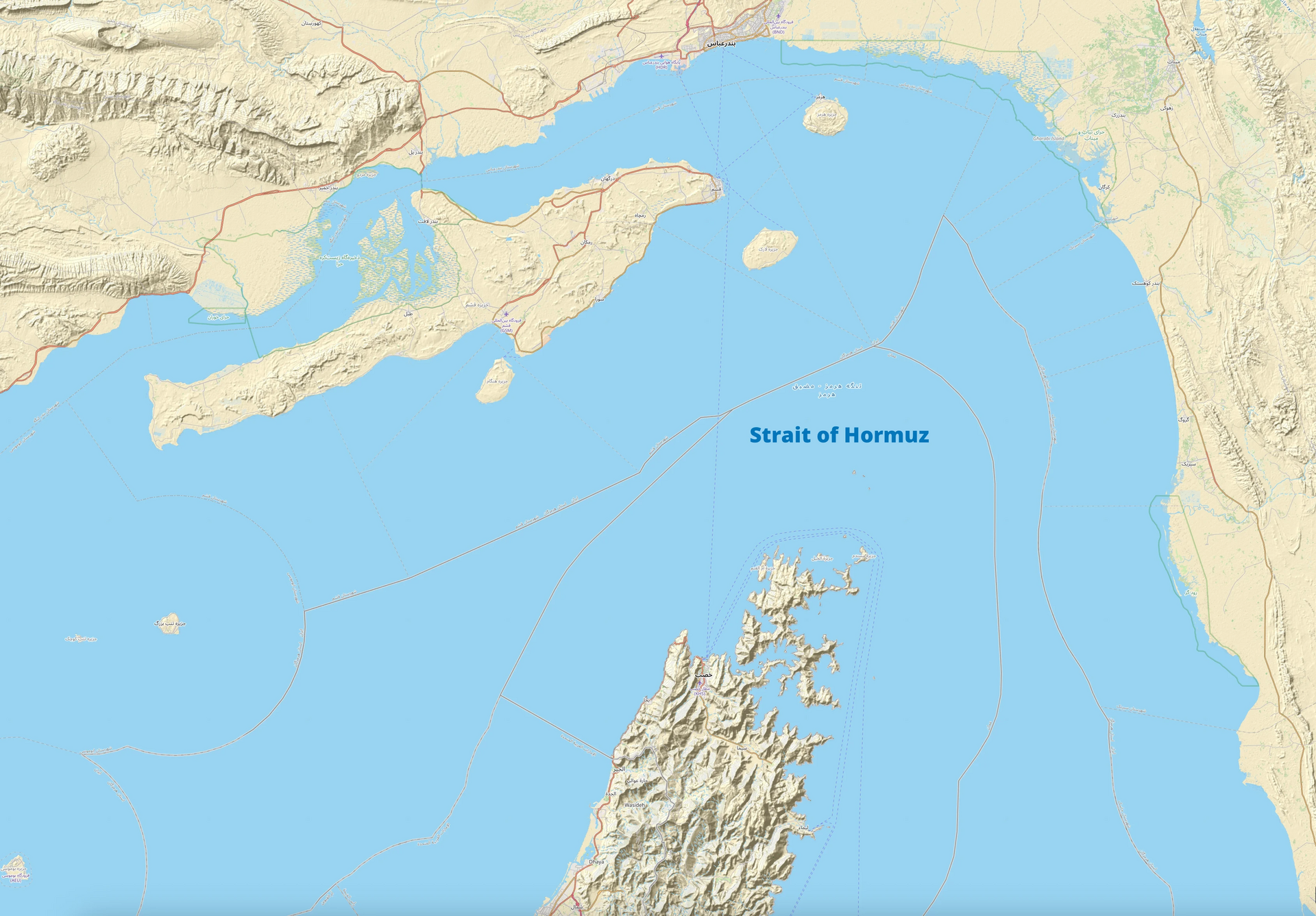
According to The Washington Post, the exchange concerned negotiations between Iran and Oman about a solution to reopen the Strait of Hormuz. The Guardian similarly reported that Oman and Iran were discussing control of the waterway while Washington pursued its own talks.
That creates a difficult position for Muscat. A mediator’s usefulness depends on being able to speak with parties who may not trust one another. Publicly threatening the mediator can narrow its room to maneuver, especially if it is expected to help carry messages, shape arrangements or lower tensions.
It is also not yet clear what specific Omani action Trump believed could obstruct a U.S.-Iran understanding, or whether Oman had responded publicly to the remarks at the time of the reports.
The Strait of Hormuz raises stakes
The Strait of Hormuz is a narrow passage connecting the Persian Gulf with the Gulf of Oman and the Arabian Sea. It is one of the world’s most strategically important maritime routes because major oil and liquefied natural gas exporters depend on it to reach global markets.
Even political confrontation around the strait can unsettle energy markets, insurers, shippers and governments that rely on predictable sea lanes. Any actual disruption would carry consequences well beyond Iran, Oman and the United States.
That is why language about control, reopening or access through Hormuz has implications beyond the immediate dispute. It touches on freedom of navigation, regional security and the potential cost of a wider confrontation.
The reports do not specify the terms of the Iran-Oman discussions or whether a concrete agreement on the strait was close. Without those details, it is difficult to assess whether Trump was reacting to a particular proposal, a broader negotiating posture or the prospect of an arrangement he opposed.
A diplomatic threat with competing readings
Supporters of a hard-line approach toward Tehran could view Trump’s demand and threat as an effort to apply maximum pressure, signaling that the United States will not accept an arrangement it sees as undermining its interests in Hormuz.
Critics are likely to argue that threatening Oman risks alienating a useful regional interlocutor at a moment when communication channels are especially valuable. Oman’s ability to talk with Iran has often made it more useful precisely because it is not seen as simply acting for Washington or Tehran.
There is also a practical diplomatic question: pressure can sometimes force concessions, but it can also encourage parties to harden positions or seek alternatives to U.S.-backed talks. The immediate effect will depend on how Iran, Oman and other Gulf governments interpret the remarks.
The reported comments came as a memorandum of understanding intended to support a durable peace with Iran had officially expired, The Washington Post reported. That timing adds to the uncertainty around whether negotiations are deteriorating, being reset or moving into a more confrontational phase.
What to watch after August 17
The next meaningful signals will be official ones: whether the White House clarifies Trump’s comments, whether Oman issues a response, and whether Iranian officials address the demand for surrender or the future of Hormuz talks.
Any change in maritime advisories, military deployments, shipping patterns or energy-market pricing would also be closely watched. None of those developments can be assumed from a presidential threat alone, but they would indicate whether rhetoric is becoming operational policy.
For now, the clearest verified point is narrow but significant: Trump publicly paired a demand for Iran’s surrender with a threat against Oman tied to the country’s dealings with Iran over the Strait of Hormuz. The unanswered question is whether that posture will pressure negotiations forward or make an already sensitive regional channel harder to use.







Leave a Reply