

The actor’s remarks about her 11-year-old daughter offer a personal account of motherhood, addiction and recovery rather than a simple celebrity-family update. They also leave a fuller picture of the choices Panettiere said she made to put Kaya first.
Hayden Panettiere made emotional final comments about her daughter, Kaya, in a July 21 cover interview with parenting magazine Momé. The 36-year-old actor discussed her relationship with Kaya, 11, and the experiences that shaped her as a mother just weeks before her death was confirmed on August 16.
Panettiere’s remarks centered on a painful custody decision involving Kaya’s father, Wladimir Klitschko, but also on the connection she said she still felt with her daughter. Her final interview did not present recovery as a neat ending; it described an ongoing effort to become the parent she wanted to be.
What Panettiere said about Kaya
In the Momé profile, published under the cover-line theme that Panettiere “Never Stopped Choosing Her Daughter,” she called Kaya her “mini me” and spoke warmly about the girl she said she remained close to.
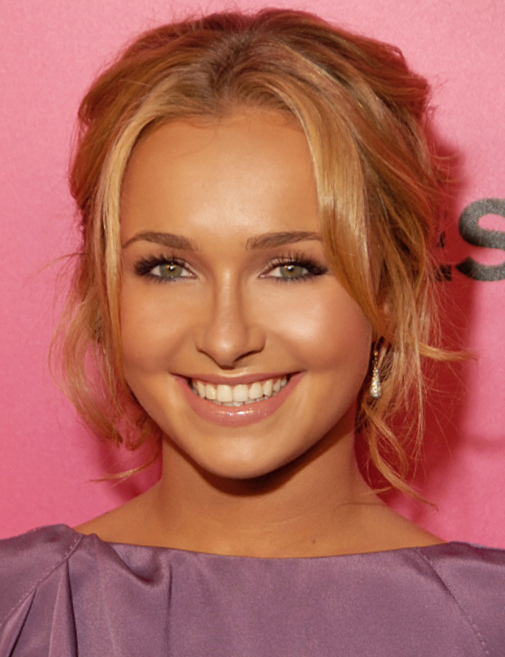
“I love my daughter, and I’m so proud of the young woman she is becoming,” Panettiere said. She added that she and Kaya spoke often and that she felt connected to her.
The comments matter because they placed Kaya at the center of Panettiere’s account of her life, rather than treating their separation as a footnote. Panettiere said she hoped her daughter would eventually understand why she had not always been able to be physically present.
That distinction ran through the interview: distance did not mean indifference, she suggested. Her version of putting Kaya first involved confronting problems that made day-to-day parenting difficult.
A difficult decision over custody
Panettiere and Klitschko welcomed Kaya in December 2014. In the interview, Panettiere revisited the period when Klitschko sought full custody of their daughter, who was about 2 at the time, citing concerns about her care.
Panettiere said agreeing to let Klitschko have custody was among the hardest choices she had made. She described the decision as one she did not want, but believed was necessary while she got help.
Klitschko, a Ukrainian boxer and Panettiere’s former fiancé, was living in Ukraine at the time described in the interview. The public details available in the source center on Panettiere’s own explanation of the decision, not a new statement from Klitschko.
Celebrity stories about custody can easily flatten into a question of who gave up on whom. Panettiere’s account offered a different framework: she said that stepping back was tied to treatment and to her belief that Kaya’s needs had to come first.
Her account of postpartum depression
Panettiere linked that difficult chapter to Kaya’s birth, which she described as traumatic and near-fatal. According to the interview, she required seven blood transfusions and three hours of surgery.
During recovery, Panettiere said she did not experience the immediate emotional bond she had expected. She recalled feeling nothing when she looked at her newborn daughter and said she did not understand why.
Her description pushes against a powerful cultural expectation that motherhood begins with instant certainty and happiness. Panettiere said the emotional numbness brought shame and emptiness, experiences she associated with postpartum depression.
That context does not turn a deeply personal account into a universal one. But it explains why Panettiere framed her relationship with Kaya through both love and the reality that illness and addiction had affected her ability to parent as she wanted.
Recovery was not a finished story
Panettiere told Momé that she turned to alcohol while struggling with those feelings, and that it developed into alcohol dependency. She later entered rehab, where she said learning to forgive herself became part of the work.
Her memoir, This Is Me: A Reckoning, released May 19, also addressed her substance use. Panettiere wrote that a doctor warned her that she could die within five years if she did not stop drinking, and she disclosed an addiction to Klonopin, a central nervous system depressant.
In the book, she wrote that the prospect of a prolonged custody fight could have been psychologically devastating while she was at a particularly vulnerable point. Taken together, the memoir and Momé interview present the custody agreement as part of a wider attempt to stabilize her life.
Panettiere did not claim she had reached a perfect resolution. In her closing Momé remarks, she described herself as “a work in progress” and said she was taking life day by day while continuing to do the work.
Why the timing now resonates
Panettiere’s representative confirmed her death to USA TODAY on Sunday, August 16. A cause of death had not been shared at the time of the report.
That makes the July interview feel especially intimate, but its significance is not limited to its timing. Panettiere spoke in direct terms about postpartum depression, addiction, treatment and custody—subjects that often receive fragmented attention when discussed through celebrity news.
Her remarks also resist a cleaner narrative of either failure or redemption. She described regret, treatment and continued effort alongside pride in Kaya and confidence in their ongoing relationship.
For readers revisiting Panettiere’s life, the interview leaves a clear takeaway: she wanted Kaya to know that the decisions that created distance were, in her telling, rooted in love and in an effort to get well enough to be the mother her daughter needed.
What remains unknown
There is no public cause of death in the reporting provided by USA TODAY. It would be premature to draw conclusions from Panettiere’s past disclosures about addiction, postpartum depression or medical experiences.
There is also no indication in the report that Kaya or Klitschko made a public statement in response to Panettiere’s death. The available account is primarily Panettiere’s own reflection, delivered before her death, about her family and recovery.
That restraint matters. The most grounded reading of her final comments is the one she supplied herself: a mother speaking candidly about the cost of her struggles, the care she had sought and the enduring bond she said she had with her daughter.




Leave a Reply