
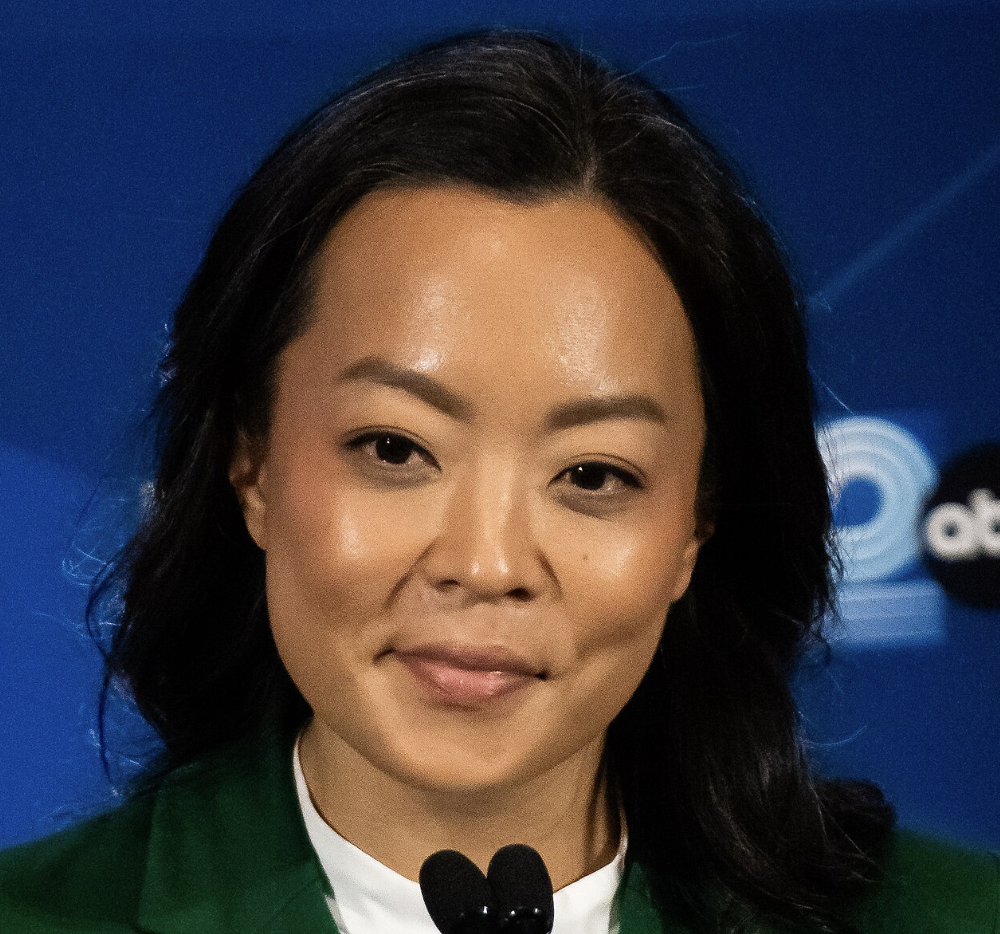
Wisconsin Democrats are choosing between Francesca Hong’s progressive campaign and David Crowley’s centrist comeback after a series of late exits reshaped the race. The result will test which faction can best compete in a state where statewide elections are often decided by narrow margins.
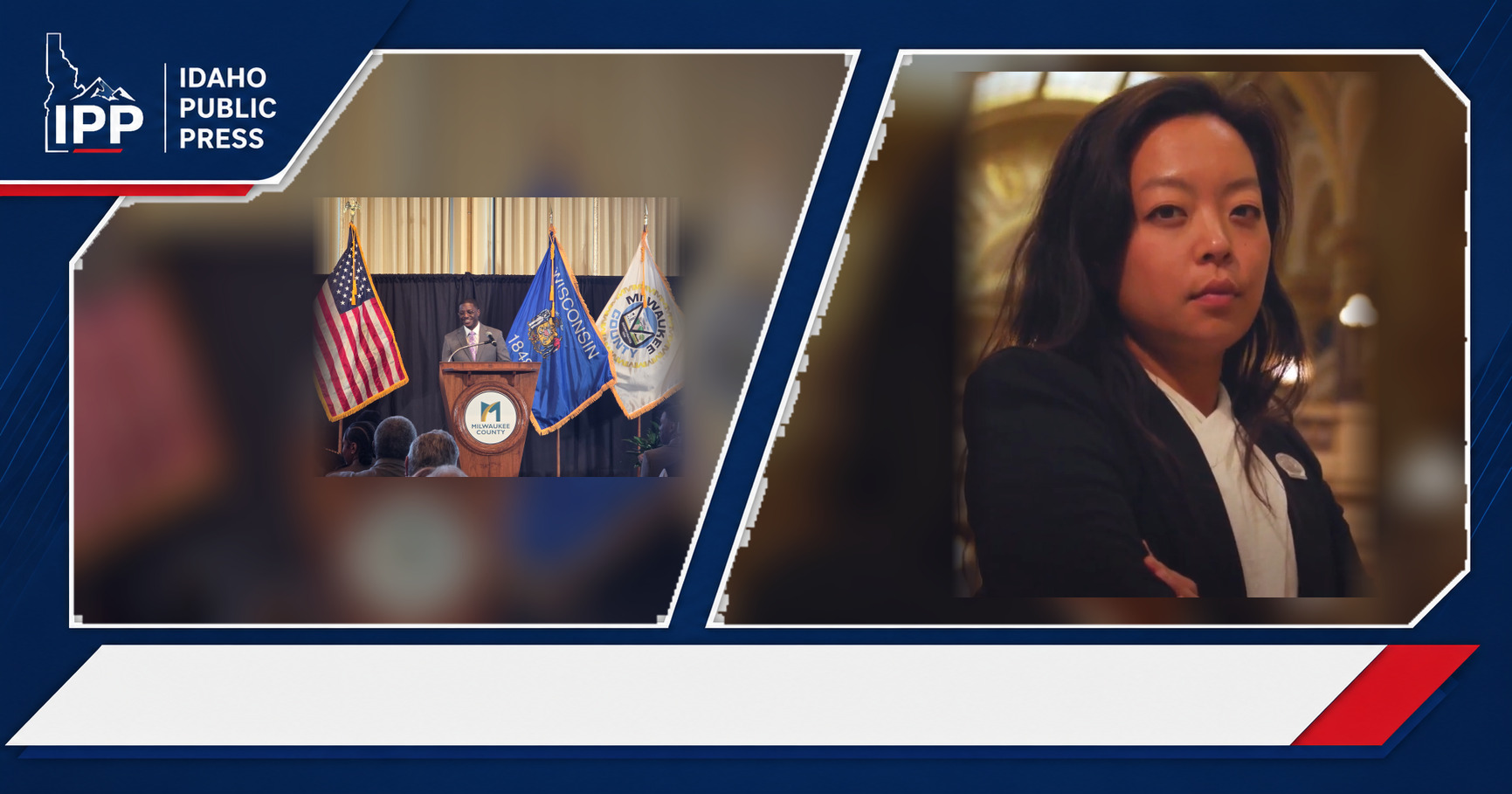
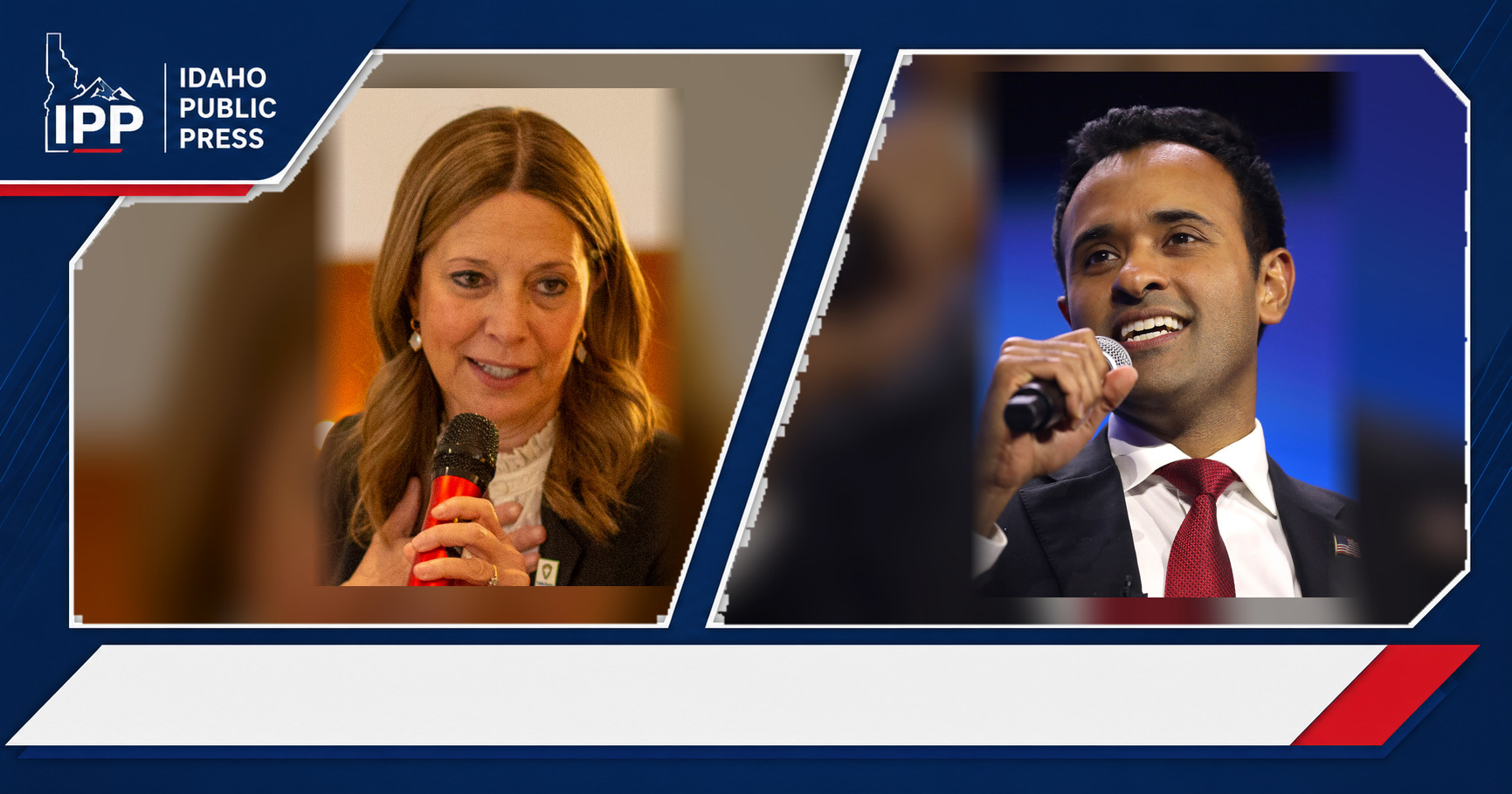
Francesca Hong and David Crowley are competing for the Democratic nomination for governor in Wisconsin on Tuesday, August 11, 2026. Hong, a Democratic socialist and state lawmaker, is challenging Crowley, the more centrist candidate endorsed by outgoing Democratic Gov. Tony Evers, in a primary that changed dramatically in its final weeks.
The contest matters because Wisconsin Democrats are deciding how to replace Evers in a perennial battleground state. Hong’s rise and Crowley’s return to the race have turned what once looked like a broader field into a sharp argument over the party’s direction before the November election.
Two paths to the nomination
Hong and Crowley now represent distinct political lanes in the Democratic primary. CBS News described Hong as a democratic socialist and Crowley as a more moderate, or centrist, Democrat.
That framing does not mean the candidates disagree on every issue, and voters will weigh more than ideology. But it gives the race a clear organizing question: whether Democratic primary voters want to elevate a candidate from the party’s progressive wing or rally around a contender with institutional support from the outgoing governor.
Hong is a state legislator and former chef whose campaign gained momentum as the field narrowed. Crowley is the Milwaukee County executive, bringing executive-government experience and a base in the state’s largest metro area.
Evers’ endorsement adds significance to Crowley’s candidacy. The governor is not seeking another term, leaving Democrats without an incumbent at the top of the ticket and giving his support added weight in a suddenly unsettled succession contest.
A race reordered at the last minute
The Wisconsin Democratic primary did not begin as a simple Hong-versus-Crowley matchup. Former Lt. Gov. Mandela Barnes, Lt. Gov. Sara Rodriguez, Crowley and Hong were among the prominent Democrats seeking the nomination.
The campaign’s shape changed in July, according to CBS News. Crowley initially ended his bid and endorsed Rodriguez, who was seen as a more establishment-oriented candidate. Rodriguez then withdrew days later after saying her campaign had less money available than previously believed.
That development opened a path for Hong, who had emerged as a front-runner. Crowley then reentered the race, saying during a debate that his earlier withdrawal had been based on inaccurate data.
Barnes exited on July 30, less than two weeks before the primary. His departure further consolidated attention on Hong and Crowley, creating the unusually compressed endgame now facing Wisconsin voters.
Evers’ endorsement changes the stakes
Crowley’s support from Evers is not merely a familiar endorsement in a party primary. It ties the Milwaukee County executive to the governing record of a two-term Democratic governor who won statewide races in a closely divided state.
For Crowley, the endorsement offers a case for continuity: a Democrat with executive experience, support from a sitting governor and an argument that the party needs a nominee positioned to compete across Wisconsin in November.
For Hong, running against the governor-endorsed candidate creates a different opportunity. A victory would show that the party’s base is willing to choose a progressive candidate over the preferred successor of the Democratic establishment.
Neither case is automatic. Endorsements can supply credibility, networks and attention, but primary voters can reject them. Progressive energy can mobilize committed supporters, while still leaving open the harder question of how a candidate will assemble a statewide general-election coalition.
Wisconsin makes every coalition matter
Wisconsin is a particularly consequential place for this kind of Democratic argument. Donald Trump won the state in 2024 by less than one percentage point, CBS News reported, underscoring how little room either party has for strategic mistakes.
The state also has split representation in the U.S. Senate: Republican Sen. Ron Johnson and Democratic Sen. Tammy Baldwin. Its recent elections have repeatedly shown that urban turnout, suburban persuasion and rural margins can all shape the outcome.
That reality is why the Hong-Crowley divide is not just an internal ideological contest. Democrats will be looking for signs about which candidate can energize voters in Milwaukee and Madison while also appealing beyond the party’s most reliable progressive strongholds.
Hong’s supporters can argue that a clearly progressive nominee may create enthusiasm among voters who want a sharper contrast with Republicans. Crowley’s backers can argue that a centrist profile and executive record could be better suited to a closely fought statewide campaign. Both theories will face a real-world test at the ballot box.
The Republican contest looms behind it
The Democratic primary is taking place with the general election already in view. CBS News reported that Rep. Tom Tiffany, an ally of President Donald Trump, was widely expected to secure the Republican nomination for governor.
That prospect gives Wisconsin Democrats an immediate strategic concern. Their eventual nominee will need to move quickly from an intraparty contest into a statewide campaign against a Republican candidate with strong name recognition among the GOP base.
The primary’s late twists could cut in different directions. A hard-fought contest may sharpen each Democrat’s message and build campaign infrastructure. It may also expose divisions that the winner will need to address quickly after the votes are counted.
For Evers, the outcome will help determine whether his party continues his governing approach or chooses a visibly different messenger. For Hong and Crowley, the result will settle a contest that became a referendum on both ideology and electability in only a few turbulent weeks.
What the vote can and cannot answer
Tuesday’s result will answer which candidate Wisconsin Democratic primary voters prefer, but it will not settle every debate surrounding the race. Turnout patterns, regional performance and the margin of victory will all matter as parties assess what the result says about the electorate.
A Hong win would be read as a major victory for the progressive wing, particularly because she is facing the governor-endorsed candidate. A Crowley win would reinforce the value of Evers’ backing and the argument that Democratic voters wanted a more centrist standard-bearer.
Still, primary results do not automatically predict November outcomes. Wisconsin’s general electorate is broader, and the next phase will require the nominee to unify Democrats while making a case to independents and persuadable voters.
The immediate story is straightforward: Hong, the Democratic socialist, is trying to defeat Evers-backed Crowley for the Democratic nomination. The larger story is whether Wisconsin Democrats believe their strongest route forward is a progressive break from the outgoing governor’s preferred successor or a continuation of the coalition Evers built.





Leave a Reply