
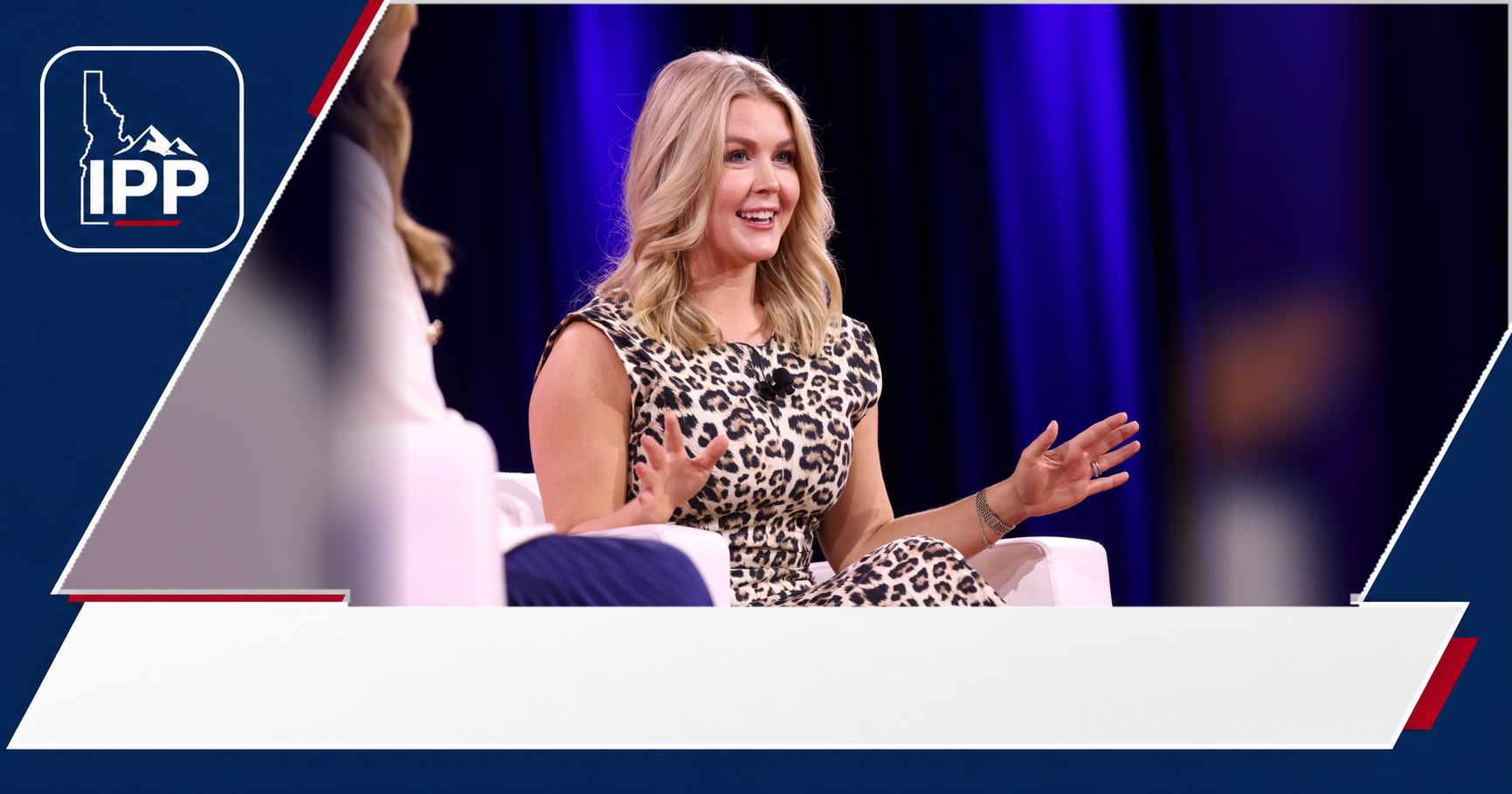
Leavitt says the demands of the White House role and motherhood led to her decision to depart. Trump says she will remain a top outside adviser and a prominent Republican voice.
Karoline Leavitt is leaving her role as White House press secretary at the end of August, President Donald Trump announced Wednesday. Trump said Leavitt will become one of his top outside advisers and remain an influential voice within the Republican Party, making her departure from the White House less a clean break than a shift in how she will support his agenda.
Leavitt said she made the decision after returning from maternity leave, describing the White House press secretary job as incompatible with giving her two young children the time and attention she believes they deserve. Her exit leaves Trump needing to name a new public-facing messenger while retaining one of his most prominent defenders outside the administration.
Trump frames exit as a transition
Trump announced that Leavitt would depart at the end of the month in a social-media post, calling her one of his “most trusted aides.” He said he understood and respected her decision to spend more time with her family.
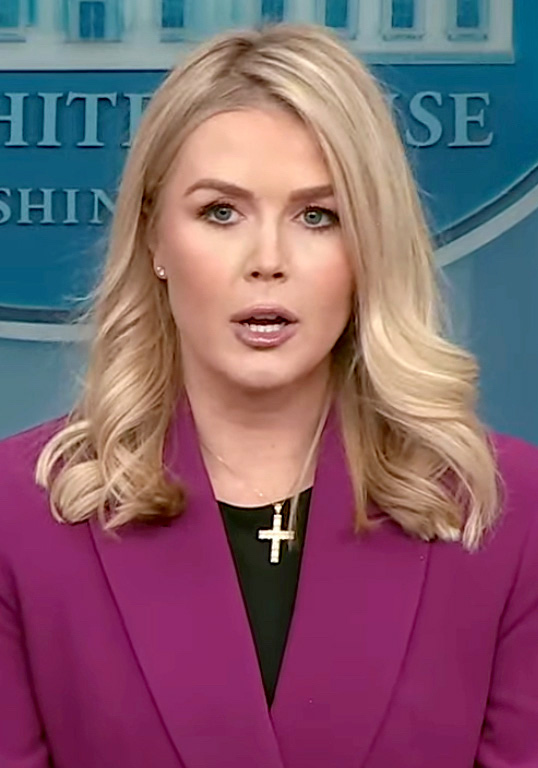
The president also made clear that he does not see her as exiting his political circle. Trump said Leavitt would serve as one of his top outside advisers, a description that suggests she could remain involved in communications, political strategy or public advocacy without holding the daily White House post.
That distinction matters. A press secretary speaks for the administration from inside the executive branch, under constant scrutiny from reporters and the public. An outside adviser has more flexibility and, potentially, a more overtly political role.
Leavitt points to family demands
Leavitt, 28, said in a post on X that serving as press secretary had been “the honor and adventure of a lifetime.” But she also described the strain of returning to one of Washington’s most demanding communications jobs after the birth of her second child.
She welcomed a daughter in May with her husband, Nicholas Riccio. The couple also has a two-year-old son. Leavitt returned from maternity leave last month before deciding to leave the White House.
In her statement, Leavitt said she felt she could not be the mother her children deserve while also giving the press secretary role its required “constant time, energy, and attention.” Her explanation places family considerations at the center of a departure that had not been publicly telegraphed.
Her decision will likely draw two competing readings. Supporters may see it as an unusually candid acknowledgment of the personal cost of a high-pressure government role. Others will focus on the political impact of losing a disciplined spokesperson who had become a familiar defender of Trump’s administration.
A defining voice in Trump’s press shop
Leavitt became the youngest White House press secretary in history when she took the role last year. She arrived with deep ties to Trump’s political operation, having worked as an assistant press secretary and speechwriter during his first term.
Her résumé also includes serving as communications director for Rep. Elise Stefanik of New York, an unsuccessful 2022 congressional run in New Hampshire, work with the pro-Trump group MAGA Inc., and service as national press secretary on Trump’s 2024 campaign.
At the White House, Leavitt developed a notably combative relationship with much of the press corps. She regularly accused reporters and outlets of bias while forcefully defending the president’s policies and messaging.
Her tenure included a major change in how the White House press pool was organized. Her office took control of pool arrangements that had traditionally been managed by the White House Correspondents’ Association. The administration also initially restricted Associated Press access amid a dispute over the outlet’s refusal to use Trump’s preferred term, “Gulf of America.”
The replacement question is open
Trump had not announced a successor when Leavitt’s departure was made public. The lack of an immediate replacement leaves a central practical question: who will handle the daily task of answering for an administration that has frequently been at odds with major news organizations?
During Leavitt’s roughly seven-week maternity leave earlier this year, several senior officials filled the briefing-room role, including Vice President JD Vance, Secretary of State Marco Rubio and Interior Secretary Doug Burgum. Those appearances showed the White House can spread communications duties among senior officials in the short term, but they did not settle who should take the permanent job.
The next press secretary will inherit more than a podium. The role requires managing formal briefings, rapid responses to breaking events, access disputes, television appearances and the administration’s broader relationship with reporters.
Leavitt is reported to be the second longest-serving press secretary across Trump’s two administrations, behind Sarah Huckabee Sanders. Her successor would be Trump’s sixth chief spokesperson over the course of those two presidencies, underscoring how quickly the job can change hands.
Outside adviser role keeps leverage
Trump’s description of Leavitt’s next role is significant because it preserves her political relevance. Outside advisers can advocate for a president in media appearances, campaign-style events, party organizing and informal strategic discussions without being tied to the daily obligations and restrictions of a White House position.
It remains unclear exactly what Leavitt’s portfolio will include, whether she will retain a regular media presence, or how frequently she will work with White House staff. No detailed job description, start date or formal structure for her advisory position was announced.
White House deputy chief of staff Stephen Miller said in a Fox News interview that Leavitt was a close friend and role model, adding that they would continue working together every day. That comment reinforces Trump’s message that her influence is expected to continue even after she leaves the building.
For Republicans, Leavitt’s next chapter could offer a way to keep a young, recognizable communicator active in the party. For the White House, the challenge is more immediate: finding someone who can carry Trump’s message with the same visibility while navigating an adversarial and highly demanding press environment.
What to watch before August ends
The first test will be whether Trump quickly names a replacement or relies on rotating senior officials. A swift choice would signal confidence in a successor; a longer search could suggest the White House is weighing whether to reshape the job or its briefing strategy.
Leavitt’s final weeks may also clarify how she transitions from official spokeswoman to outside political adviser. Her public explanation has emphasized family, while Trump’s praise makes clear he wants to keep her close.
The result is a notable personnel change with an unusual political afterlife. Leavitt will leave the White House press secretary’s podium, but Trump has indicated that she will remain part of the broader network defending and advancing his agenda.







Leave a Reply