

A health allegation involving a president can travel far faster than the evidence behind it. Here is what the phrase “frontal lobe illness” can mean medically — and why it cannot establish a diagnosis on its own.
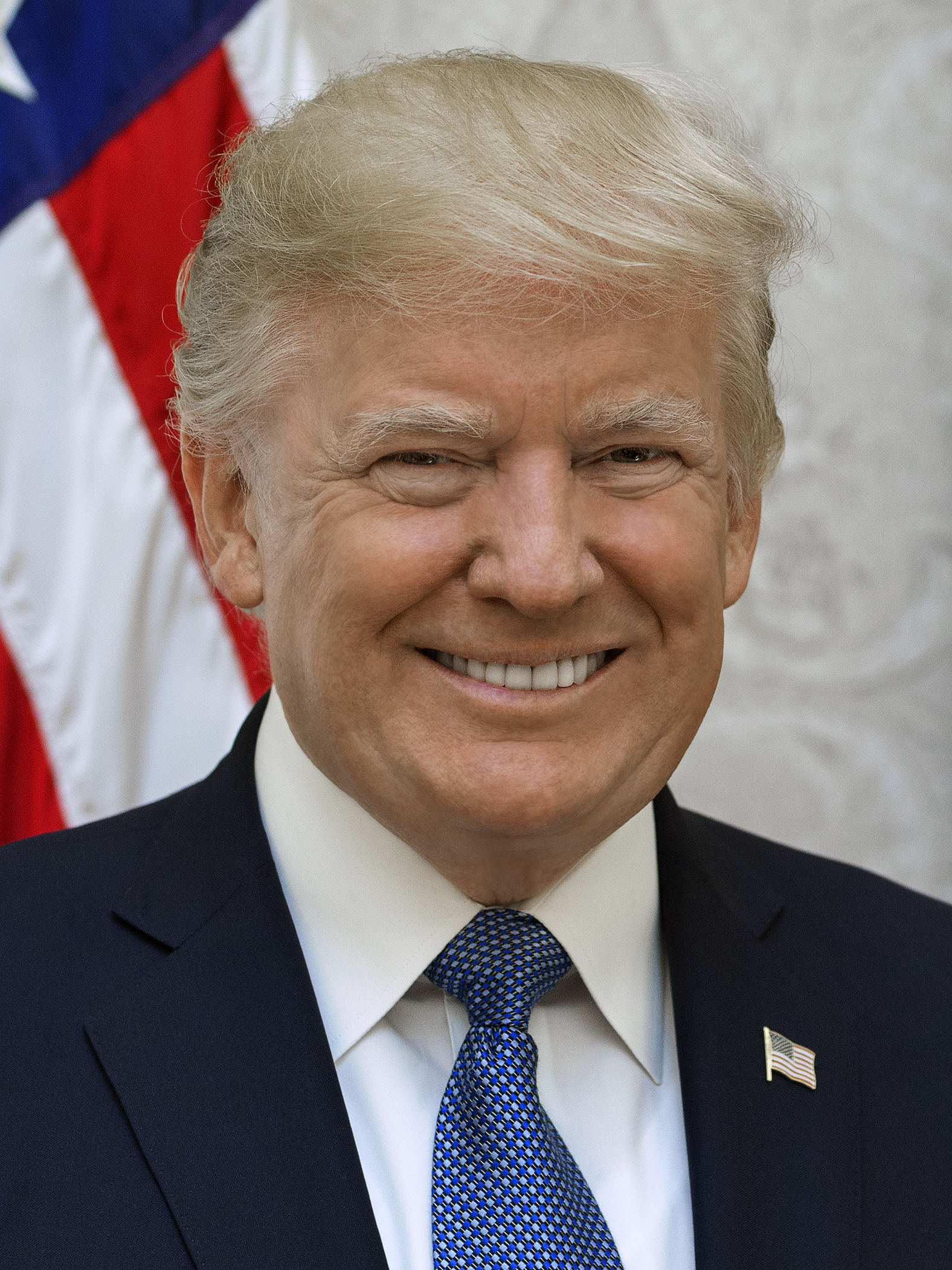
Donald Trump is the subject of a claim by a former Trump official about an alleged “frontal lobe illness.” The claim concerns Trump’s health, but it is not presented as a confirmed diagnosis, and the available source material does not provide medical records, a clinician’s assessment or independently verifiable evidence.
That distinction matters. “Frontal lobe illness” is not a casual shorthand for an off day, an unusual remark or a political disagreement; it describes a potentially serious set of neurological concerns that requires a real clinical evaluation.
What the claim actually establishes
The available material identifies the allegation only at a high level: a former Trump official reportedly made comments about the president’s alleged frontal lobe illness. It does not identify the former official, provide a direct quotation, describe when or where the comments were made, or lay out the evidence offered for the assertion.
It also does not include a diagnosis from Trump’s treating physicians, test results, imaging findings or a medical statement confirming a frontal-lobe condition. Without those details, the claim should be treated as an allegation about Trump’s cognitive health — not a medical conclusion.
That is especially important in presidential politics, where health claims can become campaign ammunition almost instantly. A former aide may have firsthand impressions of a public figure’s behavior, but impressions are not the same thing as a neurological examination.
Why “frontal lobe illness” is imprecise
The phrase used in the allegation is broad and medically imprecise. The National Institutes of Health’s StatPearls review describes frontal lobe syndrome as a group of cognitive, behavioral, emotional and motivational changes linked to dysfunction in frontal-subcortical brain networks.
The frontal lobes play major roles in planning, working memory, judgment, attention, impulse control, social behavior and goal-directed activity. But those functions are complex, and a change in any one of them does not point neatly to one condition or one part of the brain.
NIH’s review lists many possible causes of frontal-lobe dysfunction, including traumatic brain injury, cerebrovascular disease, neurodegenerative disorders, tumors, infections, inflammation, and metabolic or toxic injury. The range itself explains why a phrase such as “frontal lobe illness” cannot responsibly be used as a diagnosis without clinical evidence.
Symptoms can also differ depending on which networks are affected. Some patients may have trouble with planning or verbal fluency; others may show apathy, poor judgment, disinhibition or changes in emotional regulation. Those are clinical patterns that professionals evaluate over time, not labels that can be reliably assigned from public appearances.
Diagnosis requires more than observation
According to the NIH review, evaluating suspected frontal-lobe dysfunction can involve a medical history, neurological examination, neuropsychological testing and, when appropriate, neuroimaging. Clinicians must also consider alternative explanations and the patient’s baseline functioning.
That process matters because many factors can affect how someone speaks, remembers details, reacts under pressure or performs in public. Fatigue, stress, medication effects, hearing problems, ordinary aging and acute illness can all influence behavior without establishing a frontal-lobe disorder.
Public clips offer even less certainty. A short video can show a stumble, a confusing phrase or a forceful reaction, but it cannot show the full medical history, the context of an interaction, laboratory data or a standardized cognitive assessment.
The practical standard is simple: claims about a specific neurological illness need specific supporting evidence. That ordinarily means information from qualified clinicians or documented testing, not political interpretation alone.
Political debate is not clinical proof
Trump’s health has long been part of public debate, as the health of presidents often is. Voters reasonably care about whether a president can meet the physical and cognitive demands of office, and officials seeking the presidency face scrutiny that few other people experience.
Still, public interest does not erase the need for accuracy. Supporters of Trump may view the allegation as a partisan attempt to turn selective moments into a diagnosis. Critics may argue that questions about a president’s health deserve fuller disclosure, particularly when a former insider raises concerns.
Both ideas can coexist: presidential fitness is a legitimate public issue, and a serious medical claim still requires credible substantiation. The strongest version of public scrutiny focuses on transparent, attributable information rather than speculation about symptoms.
Words such as “illness,” “cognitive decline” and “frontal lobe syndrome” carry clinical weight. Used loosely, they can stigmatize neurological conditions and make it harder for readers to distinguish genuine medical reporting from political messaging.
What remains unknown about Trump’s health
The key unanswered questions are basic ones. Who made the allegation? What exactly did the person say? Was the comment based on direct knowledge, an interpretation of behavior, secondhand information or a medical source? None of that is established in the supplied material.
There is also no included account from Trump, his representatives or his medical team addressing this particular allegation. Without a response and without underlying documentation, there is no way to assess the claim’s basis, scope or reliability.
A credible update would need to add verifiable facts: an on-the-record speaker, a full quotation and context, relevant medical documentation, or a statement from a qualified clinician with direct knowledge. Even then, doctors generally cannot diagnose a person responsibly from afar.
The careful takeaway for readers
The current claim is notable because it involves Donald Trump and comes from someone described as a former Trump official. It is not notable because it establishes that Trump has a frontal-lobe condition; the available evidence does not do that.
Readers should separate three different things: a political allegation, observations about public behavior and a verified medical diagnosis. They are not interchangeable.
For now, “frontal lobe illness” is an unverified phrase attached to a health claim, not a confirmed account of Trump’s medical status. Any stronger conclusion would go beyond what the available material supports.








Leave a Reply