
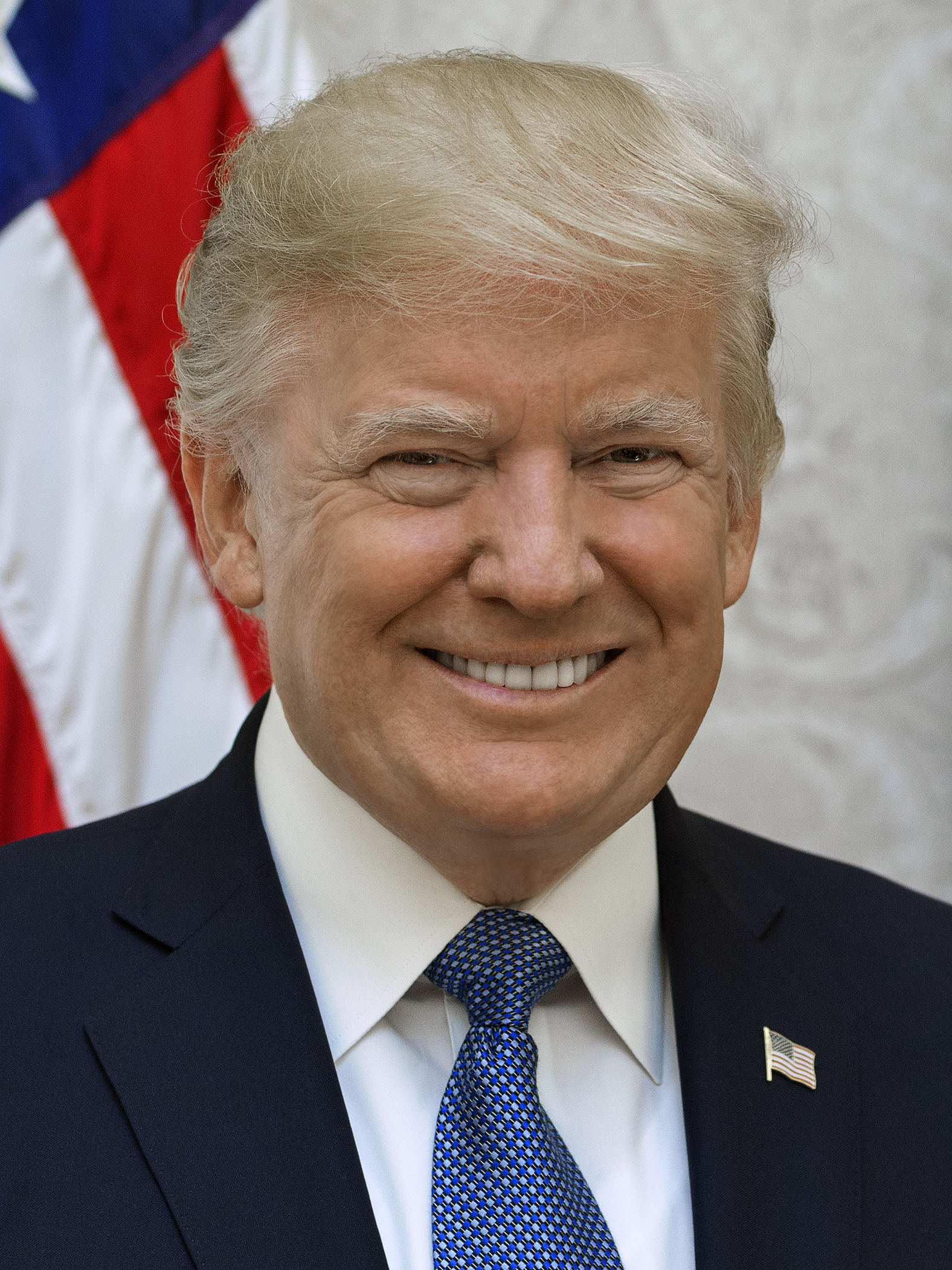
A remark during President Trump’s mining roundtable turned attention to artwork held by the State Department. The episode matters because federal collections include government-owned works as well as pieces obtained through loans and donations.
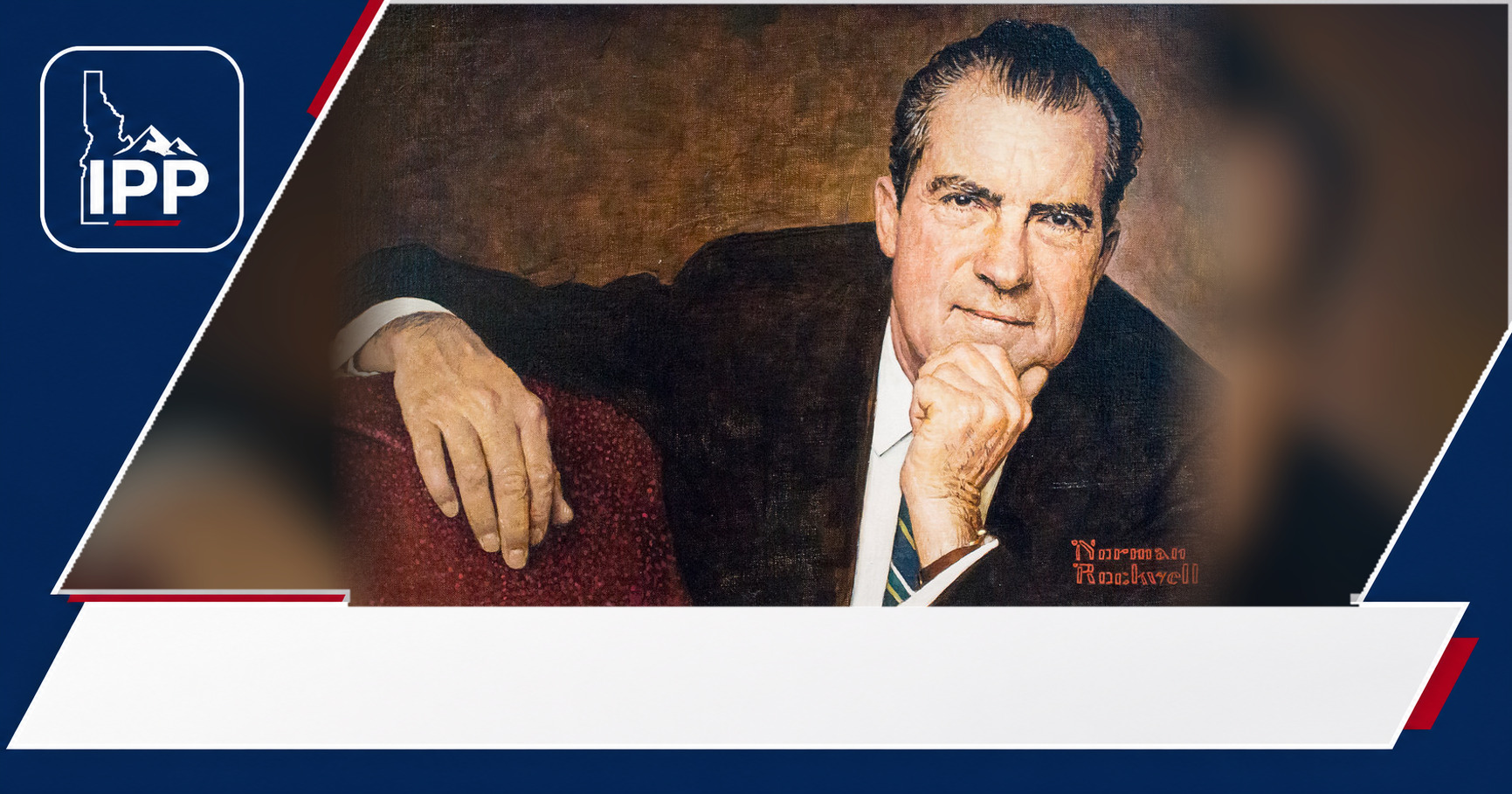
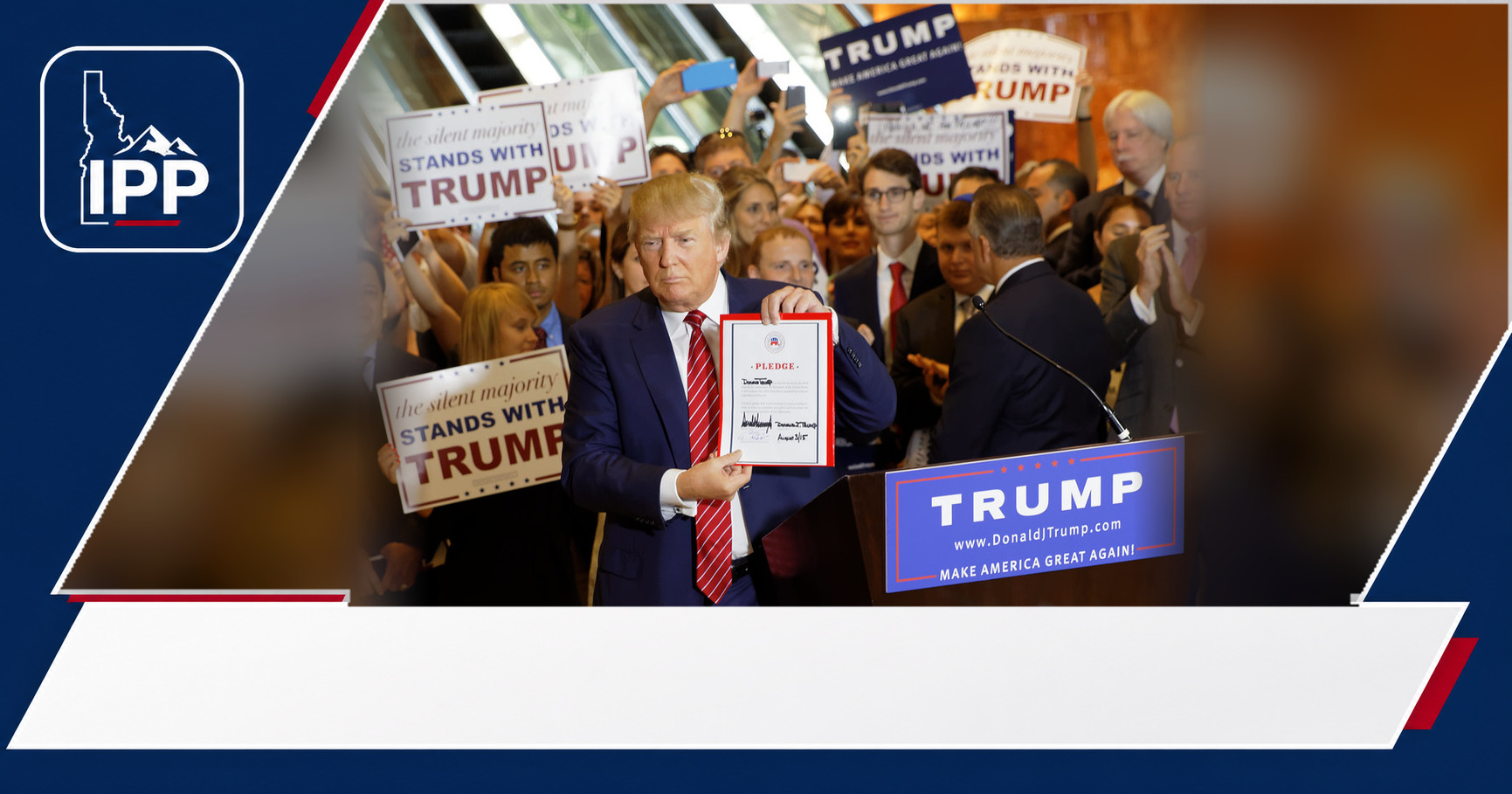
Donald Trump threatened to take paintings from the U.S. Department of State after losing his train of thought during a speech, according to a report on his remarks at a White House mining roundtable. Trump then said, “I’m taking it,” while discussing the State Department paintings — a striking line that has put a small but consequential question in focus: who actually controls art displayed in federal offices?
The exchange occurred during an event featuring Secretary of State Marco Rubio, whose office published a transcript of the roundtable. The transcript’s search preview includes the phrase, “I’m taking it with me,” followed by Rubio’s response: “That — I shouldn’t have said anything.” The available material does not establish whether Trump’s comment was a formal directive, a joke, or an off-the-cuff expression.
The remark that drew attention
The reported moment was not presented as an announcement of a new State Department art policy. It emerged amid a broader discussion at President Trump’s roundtable on American mining, an event that was not primarily about diplomacy, museums or government property.
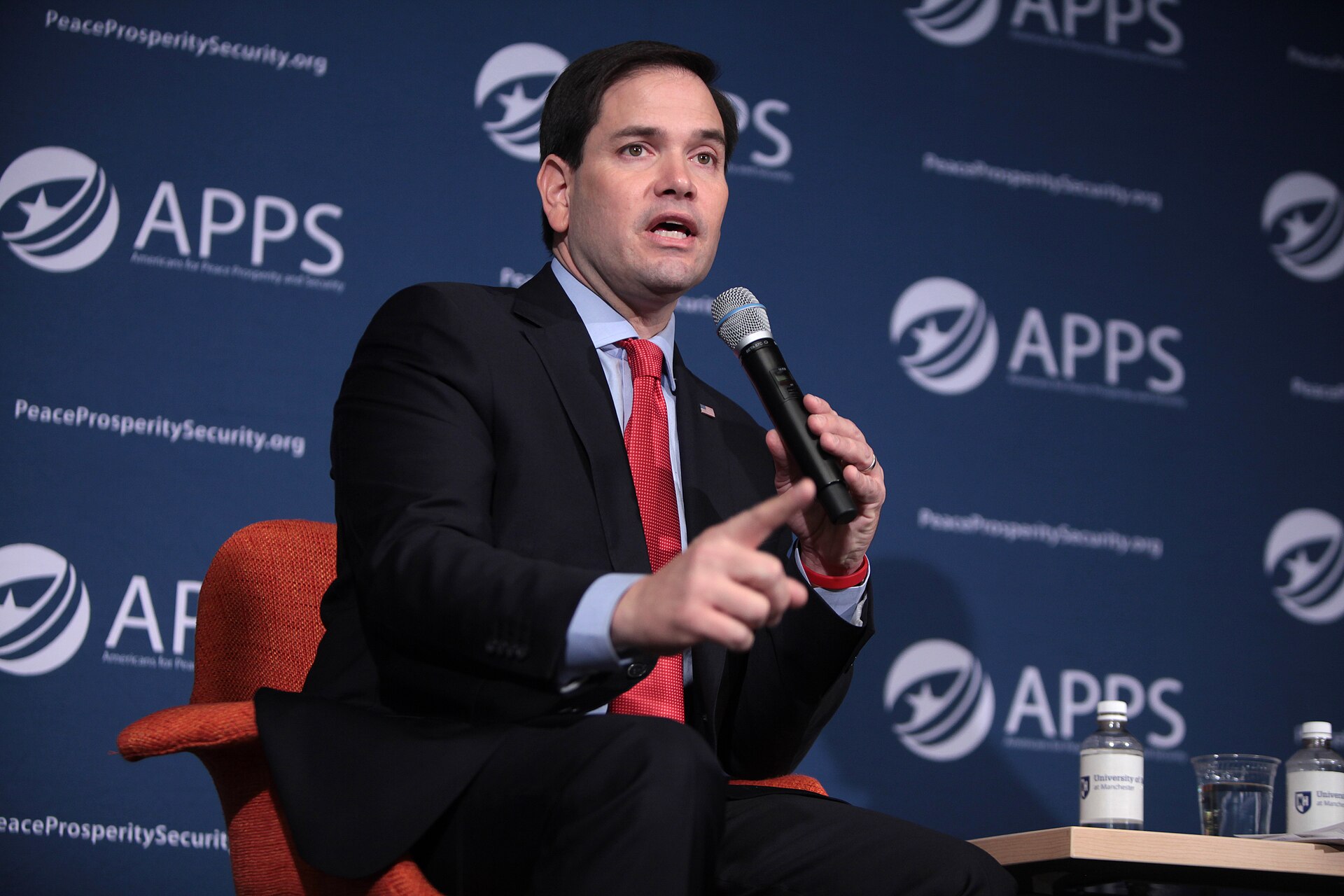
That contrast is part of why the clip-like exchange has traveled. A president talking about removing paintings from another cabinet department is inherently unusual, even when the immediate context is unclear.
Reports describing the moment said Trump lost his train of thought before turning to the paintings and saying, “I’m taking it.” The official State Department page for the event is an important reference point because it confirms the roundtable and preserves language closely matching the disputed phrase, though the page was not fully accessible in the extracted record.
Without a complete verified transcript excerpt identifying every speaker and the paintings at issue, it would be premature to treat the comment as proof that any work has been ordered removed, transferred or placed in the president’s personal possession.
State Department art is not one collection
The State Department has long maintained art, furnishings, books and other heritage assets in Washington and at U.S. posts overseas. A department heritage-assets description says those holdings can be found in the Diplomatic Reception Rooms, staff offices, reception spaces, conference rooms, embassies and other locations.
Crucially, the items do not all arrive through the same route. The department says works have been acquired through donations, loans from owners, and purchases using gift and appropriated funds. That means “State Department paintings” is a broad label, not a clear statement of ownership for any particular canvas on a wall.
The Diplomatic Reception Rooms, for example, contain more than 5,000 objects, including paintings, furniture, rugs and silver, according to the department’s description. The rooms are used by the secretary of state, the president and other senior officials for official functions and to present American history and culture to visiting guests.
Other holdings are part of the Art Bank Program, which was established in 1984 to place original works on paper and limited-edition prints in departmental offices and public areas. Still others belong to cultural-heritage collections managed for overseas properties.
Ownership would shape any move
A president has broad authority over the executive branch, but that does not turn every object in a federal building into a personal possession. The legal and administrative path would depend on the status of the individual work: federal property, a loan, a gift with conditions, or an item governed by a specific departmental collection policy.
A General Services Administration fact sheet on federal art provides useful context. It says portable artwork produced under certain federal programs is generally considered property of the federal government, while site-specific works may be treated differently. That distinction underscores why the details of each painting matter.
If a work is federally owned, questions could include which agency has custody, whether it is formally assigned to a building or collection, and what records govern a transfer. If it is on loan, the owner’s agreement could control what happens. If it was donated, the terms of the gift may be relevant.
None of those questions can be answered from a single speech line. Nor has the available source material identified the specific paintings Trump was discussing.
Why a casual line carries weight
Presidential remarks often operate on two levels. Supporters may hear an informal assertion of authority, or a familiar Trump-style aside. Critics may see the same language as evidence of a blurred boundary between public assets and personal power.
Both reactions reflect a real institutional concern: government art is not merely decoration. Diplomatic spaces use it to convey national history, cultural priorities and continuity across administrations. The State Department’s own description says its reception rooms are used to promote American values through diplomacy.
That is why a comment about taking artwork can become more than a viral aside. Even if no action follows, it touches the distinction between an elected official’s temporary control over an administration and the public or private status of objects maintained by that administration.
It also arrives at a time when the visual identity of federal spaces has become increasingly political. Choices about portraits, exhibitions, historic interpretation and what hangs on government walls can signal priorities as clearly as a formal speech.
What remains unconfirmed
There is no indication in the available reporting and official-source material that paintings have been removed from the State Department because of Trump’s comment. There is also no identified order, inventory change, transfer document or statement from State Department officials explaining a planned move.
The key unresolved issues are straightforward: which paintings were being referenced, whether they are government-owned or on loan, what Trump intended by “I’m taking it,” and whether anyone in the administration treated the remark as an instruction.
For now, the episode is best understood as a notable exchange from a mining roundtable rather than a confirmed change in federal art policy. But it has exposed how much history, legal status and diplomatic meaning can sit behind an object that looks like a painting on an office wall.
The larger issue is stewardship
Federal art collections are assembled across decades, administrations and funding sources. Their stewardship is often dispersed among agencies, curators, donors, property managers and diplomatic officials — a system that can seem invisible until a public figure draws attention to a single object.
Trump’s remark has revived that visibility. Whether it was serious, rhetorical or improvised, the line prompted a broader reminder: the phrase “government art” does not settle who owns a work, who may move it, or what obligations come with caring for it.
That distinction will matter if the State Department, White House or another federal agency provides a fuller account of the exchange. Until then, the evidence supports the existence of the comment and the complicated status of the collections it invoked, not a confirmed plan to take paintings away.


Leave a Reply