
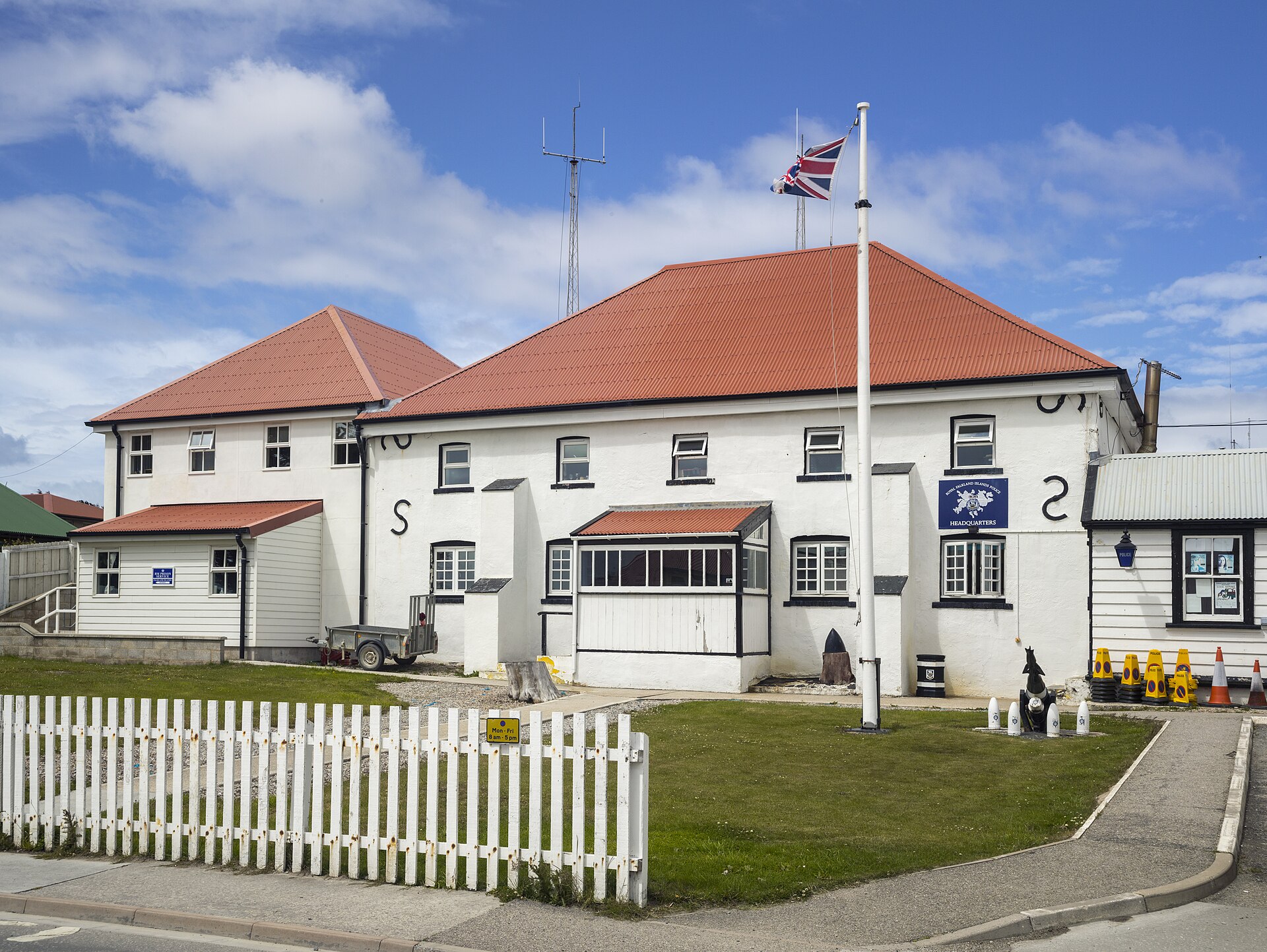
No formal U.S. shift has been announced, but the reported option moved a settled British red line into a wider dispute over NATO support for action in Iran.
Britain moved quickly to draw a boundary after Reuters, cited by The Hill, reported that an internal Pentagon email included an option to review U.S. positions on “imperial possessions,” including the U.K.-administered Falkland Islands, which Argentina claims as the Malvinas.
The available reporting does not establish that Washington has changed its Falklands policy or withdrawn support for Britain. It describes a reported internal option inside a broader discussion of possible reprisals toward NATO allies that did not back a U.S. military offensive in Iran.
Britain’s red line came first
U.K. leaders responded by restating the same central point: the Falklands are British, and the islanders’ right to self-determination is decisive.
Foreign Secretary Yvette Cooper wrote that the “Falkland Islands are British,” adding that sovereignty rests with the U.K. and self-determination rests with the islanders.
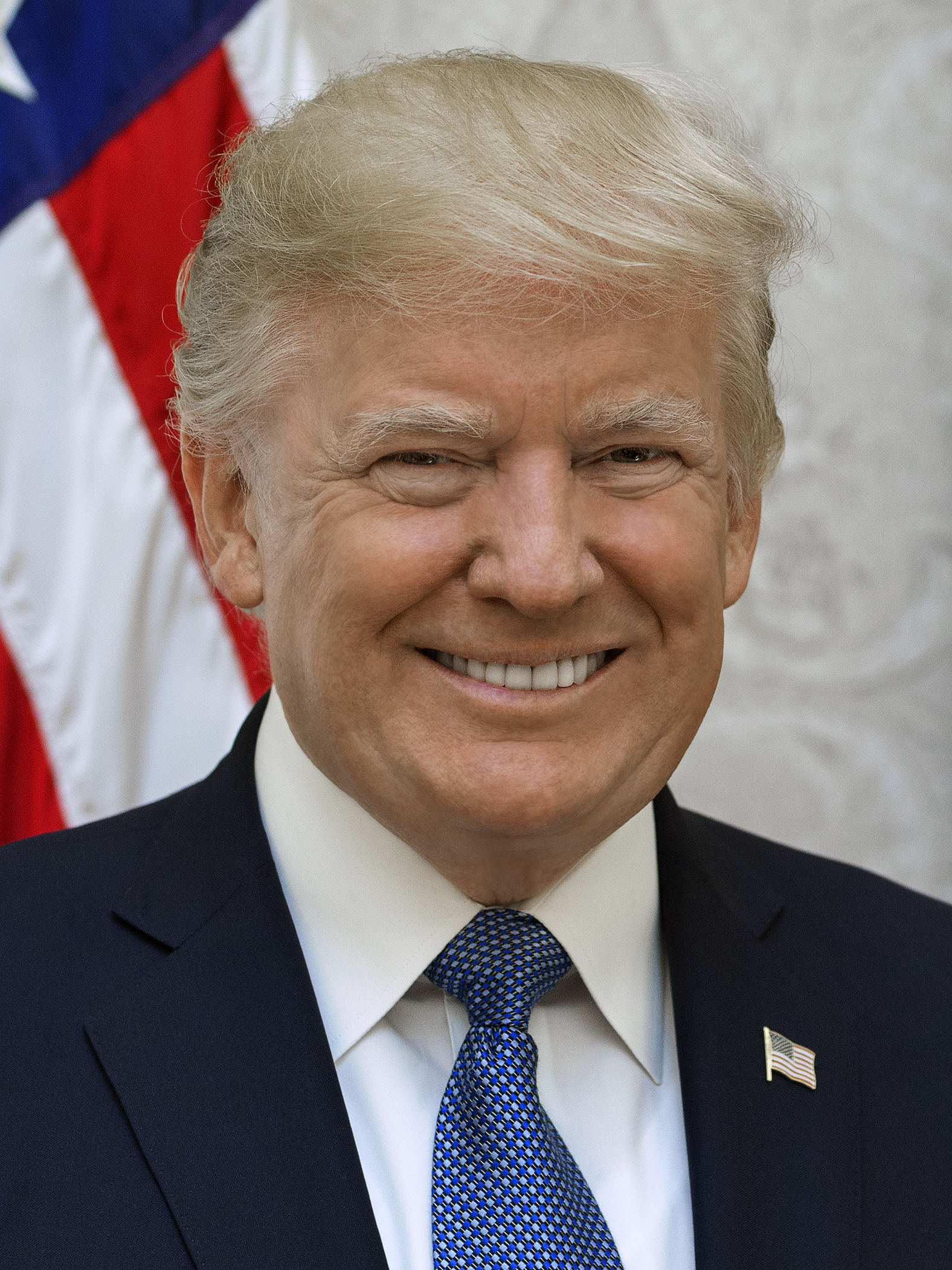
Conservative Party leader Kemi Badenoch also rejected any suggestion that Donald Trump could decide the issue. She said British sovereignty over the Falklands stands “no matter what Donald Trump says,” and compared the reported line of thinking to Trump’s past remarks about Greenland.
Nigel Farage, a frequent Trump ally and leader of Reform U.K., took the same position. He wrote that the Falklands “are and will always be British.”
What the reported Pentagon email said
According to Reuters reporting cited by The Hill, an unnamed U.S. official said an internal Pentagon email outlined options for the U.S. to review its position on “imperial possessions,” including the U.K.’s possession of the Falklands near Argentina.
The reported email appeared in the context of possible reprisals against NATO allies that did not support U.S. military action in Iran. That is why the Falklands reference drew attention in London: it placed a long-running sovereignty dispute inside a separate argument over alliance cooperation.
That distinction matters. A reported review option is not the same as a formal policy decision. The reporting does not show that the U.S. has adopted Argentina’s position, nor that it has formally withdrawn recognition of the U.K.’s administration of the islands.
Washington left the question open
The White House did not give The Hill a detailed answer and referred questions to the Defense Department.
Pentagon press secretary Kingsley Wilson said the department would make sure Trump had “credible options” so allies would do their part. The comment confirmed a broad effort to present options to the president, but it did not confirm a decision on the Falklands.
According to The Hill, the current U.S. State Department description refers to the Falklands as administered by the U.K. and claimed by Argentina. That formulation leaves diplomatic space, but it is not the same as active U.S. support for transferring sovereignty.
Argentina and the 1982 shadow
Argentina has never accepted British sovereignty over the islands, which it calls the Malvinas. Its claim predates the current dispute over NATO and Iran.
Argentine President Javier Milei said in a radio interview shared on X that his government is doing “everything humanly possible” so the Malvinas return to Argentina. Milei has also sought closer foreign-policy alignment with the United States, according to congressional research on Argentina.
The historical context is why the issue lands so sharply in Britain. In 1982, Argentina invaded the islands, Britain sent a naval task force, and British control was restored after the Falklands War.
There is no reported invasion now and no indication in the available reporting that Britain and Argentina are on the brink of armed conflict over the islands. The present dispute is diplomatic and political: whether a sovereignty issue Britain regards as settled could be pulled into pressure tactics among allies.
NATO pressure widened the alarm
The reported Falklands option was not the only pressure point described in accounts of the internal discussions. Reports also described possible action involving Spain’s NATO status after disputes over allied support, bases and overflight rights connected to the Iran conflict.
A NATO official told The Hill that the alliance’s founding treaty does not include a provision for suspending or expelling a member. That makes any such step legally and institutionally complicated, even apart from the politics.
Spanish Prime Minister Pedro Sánchez said Spain is a reliable NATO member and that his government works from official documents, not emails. He said Spain supports cooperation with allies within the framework of international law.
The NATO angle helps explain why the Falklands reference produced such a fast response. If territorial questions are discussed alongside disputes over military cooperation, allies are likely to treat even internal options as politically significant.
Chagos shows the wider sensitivity
The Falklands row also sits near another British sovereignty dispute: the Chagos Islands. Badenoch mentioned the Falklands and Chagos together when saying Britain must be determined in protecting sovereign territory.
The U.K. had moved toward transferring the Chagos Islands to Mauritius, though that process has been paused. The issue has already caused friction because the deal angered Trump.
The cleanest reading is limited but serious. The Falklands are not suddenly back in the circumstances of 1982, and no U.S. policy change has been confirmed. But a reported internal review option was enough to trigger a cross-party British response because it touched sovereignty, self-determination and the credibility of alliance commitments at the same time.










Leave a Reply