
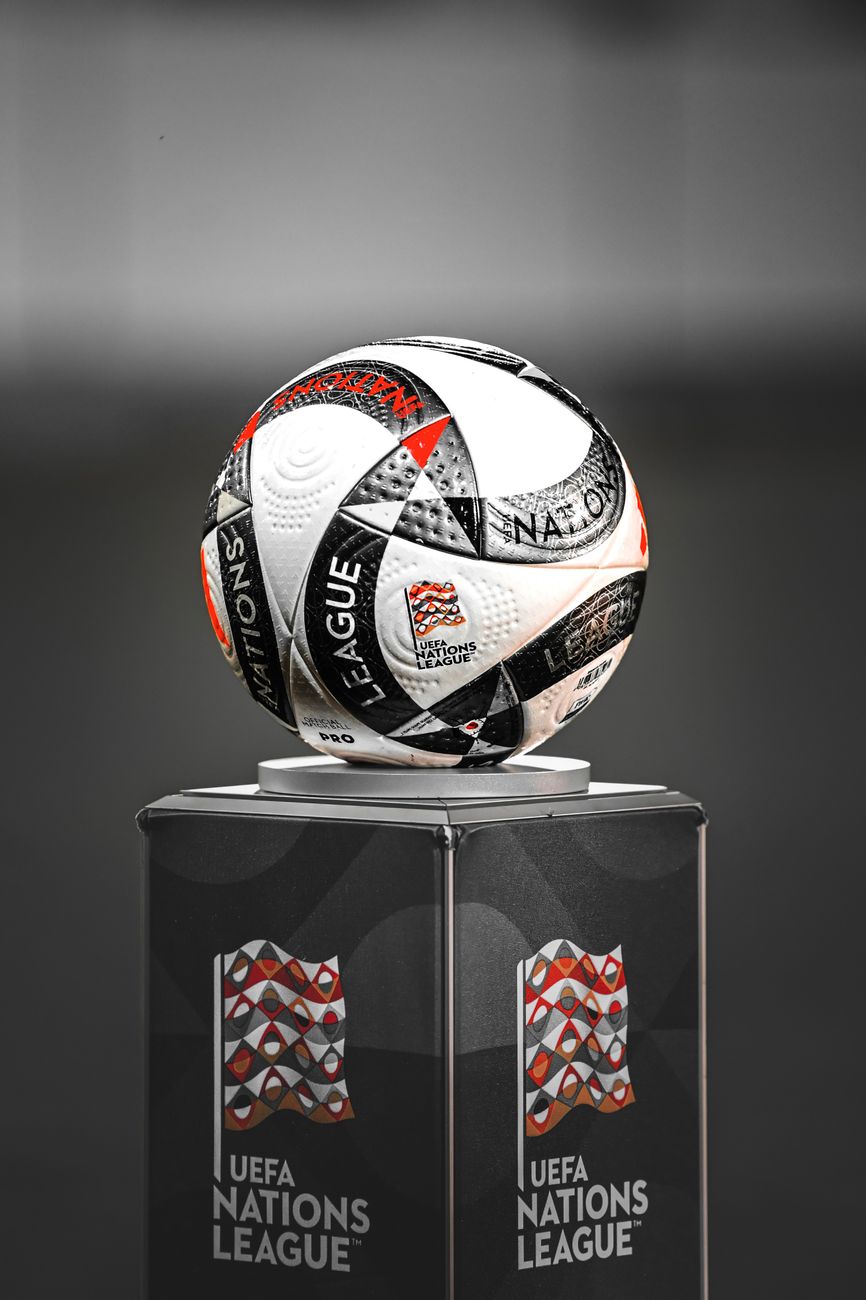
The proposal would shift commercial operations for FIFA’s biggest events into a new company while bringing private capital into the sport’s most valuable global properties. Supporters see a funding boost; critics see a governance line being crossed.
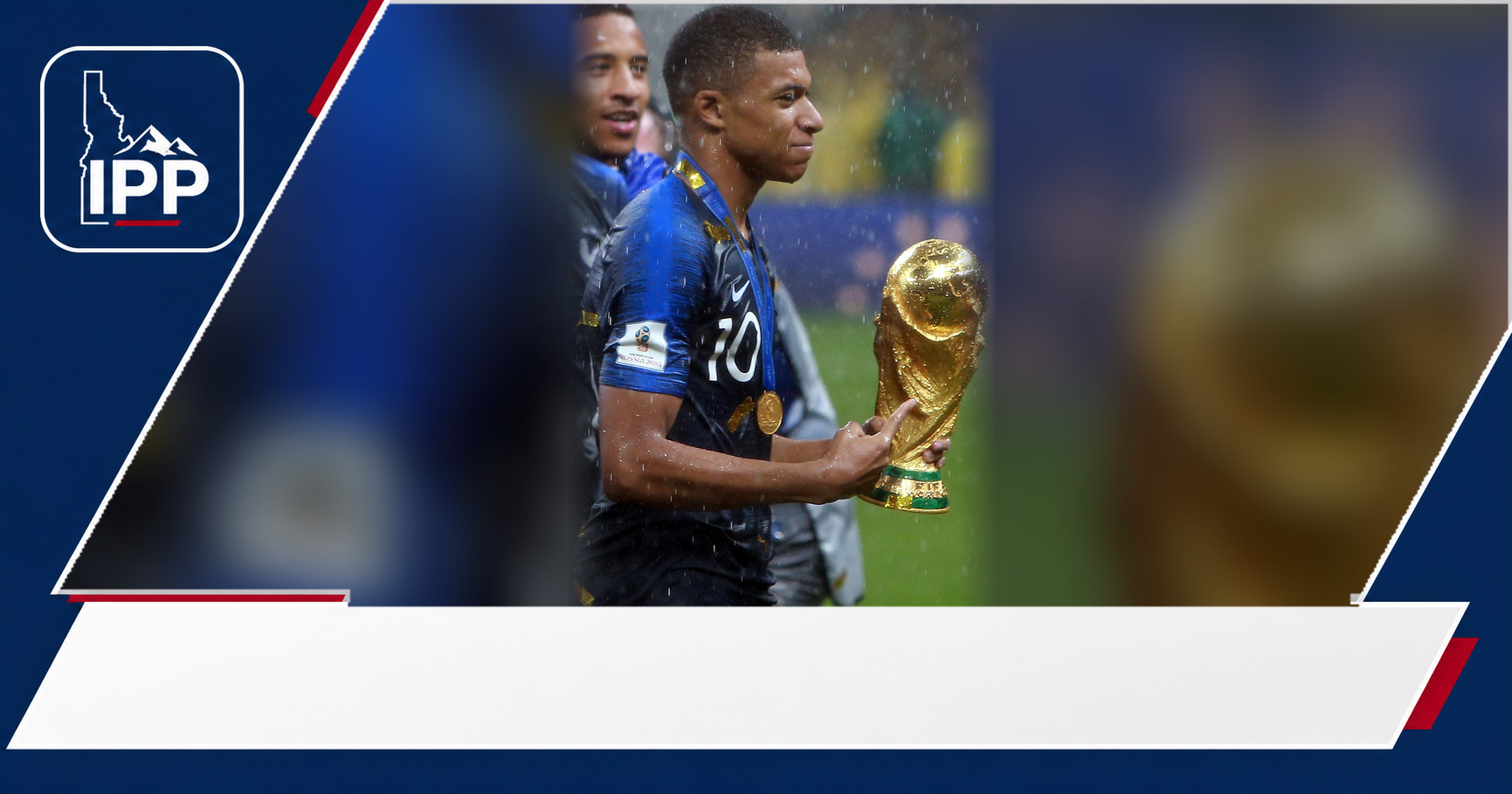
FIFA plans to sell a stake in its tournament business, and the plan has drawn widespread criticism after Tuesday’s proposal to create a new commercial subsidiary for its biggest events. FIFA wants its 211 member associations and 37-member council to approve FIFA Forward Enterprises, then invite private investors to buy a minority stake — around 20%, reported by The Athletic as up to 21% — to raise $4.2bn for development funding. UEFA has objected, while confusion around the figures should not turn a $20m-per-association pitch into a $20 billion sale.
The fight is less about whether world football needs more money than about who gets a claim on the World Cup’s commercial upside — and who watches the watchers once outside capital is inside the tent.
The asset FIFA wants to unlock
At the center of the proposal is a new company called FIFA Forward Enterprises, or FFE. According to FIFA material described by The Athletic, FFE would take over commercial operations for FIFA’s main events, including the World Cup and Club World Cup, while FIFA would remain the global governing body and keep a majority stake.
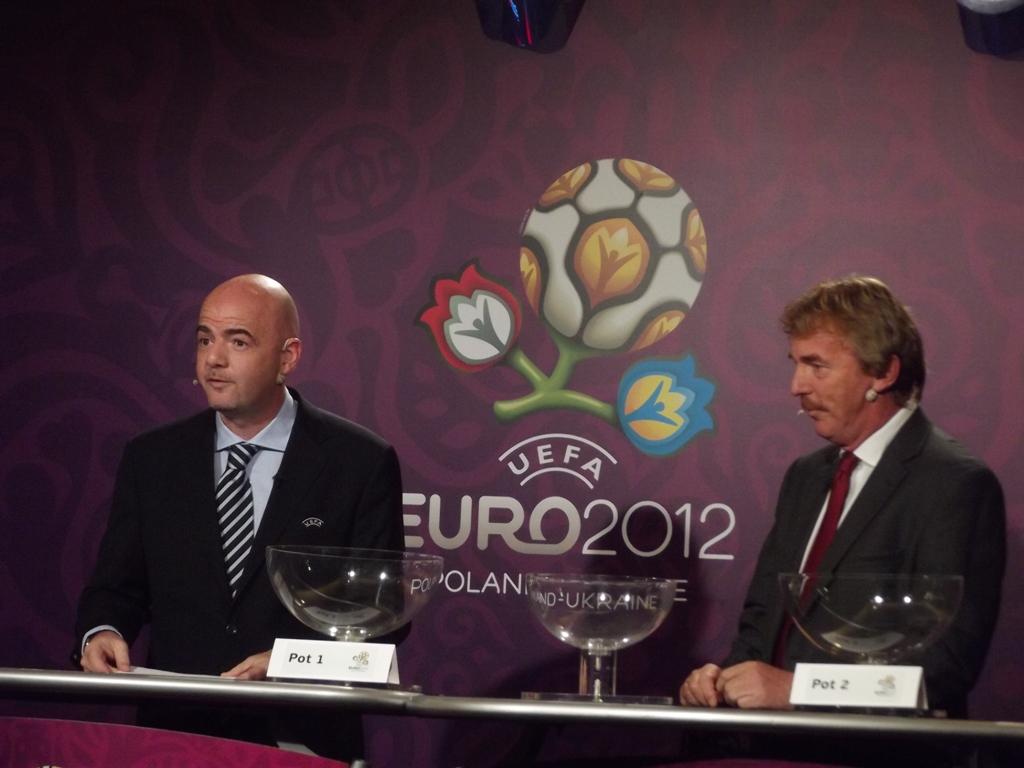
That distinction matters. FIFA is not proposing to sell the World Cup itself, and it is not proposing to hand over governance of the sport. The sale would be a minority interest in the commercial engine around major tournaments: sponsorship, media-adjacent rights, hospitality-style revenue streams and other event-related business operations.
Still, critics argue that the commercial engine is not some side business. The World Cup is the most valuable property FIFA controls. Once investors own a slice of the company that monetizes it, those investors will expect returns, influence, or both.
FIFA’s pitch is that a focused business arm can grow revenue faster and distribute more money to national associations. The concern from opponents is that the structure could blur a boundary football has long claimed to defend: the difference between stewarding a public sporting institution and packaging it for private profit.
How the money would move
The headline number is $4.2bn, the amount FIFA hopes to raise by selling the minority stake. The plan reported by The Athletic says that cash would support a new FIFA Fast-Forward Programme, designed to release money quickly to member associations for special projects.
The proposal sits alongside a broader increase in FIFA development funding. The Athletic reported that FIFA’s total development funding would top $10bn over the next four years under the plan. Each member association could draw an optional $20m for exceptional and immediate projects, while regular Forward Programme grants would also rise.
- FIFA’s current regular grants are reported at $8m per association for the cycle.
- The proposal would raise those grants to $20m in the next four-year period.
- They would then climb to $22m for 2031-34 and $24m for 2035-38, according to the reported plan.
That is why the proposal may appeal to many of FIFA’s 211 member associations. For smaller football nations, FIFA grants can represent a major share of operating income. A guaranteed or expanded funding stream can pay for pitches, women’s programs, youth development, training centers and administrative capacity.
But that same incentive is part of the criticism. If the associations voting on the structure are also the immediate beneficiaries of the payout, skeptics will ask whether the process can fully test long-term governance risks.
UEFA says a line is crossed
UEFA’s response has been blunt. In a statement released before FIFA confirmed the plan, European football’s governing body said the proposal “crosses a line that football’s governing institutions should never cross.”
UEFA also framed the issue as one of ownership and accountability, saying: “The soul and governance of football are not assets to trade — especially with zero transparency as to who gains financially. None of us are the owners of football. It is not FIFA’s to sell.”
Hans-Joachim Watzke, vice-president of the German Football Association, told Kicker that many in European football see FIFA’s plan as “an absolute attack on football,” adding that he shares that view. His warning was political as much as philosophical: if European football stands together against the plan, it carries weight.
The criticism is not confined to Europe. Concacaf said it was made aware of the matter through media reports and then a media release, and said it was “deeply concerned by the lack of due process.” The Asian Football Confederation also said it was disappointed that such a significant matter entered the public domain before its members had examined it through established governance channels.
Investors raise transparency questions
The plan’s investor side is another flashpoint. The Athletic reported that JP Morgan has been FIFA’s chief adviser on the project and that Thrive Eternal, a long-term investment vehicle set up by Joshua Kushner, is expected to lead the proposed investor group. Apollo Sports Capital was also described as a likely backer.
The names matter because football politics is sensitive to perceived conflicts, opaque financing and private-equity influence. Critics are likely to scrutinize who gets access, how returns would be structured, and whether sovereign wealth funds or politically connected capital could eventually enter the ownership mix.
FIFA president Gianni Infantino has cast the idea in development terms. In FIFA’s release, he described football as “an extraordinary engine of human and social development” and argued that its commercial value should be shared more evenly around the world. He called the approach part of the “democratisation of football worldwide.”
That argument has force in many parts of the game. The World Cup generates global wealth, but the football economies of smaller nations often remain fragile. The hard question is whether selling a stake in future tournament business is the best way to redistribute value — or whether it creates a permanent obligation to investors for a one-time cash injection.
Why this is bigger than one sale
FIFA has tried before to bring outside capital into its expanding competition strategy. Infantino previously pursued a major investment concept involving SoftBank-backed money for an expanded Club World Cup and a global nations competition. That effort did not land as originally envisioned.
The current proposal arrives in a different sports-business climate. Private capital is already deep inside clubs, leagues, media rights and stadium projects. Formula One’s commercial transformation is often cited in boardrooms as proof that tighter packaging and professionalized promotion can unlock value.
But national-team football is not a normal entertainment product. The World Cup depends on public trust, national associations, players released by clubs, government cooperation, supporters and a claim to sporting legitimacy. Turning part of its commercial future into an investable asset tests how far that ecosystem can be financialized before the backlash becomes bigger than the funding promise.
There is also a timing issue. According to The Athletic, Infantino told associations a decision must be made by September 19 for future funds to be available from January 1. That gives supporters a practical deadline — and critics a reason to argue the process is moving too fast for something this consequential.
What remains unresolved
The biggest unanswered question is the exact shape of investor rights. A minority stake can be passive, or it can come with board seats, veto powers, information rights and contractual protections that influence strategy. The difference is crucial.
It is also unclear how FIFA would manage conflicts between its role as regulator and its role as majority owner of a commercial company with outside shareholders. If investors push for more events, higher prices or more aggressive monetization, FIFA would need to prove sporting decisions are not being distorted by financial pressure.
For now, FIFA is offering a simple promise: more money, faster, for national football associations around the world. Opponents are offering an equally simple warning: some assets are too central to the game’s identity to sell even in part.
The vote will test which message carries more power inside FIFA’s electorate. The money is immediate and concrete. The governance risk is harder to price — which is exactly why the argument is getting so heated.



Leave a Reply