
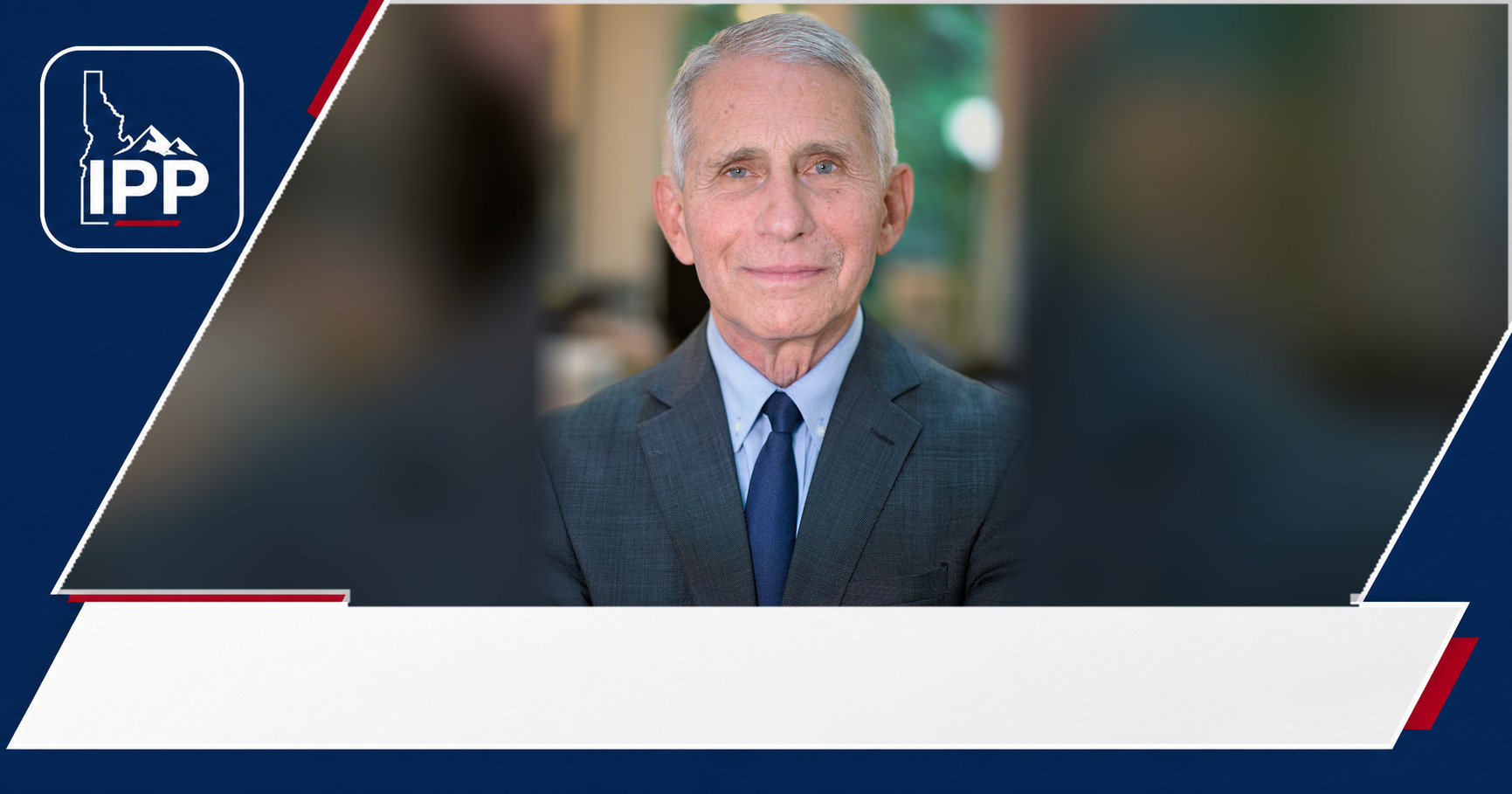
The issue is not just whether a prize nomination was appropriate. It is how federal science agencies handle relationships between powerful officials, grant-funded researchers and public trust.
Scientists who nominated Anthony Fauci for prize money later received millions in NIAID funding, according to a Washington Examiner report circulating on MSN. The allegation centers on Fauci, the scientists who nominated Fauci for prize recognition, and the National Institute of Allergy and Infectious Diseases, the federal institute Fauci led for decades.
The report raises questions about a possible conflict of interest: whether researchers who supported Fauci’s prize nomination also had funding ties to the agency he ran. It does not, by itself, prove that any grant was improper or that Fauci directed money as a reward.
The allegation now drawing attention
The core claim is narrow but politically potent. Scientists who put Fauci forward for prize money later received millions in funding from NIAID, the National Institute of Allergy and Infectious Diseases, according to the Washington Examiner item highlighted in the news feed.
That framing matters because Fauci was not simply a famous public health figure. He was the longtime director of NIAID, one of the National Institutes of Health’s major research arms, and his office sat at the center of federal funding decisions for infectious disease and immunology research.
The allegation lands in a broader fight over pandemic-era decision-making, public health authority and the independence of federal science. Fauci remains a symbolic figure for both defenders of expert-led health policy and critics who say federal health agencies operated with too little outside scrutiny.
For readers, the key distinction is this: a funding relationship can create an appearance problem even when no rule was broken. The public question is whether the relationships were transparent, reviewed and handled in a way that protects confidence in federal grantmaking.
What is known so far
The extracted record identifies three central facts: Fauci was nominated for prize money; the scientists involved in that nomination later received millions in NIAID funding; and the sequence has prompted conflict-of-interest questions.
The available research brief does not identify the scientists by name, the prize, the exact dollar amounts, the grant dates or the internal NIAID officials who approved the funding. Those details matter because federal biomedical grants often take years to apply for, review, renew and distribute.
Without those specifics, the public evidence supports scrutiny, not a final judgment. A researcher can receive NIAID funding because a peer-review process ranked a proposal highly, because a grant was renewed from earlier work or because a project aligned with agency priorities. A nomination for an award, by itself, does not establish a quid pro quo.
Still, the reported overlap is enough to raise a legitimate transparency question. When scientists publicly support a powerful agency leader for a cash prize and also depend on that leader’s institute for research money, readers are entitled to ask what disclosures were made and whether safeguards were followed.
Why NIAID funding carries weight
NIAID is part of the National Institutes of Health and funds research on infectious diseases, immune disorders and related public health threats. Its grants can support university laboratories, clinical studies, disease surveillance and long-term scientific careers.
That makes NIAID money more than a budget line. In academic science, federal grants can determine whether a lab hires staff, publishes work, attracts students, wins tenure support or survives between funding cycles.
Fauci’s role adds another layer. He led NIAID from 1984 until his retirement from federal service in 2022, making him one of the most influential public health officials in the United States. During the COVID-19 pandemic, his visibility made him a household name and a political target.
Because of that stature, any overlap between honors, endorsements and agency-backed research funding is likely to receive scrutiny. Even routine grant awards can look different when they involve people connected to a high-profile official’s personal recognition.
The conflict question is complicated
Conflict-of-interest debates often turn on more than whether money changed hands. They can involve professional loyalty, reputation, access, future funding expectations and the appearance that insiders receive favorable treatment.
In this case, one concern is reputational: scientists who stood to receive or later received NIAID support helped nominate Fauci for a prize with financial value. Critics may view that as a circle of mutual benefit involving a powerful grant-making institution and its research community.
A competing view is that top scientists often nominate leading figures for awards because they know the field best. In specialized biomedical research, the same researchers who understand a leader’s contributions may also be funded by the federal institute that supports their discipline.
That overlap is not automatically suspicious. It is common for major research communities to be tightly networked. The question is whether the nomination process required disclosures, whether the prize committee knew about relevant relationships, and whether NIAID grant decisions were insulated from personal influence.
What would clarify the matter
The most useful next step would be documentation. That includes the prize nomination materials, disclosure forms, NIAID grant records, award dates, review summaries and any ethics guidance provided to Fauci or the nominators.
Several questions remain unresolved from the extracted material:
- Which scientists nominated Fauci, and what institutions employed them?
- What prize was involved, and how much money did it carry?
- Were the NIAID grants new awards, renewals or previously planned funding?
- Did Fauci have any role in the specific grants awarded to those scientists?
- Were the nomination and funding relationships disclosed to the prize organization or ethics officials?
Those details would separate an appearance-of-conflict story from a stronger allegation of improper influence. They would also help readers judge whether the funding was ordinary agency business or something that deserved additional review.
Federal grantmaking typically includes peer review and administrative layers, but agency leadership can still shape priorities, budgets and program direction. That is why ethics systems focus not only on direct intervention but also on perceived conflicts that could undermine confidence.
The larger trust problem
This story is gaining traction because trust in public health institutions remains fragile. COVID-era disputes over school closures, masking, vaccine policy, lab-leak questions and government messaging left many Americans skeptical of elite scientific institutions.
Fauci’s defenders argue that years of attacks have blurred fair oversight with political harassment. They see many allegations against him as part of a broader campaign to discredit public health experts who made difficult decisions during a fast-moving crisis.
Critics counter that public health officials wielded extraordinary influence and should face close examination, especially when private honors, federal funding and institutional prestige intersect. In their view, transparency is not harassment; it is the price of public authority.
Both positions can be true in part. Scientists and former officials should not be smeared without evidence. At the same time, agencies that distribute billions in public research dollars should be able to show that honors, friendships and professional networks did not shape funding outcomes.
The takeaway for now
The reported link between Fauci’s prize nomination and later NIAID funding to the nominating scientists is a transparency issue, not a proven scandal based on the information currently available.
The responsible reading is cautious: the sequence raises fair questions about disclosure and institutional safeguards, but it does not establish that Fauci rewarded supporters or that NIAID grants were improperly awarded.
What matters next is whether more records emerge. If grant documents and ethics disclosures show normal review channels, the story may remain an appearance-of-conflict dispute. If they show personal intervention, undisclosed financial ties or special treatment, the stakes would become much higher.
For now, the case is another reminder that public science depends on more than technical expertise. It depends on visible rules, clear disclosures and a funding process the public can understand and trust.





Leave a Reply