
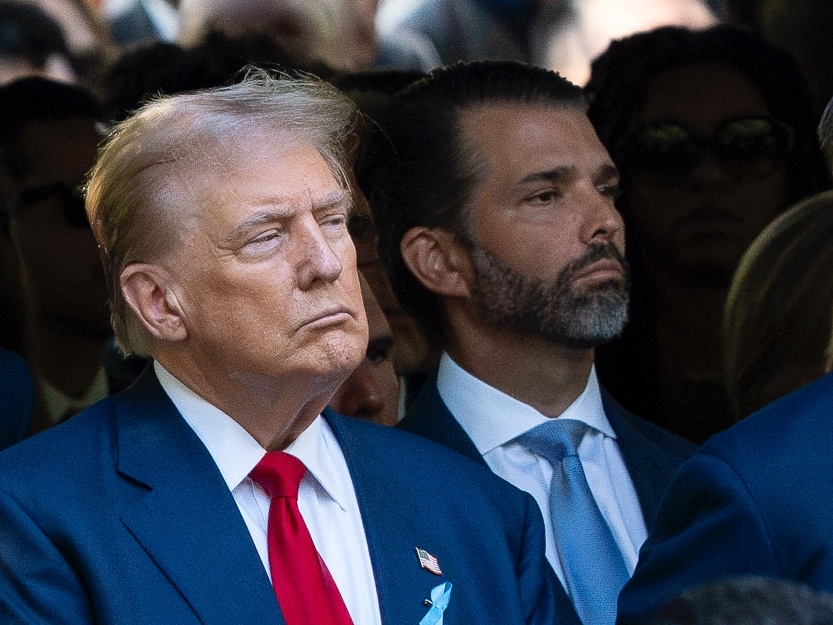
The latest flare-up shows how personal allegations can become durable political storylines online. It also reopens questions about double standards, evidence and rumor warfare around high-profile political families.
Donald Trump Jr. is responding to recurring rumors that he is a cocaine addict, with a July 23 Dagens.com US item distributed on MSN saying Trump Jr. publicly reacted to accusations that he is the “biggest cocaine addict.” The claim is unproven, and this article explains the long-running drug rumors around Donald Trump’s eldest son rather than treating them as fact.
That distinction matters because the allegation has become part of a familiar political-media cycle: a viral claim surfaces, the target pushes back, and the fight over whether the rumor is fair becomes its own story.
The allegation remains unproven
The most important point is also the simplest: the cocaine-addiction claim against Donald Trump Jr. is an allegation, not an established fact. The extracted source material does not provide evidence substantiating that he is addicted to cocaine.
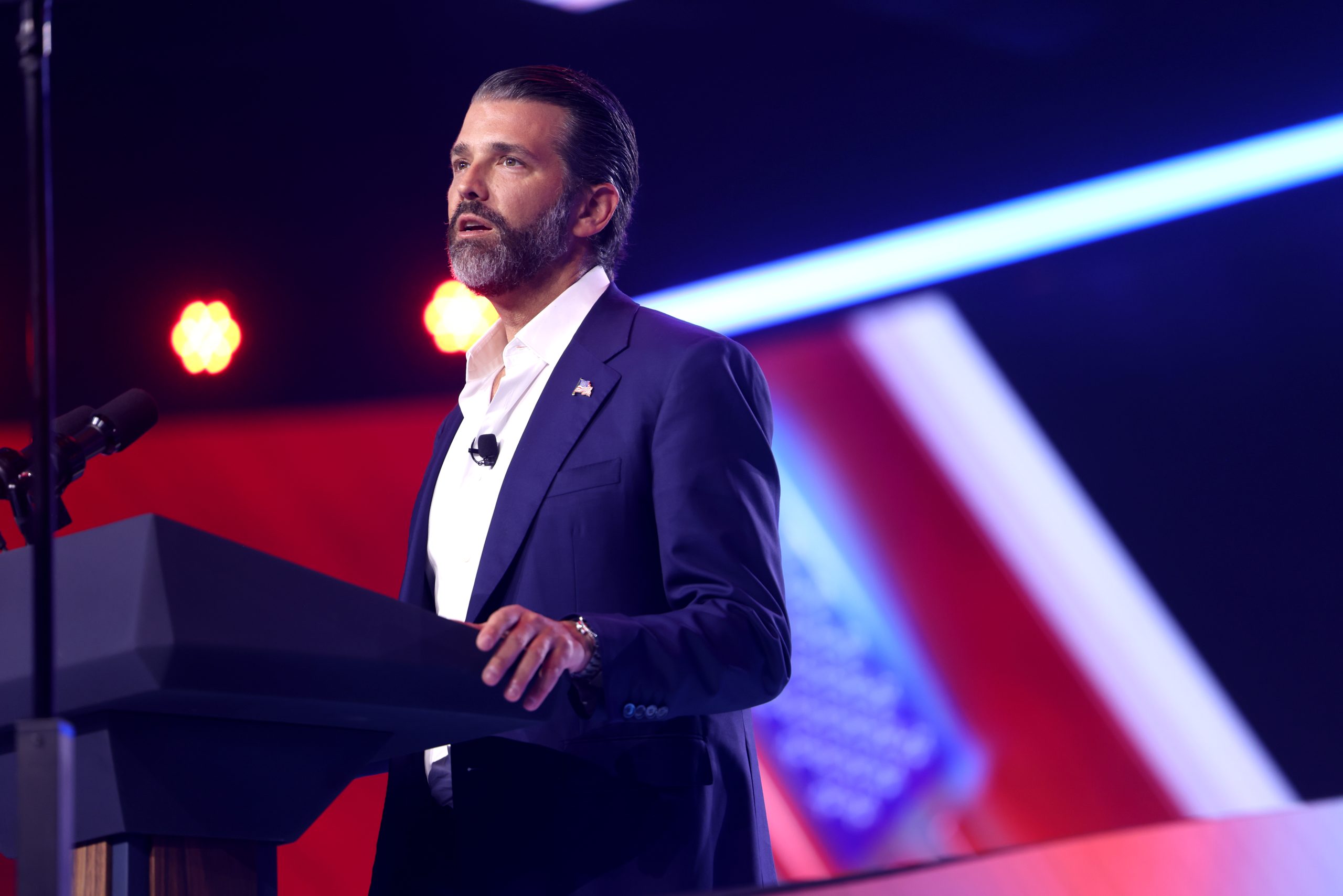
The Dagens.com US item, carried through MSN, framed the story around Trump Jr.’s reaction to recurring rumors. It did not, in the available extracted brief, provide medical records, legal filings, firsthand documentation or other proof that would verify the claim.
That matters because addiction is a health-related and personal allegation. Public figures can be criticized sharply for politics, business dealings and statements, but claims about drug use require care, attribution and evidence.
In this case, the verified news value is not that the allegation is true. It is that Trump Jr. is publicly pushing back against a rumor that has followed him for years in social media and political commentary.
Why the rumor keeps returning
The rumor has persisted because Trump Jr. occupies an unusual space in American politics. He is not just a family member of Donald Trump; he is a campaign surrogate, media personality and ideological gatekeeper for parts of the MAGA movement.
The Wall Street Journal has described him as a powerful figure in Trump-world, portraying him as the eldest son with influence over who gets trusted inside the movement. That visibility makes him a frequent target for both political criticism and personal attacks.
Online, the drug rumor has often been attached to appearances, speaking style, facial expressions or clips shared without context. Those are weak forms of evidence. They can generate attention, but they do not prove addiction.
Trump Jr. has addressed similar speculation before. Newsweek reported in 2020 that after unsubstantiated speculation about his appearance during a Republican National Convention speech, he told Fox News that his apparently glassy eyes were caused by “something with the lighting.”
The Hunter Biden comparison lingers
Part of the reason this story travels so easily is that Trump Jr. has used drug-related attacks against a political opponent’s family. Newsweek reported in October 2020 that he referred to Hunter Biden as “Crackhead Hunter” during an appearance on Glenn Beck’s program.
Hunter Biden’s history with addiction has been publicly acknowledged by his father, Joe Biden. During the 2020 presidential debate, Joe Biden said his son had a drug problem, had worked on it and that he was proud of him.
That history creates a political feedback loop. Critics of Trump Jr. point to his comments about Hunter Biden and argue he helped normalize personal attacks about substance use. Supporters of Trump Jr. argue that unproven claims against him are smear tactics meant to retaliate or distract.
Both points can be true in part. Political figures who use harsh personal language may invite scrutiny of their own rhetoric. But that still does not turn an unsupported allegation into a verified fact.
A media fight, not a diagnosis
The latest flare-up is less a medical story than a story about how political identity shapes what people are willing to believe. For Trump Jr.’s critics, the rumor fits a preexisting image of him as combative and performative. For his supporters, the same rumor looks like another example of elite media and online opponents attacking the Trump family.
That divide is why a rumor can survive repeated pushback. Once an allegation becomes a meme, denial often does not end it. Sometimes denial gives the claim a second life by bringing it back into feeds, comment sections and partisan shows.
The wording also matters. A headline saying someone “explodes” over a claim frames the reaction as emotional before readers know what was actually said. That can make the response look like evidence to people already inclined to believe the accusation.
Responsible coverage has to slow that process down. The available facts support saying that Trump Jr. reacted publicly to recurring cocaine rumors. They do not support saying the rumors are true.
What is known and unknown
Based on the extracted research, several points can be separated clearly:
- Known: A Dagens.com US item distributed on MSN reported that Donald Trump Jr. reacted to recurring accusations that he is a cocaine addict.
- Known: The allegation has circulated for years, including after public appearances that drew online speculation.
- Known: Newsweek reported in 2020 that similar speculation around his Republican National Convention appearance was unsubstantiated, and that Trump Jr. blamed lighting for his eyes.
- Known: Trump Jr. has himself used drug-related language against Hunter Biden, according to Newsweek.
- Unknown: The extracted source brief does not include the full text of Trump Jr.’s latest remarks, the platform where he made them or any evidence proving the addiction allegation.
Those limits are not minor. They define what can be reported fairly. Without a full transcript or direct quote from the latest response, it is safer to describe the episode as a public pushback rather than reconstructing his tone or wording beyond what the headline indicates.
The bigger takeaway
The Trump Jr. cocaine-rumor story is a reminder that personal allegations now move through politics with almost no friction. A claim can begin as a joke, a clip, a partisan jab or an anonymous social post, then harden into a recurring narrative.
That does not mean public figures are immune from scrutiny. Trump Jr. is an influential political actor, and his statements, alliances and attacks are legitimate subjects for coverage. But scrutiny is not the same as accepting an unverified medical or drug-use allegation as fact.
The sharper question is how much of modern political media is built to reward the allegation itself. The more inflammatory the claim, the faster it travels. The more famous the target, the longer it lives.
For now, the verified story is narrow but revealing: Donald Trump Jr. is pushing back on recurring cocaine-addiction rumors, the allegation remains unproven, and the controversy shows how quickly personal speculation can become a durable political weapon.


Leave a Reply