
The proposed change is framed as a backlog fix, but it would also reshape when asylum seekers get to explain their cases in person. The biggest question is whether faster referrals mean faster justice or a shifted bottleneck.
DHS is proposing a rule that would allow asylum applications to be referred without an interview, giving USCIS authority to send certain affirmative asylum cases directly to immigration judges. The rule is intended to reduce the backlog in the asylum system, and DHS says the no-interview asylum rule could affect about 132,000 asylum applicants a year.
The change, described in a July 28 Federal Register notice titled Affirmative Asylum Referrals Without Interview, would not apply to every case. But it could reshape a key step in the asylum process for applicants whose filings raise threshold legal issues before an asylum officer ever hears their story in person.
A faster path to court
Under current practice, USCIS generally interviews people who file affirmative asylum applications unless the case is withdrawn, the applicant waives the interview, or the application is dismissed for another reason. The interview is often the first major moment when an applicant explains the claim directly to a government officer.
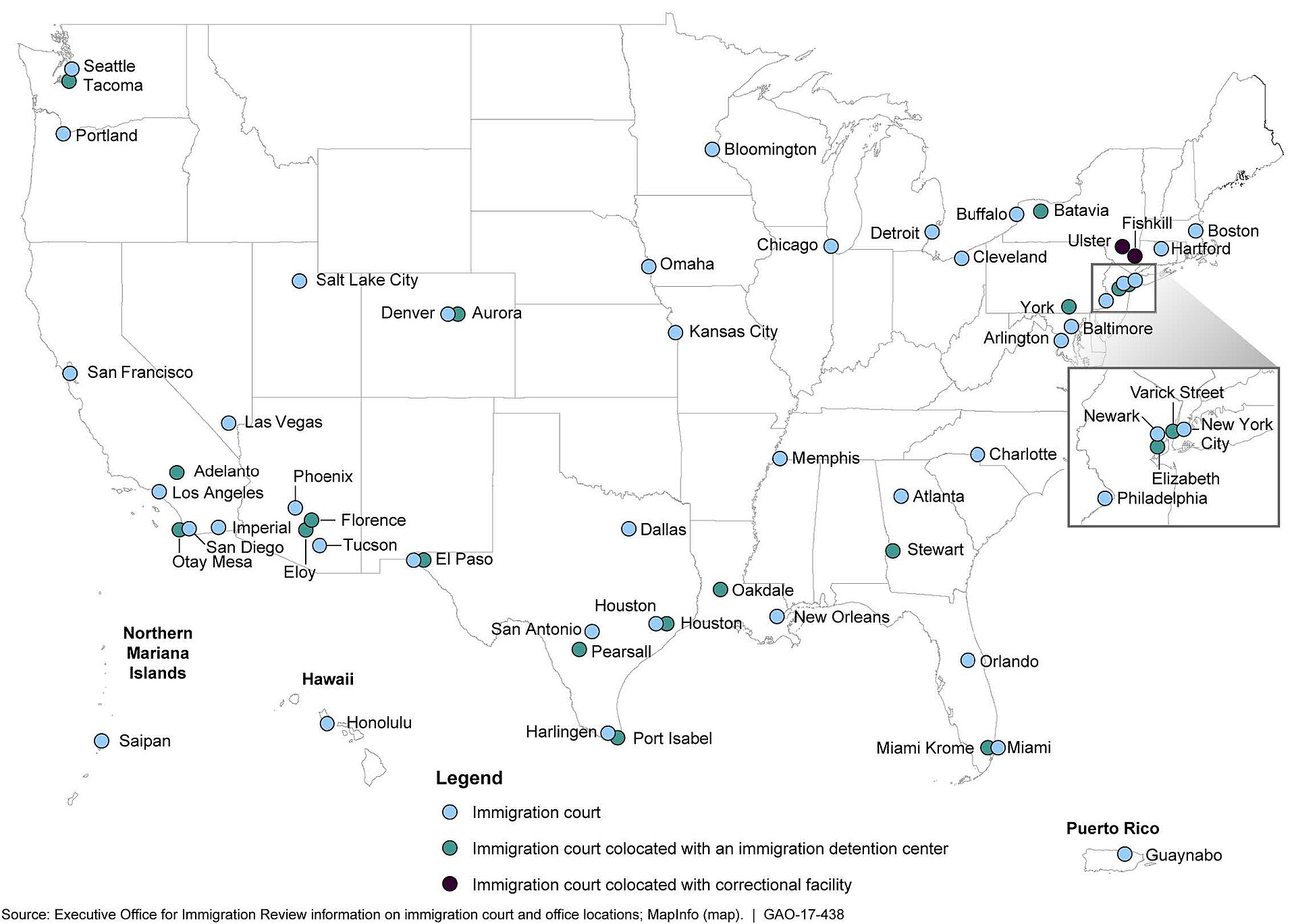
DHS says the new rule would permit, but not require, USCIS to refer certain applications to the Executive Office for Immigration Review, the Justice Department agency that runs immigration courts, without conducting that interview.
That means the case would move from the asylum office track to the immigration court track earlier than it otherwise might. An immigration judge would then control the proceedings, including the length and type of hearing.
The government’s stated rationale is administrative pressure. USCIS has faced a large affirmative asylum backlog, and DHS argues that interviewing every case can consume officer time even when an application appears to have a legal defect that may prevent approval.
Who could be affected
The 132,000 figure is DHS’s estimate of the population that could be touched each year. According to the Federal Register notice, the estimate is based largely on the average number of untimely filed affirmative asylum applications over the past five fiscal years, plus an approximate number of cases where another mandatory asylum bar could potentially apply.
That distinction matters. The estimate is not a prediction that 132,000 people will automatically lose their cases or be ordered removed. It is an estimate of applicants whose cases may fall into categories USCIS could refer without first holding an asylum interview.
One major category is the one-year filing deadline. U.S. asylum law generally requires people to apply within one year of arrival, with exceptions for changed or extraordinary circumstances. Other bars can involve issues such as certain serious criminal conduct, persecution of others, or firm resettlement in another country.
DHS’s proposal focuses on cases where those kinds of threshold issues may be visible from the application, records, or other available information. USCIS would retain discretion; the rule says the agency may refer cases without interview, not that it must.
Why DHS says it helps
DHS’s central argument is that asylum officers should be able to spend more time on cases where an interview is more likely to resolve the claim. If an application appears legally barred, the agency says a full interview may not be the best use of limited resources.
The notice also points to the asylum statute’s goal of fair, orderly and efficient adjudication. DHS argues that the law does not require an in-person interview for every affirmative asylum application and that referral itself is one of the regulatory outcomes available in the asylum process.
In plain terms, DHS is trying to reduce a queue by changing which cases stay in that queue. Instead of using asylum office interview slots on some cases that may end up in court anyway, USCIS could send them to immigration judges sooner.
That may help USCIS, but it does not erase the workload. It moves cases into EOIR, which has its own heavy docket pressures. A faster referral from USCIS can still mean a long wait in immigration court.
The concern for applicants
For asylum applicants, the interview is more than a scheduling step. It can be the first opportunity to explain trauma, clarify dates, correct misunderstandings, and present context that may not be obvious from a written form.
Skipping that step could make timing especially important. DHS acknowledges in the notice that earlier placement into removal proceedings might cause some people to consult or retain legal counsel sooner than they otherwise would have.
The agency says the rule does not create new costs for applicants, but earlier court involvement can change the practical stakes. Immigration court is adversarial, and a person in removal proceedings may face a more formal process than an asylum office interview.
There is also a credibility wrinkle. The Federal Register notice cites the rule that if no adverse credibility determination is explicitly made, an applicant or witness has a rebuttable presumption of credibility on appeal. But if USCIS never conducts an interview, key factual issues may be left for the immigration judge to sort out later.
Not an automatic denial
The most important caveat is that a no-interview referral is not the same as a denial of asylum. USCIS would not be granting the case, but it also would not be issuing a final removal order. The case would go to immigration court, where the applicant can pursue asylum and possibly other forms of protection.
DHS also says the rule would not block USCIS from complying with laws or settlement agreements that require interviews for certain people or groups. That language suggests the agency is trying to preserve flexibility where other legal obligations apply.
Once a case reaches EOIR, immigration judges have broad authority to manage proceedings. The Federal Register notice references Justice Department guidance and Board of Immigration Appeals precedent allowing judges to control the type and length of hearings, including situations where a legally deficient asylum application may not require a full evidentiary hearing.
That is where the efficiency argument becomes most complicated. A case may move faster because it avoids a USCIS interview. But depending on the judge, the court docket, the legal issue and the applicant’s ability to gather evidence, the next stage could be either streamlined or more difficult to navigate.
What remains unclear
The biggest unknown is how aggressively USCIS would use the new authority. Because the rule is discretionary, the real-world effect depends on agency guidance, officer training, screening standards and internal priorities.
Another open question is how the change would affect EOIR’s workload. If USCIS refers a large number of cases earlier, immigration courts may see additional pressure even as asylum offices gain breathing room.
For applicants, the practical takeaway is straightforward: filing timing and legal eligibility issues could matter earlier than before. A late-filed application or a possible mandatory bar may no longer wait for a USCIS interview before the case is routed to court.
DHS is presenting the rule as a backlog tool. Its impact will turn on whether it simply speeds weak or legally barred cases toward judicial review, or whether it also reduces the chance for some asylum seekers to explain complicated claims before their cases become courtroom fights.











Leave a Reply