
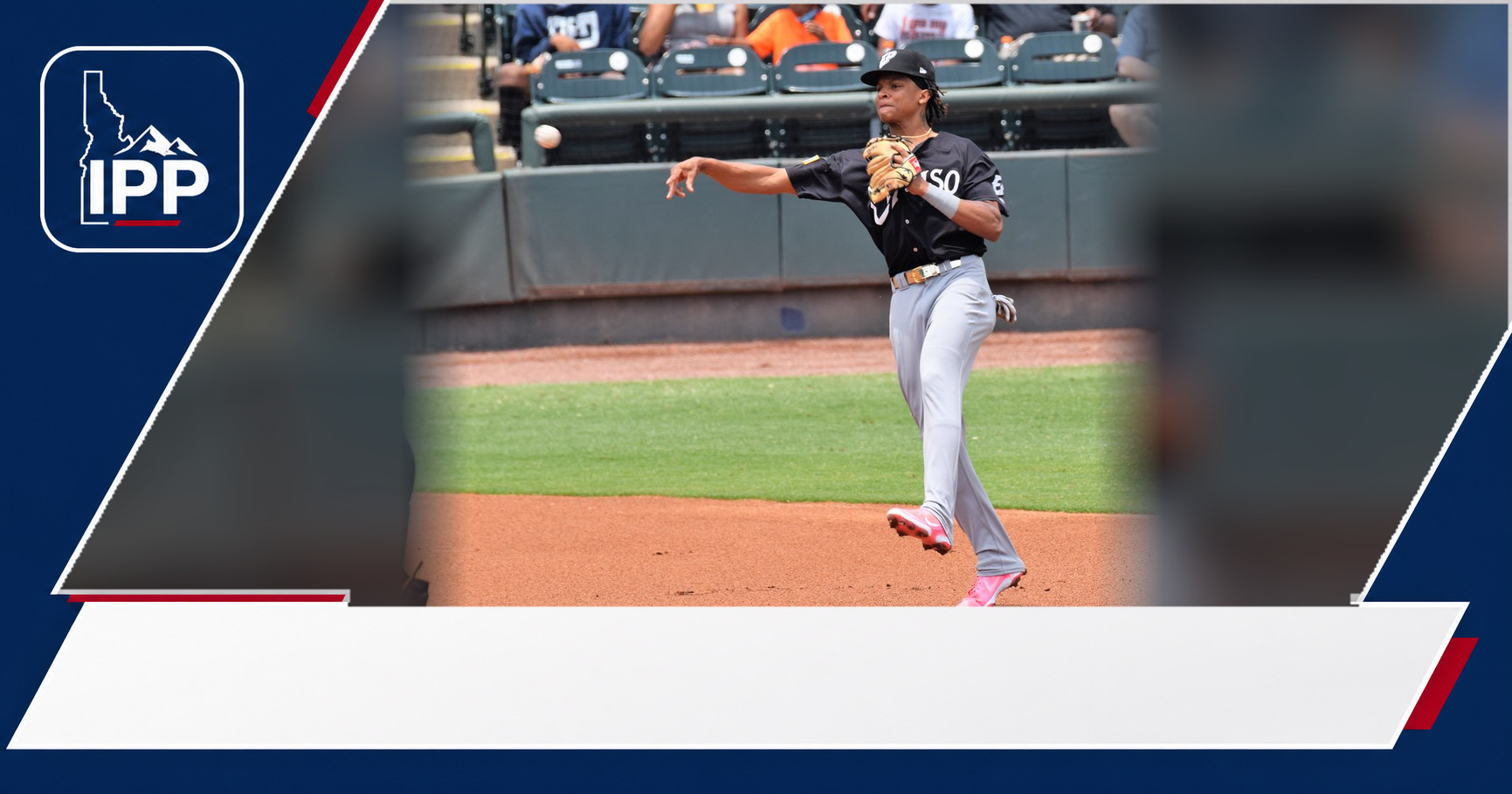
The biggest deadline rumors are less about one blockbuster than about how contenders value control, familiarity and risk. Abrams and Peralta represent very different kinds of bets.
CJ Abrams is drawing trade interest from the Boston Red Sox and New York Yankees, while the Milwaukee Brewers could consider a reunion with Freddy Peralta as MLB trade deadline rumors intensify. The linked names matter because Abrams would be a premium shortstop addition, and Peralta would give Milwaukee a familiar rotation option at a moment when pitching depth can decide October matchups.
For now, these are rumors, not completed deals. FanSided cited USA Today’s Bob Nightengale on the Red Sox and Yankees emerging as possible suitors for Abrams, and ESPN’s Jeff Passan on the Brewers having talked with the Mets about Peralta.
Abrams is the louder domino
Abrams is the kind of deadline target who changes the shape of a market. He is not a rental bench bat, not a late-inning specialist and not a short-term patch. He is a prime-position player having a monster season, with FanSided noting 27 home runs through July and a 156 OPS+.
That explains why the Red Sox and Yankees being tied to him cuts through the usual deadline noise. Both clubs can talk themselves into a need at shortstop. Both also understand the extra tax that comes with trying to acquire a controllable, high-impact player from a division rival’s wish list.
The Washington Nationals do not have to move Abrams. That is the first tension point. A team selling off expiring contracts behaves one way; a team holding a young star with multiple years of control can set a painful price, wait for desperation, or simply walk away.
That is what makes Abrams different from the average trade rumor. If Washington seriously listens, it is not just because contenders are calling. It would be because the Nationals believe the return is strong enough to reshape their own timeline.
Why Boston and New York fit
Boston’s interest is easy to understand if the club views its July surge as a green light. FanSided described the Red Sox as all-in after a 15-game winning streak and pointed to Trevor Story’s injury as a shortstop problem. Abrams would not be a cosmetic upgrade; he would be a lineup and infield solution at once.
The Yankees’ logic is just as direct. Anthony Volpe’s name has become part of the conversation because New York’s shortstop production has left room for a more explosive option. Abrams’ left-handed speed-power blend would add a different kind of pressure to a lineup that is often judged by whether it can survive postseason pitching.
There is also a rivalry layer that front offices cannot publicly admit but fans understand immediately. If Abrams is good enough to help Boston in a Wild Card series, he is also good enough to hurt New York. The reverse is just as true.
That does not mean either team should pay any price. Abrams would likely require real major league value, premium prospects or both. The acquiring club would be buying performance, control and upside, and Washington would know exactly how many teams need what he offers.
Washington holds the leverage
The Nationals’ position may be the most important part of the Abrams rumor. A contender can want a player badly and still be powerless if the seller is not motivated. Washington already made one move with Boston, sending Curtis Mead to the Red Sox for Connelly Early, according to FanSided’s roundup, but Abrams would be a far bigger decision.
Trading a player at peak value can be smart. It can also be the move a rebuilding club regrets for years if the return misses. Abrams’ current season gives Washington a chance to ask for an overpay, but it also gives the Nationals a reason to keep him as a central piece.
The question is not only whether Abrams can help Boston or New York. It is whether the Nationals believe his value is more useful on their roster than in the form of multiple younger assets. That calculation is rarely clean at the deadline, when emotion, standings pressure and public perception all collide.
There is a fair argument on both sides. One side says Washington should not move a star shortstop unless the offer is overwhelming. The other says a hot market for a player at a premium position is exactly when a front office should listen hardest.
Milwaukee’s Peralta question is different
The Brewers-Peralta thread is not about star shopping in the same way. It is about familiarity, need and whether a reunion can make sense after a trade that has not fully delivered for either side.
FanSided, citing Passan, reported that the Mets have been talking with the Brewers about Freddy Peralta. Peralta had been dealt from Milwaukee to New York last winter, with the Brewers receiving Jett Williams and Brandon Sproat. The early results, as described in the report, have been uneven: the Mets are not close to the postseason, while the prospects have not yet met their promise.
Milwaukee knows Peralta better than almost anyone. That matters for a pitcher with a track record, a specific development history and an imperfect current line. FanSided listed his season ERA at 4.99, compared with a career mark of 3.74, which makes this less a simple “bring him home” story than a bet on what the Brewers think they can still unlock.
The Brewers’ rotation numbers also complicate the case. FanSided noted Milwaukee’s starting staff ranked first in baseball by fWAR with a combined 3.42 ERA. On paper, that does not scream desperation. In practice, October teams rarely regret having one more starter they trust.
Depth matters more in October
The strongest argument for Milwaukee is not that the rotation is broken. It is that playoff series punish thin margins. FanSided pointed to injuries to Quinn Priester and Brandon Woodruff as part of the Brewers’ depth concern behind Jacob Misiorowski.
That is where Peralta becomes interesting. He would not need to return as a savior to matter. He could be a stabilizer, a bulk option, a matchup starter or a bridge that prevents Milwaukee from overextending younger arms.
The counterargument is obvious: if Peralta’s performance has slipped, reacquiring him could mean spending assets to chase a memory. Familiarity can be useful, but it can also make a club more forgiving than the numbers justify.
Milwaukee has to decide whether its internal information gives it an edge. If the Brewers believe Peralta’s issues are fixable, a reunion could look sharper than it appears from the outside. If they are merely paying for a name they once trusted, the move becomes harder to defend.
The deadline reality check
The Abrams and Peralta rumors sit in the same deadline ecosystem, but they reveal different pressures. Boston and New York are tied to a player who could change a lineup and a rivalry race. Milwaukee is tied to a pitcher who could deepen a staff for the specific stress of a postseason run.
Nothing is settled. The Red Sox and Yankees can chase Abrams without Washington ever agreeing to a price. The Brewers can talk about Peralta without deciding that his current form is worth the cost. Reports from Nightengale and Passan make the conversations newsworthy; they do not make the trades inevitable.
That is the useful way to read deadline rumors. The names tell fans where front offices are looking, but the price tells the real story. Abrams would require conviction. Peralta would require trust. Both would require teams to accept risk before the market closes.
If either move happens, it will say as much about the buyer as the player. Boston or New York landing Abrams would signal a major win-now push at a premium position. Milwaukee bringing back Peralta would signal that the Brewers believe October depth is worth revisiting an old partnership, even with imperfect numbers attached.







Leave a Reply