

Francesca Hong’s close loss to David Crowley was not a rejection of progressive voters so much as a reminder of the coalition-building challenge ahead. Wisconsin Democrats now face a harder task: uniting after a volatile primary in a state where close elections are routine.
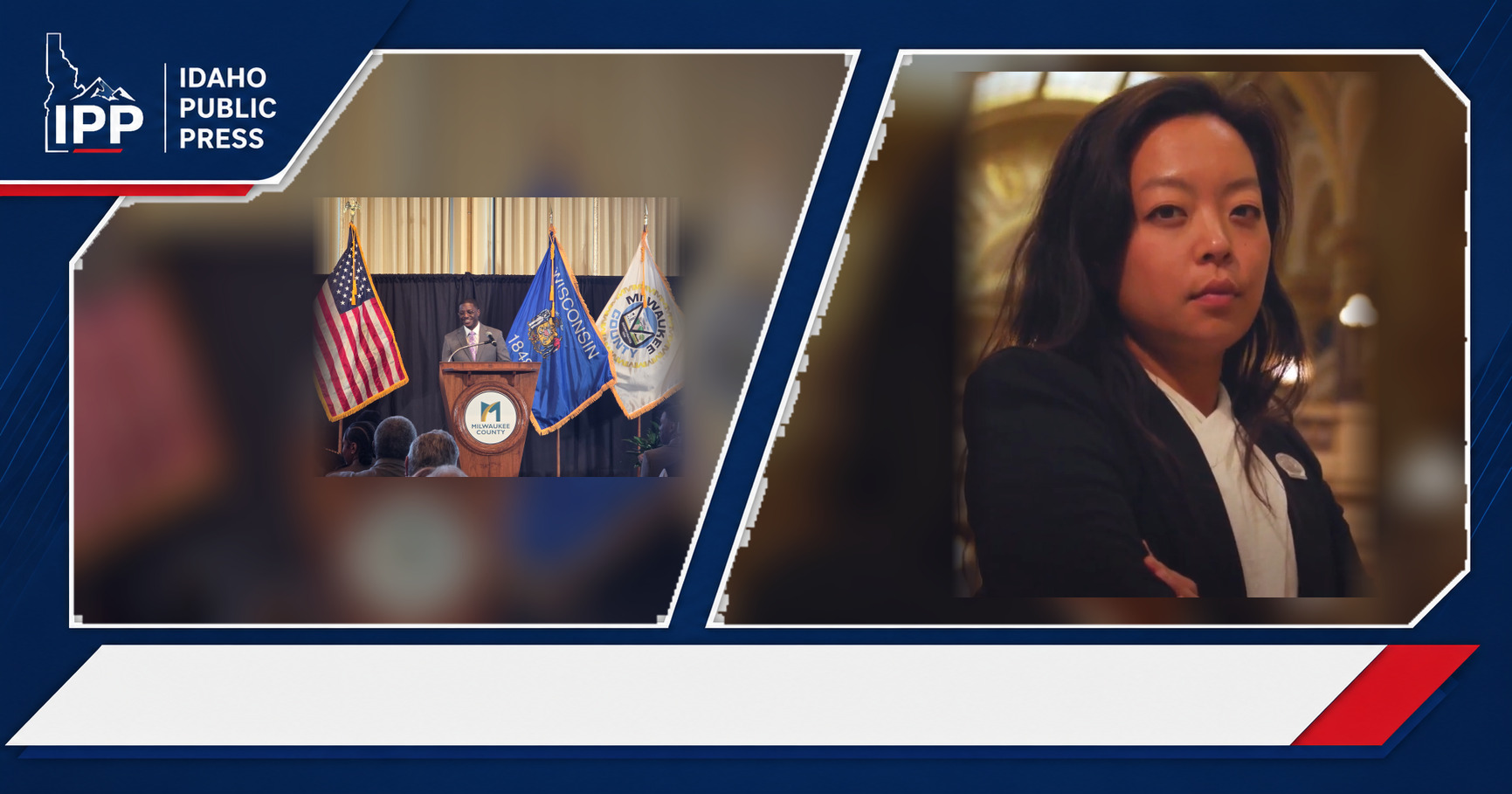
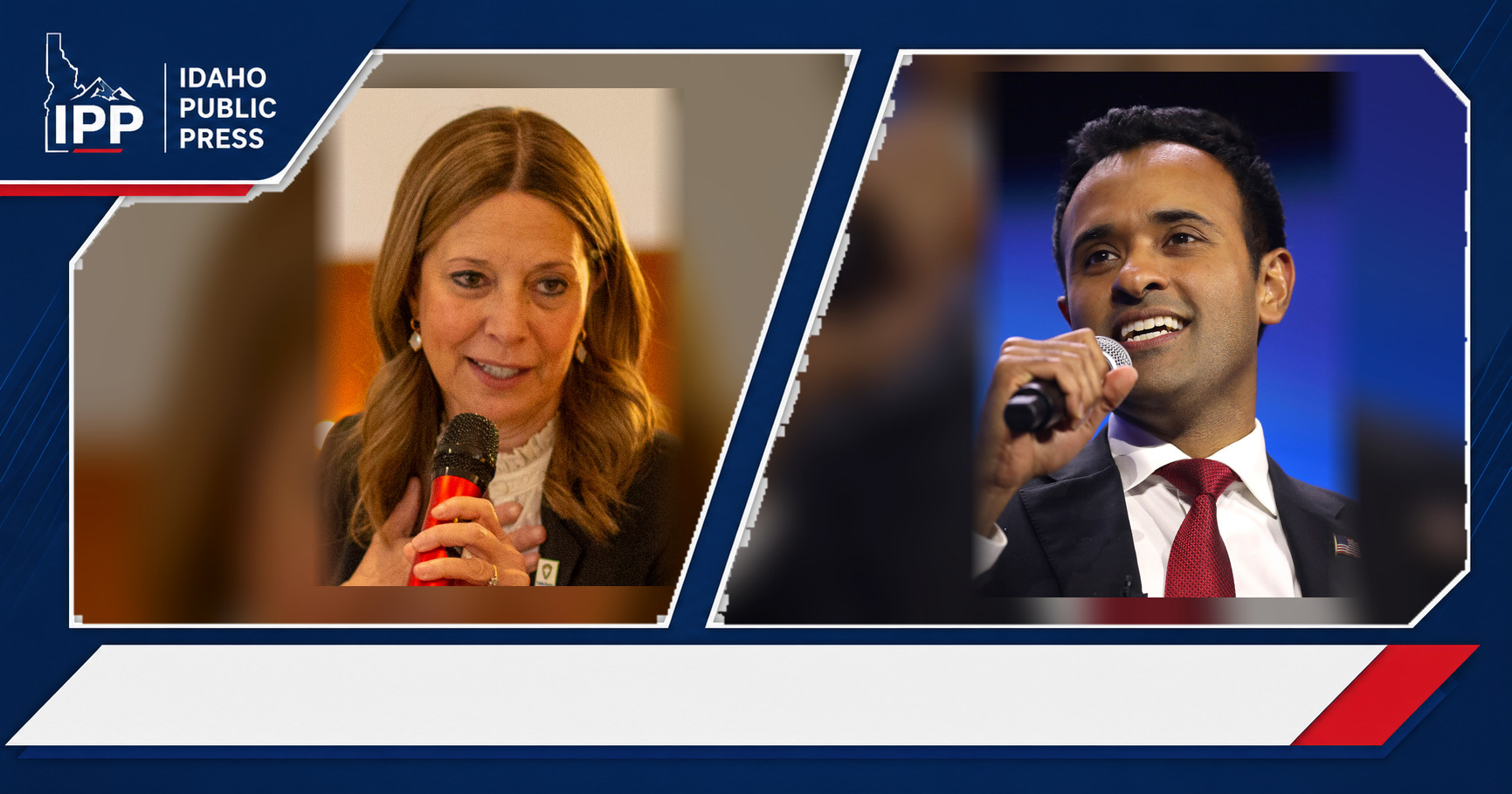
Francesca Hong lost the Democratic primary for Wisconsin governor after David Crowley narrowly defeated the democratic socialist in a race that became a test of the progressive movement’s reach in a pivotal swing state. The close result matters because Hong’s campaign energized voters frustrated with establishment politics, while Crowley argued he was better positioned to win Wisconsin in November.
Calling Hong’s loss an embarrassment would miss the more consequential story. Her defeat exposed a difficult question for progressives: how to turn visible enthusiasm and a strong insurgent campaign into a statewide majority without handing moderates new ammunition about general-election risk.
A close race, not a wipeout
According to the Associated Press, as published by PBS NewsHour, Crowley’s margin was under 1 percentage point. Hong could have sought a recount, but the margin was above 0.25 percentage points, meaning her campaign would have had to pay for one; she conceded instead.
That narrow finish complicates any claim that Wisconsin Democrats decisively rejected Hong’s politics. A democratic socialist came within a fraction of a statewide primary victory in a battleground state, an outcome that points to significant demand for a candidate running against economic pressures, party complacency and Donald Trump’s political movement.
Hong, a state representative and former line cook, built her campaign around free child care, health care and a moratorium on artificial intelligence data-center construction. She also spoke directly to anger over the cost of everyday life, campaign money, immigration raids and U.S. military aid to Israel.
Those issues did not carry her over the line. But the result suggests they cannot simply be set aside by a Democratic Party hoping that a nominee with a more conventional profile can avoid the internal tensions Hong brought into the open.
Crowley made electability the case
Crowley, Milwaukee County executive, presented himself as the Democrat most capable of defeating Republican U.S. Rep. Tom Tiffany in November. He is seeking to become Wisconsin’s first Black governor and emphasized an appeal to Democrats, Republicans and independents.
His campaign manager, Garren Randolph, said after the result that Crowley was focused on bringing people together and earning support from anyone who believes Wisconsin works best when leaders deliver results. That message was aimed at a state where statewide contests are often decided by small margins and independent or moderate voters can be decisive.
For many Democrats, the primary was therefore not only an argument over ideology. It was a wager over matchup. Crowley’s supporters viewed his political profile, Milwaukee-area base and governing experience as assets against Tiffany, who has Trump’s endorsement.
That calculation has a cost. When a party treats an insurgent candidate principally as a risk, it can overlook why that candidate found an audience in the first place. Hong’s support reflected dissatisfaction that will not disappear merely because the primary is over.
Progressive energy met real limits
Hong’s campaign arrived amid recent wins for progressive and democratic socialist candidates, including Abdul El-Sayed’s victory in Michigan’s Democratic Senate primary and New York City primary upsets involving candidates aligned with Mayor Zohran Mamdani. Those results encouraged hopes that a broader movement could translate local energy into statewide victories.
Wisconsin offered a more mixed verdict. Hong proved that an outspoken democratic socialist could run competitively across a politically divided state. Yet Crowley’s win also reinforced the concern among some Democratic officials that positions or past rhetoric seen as too far left may be difficult to defend in a general election.
Hong faced scrutiny over her earlier support for defunding police and old social-media posts criticizing Thanksgiving and Valentine’s Day. At the campaign’s only debate, she said she would not support cutting law-enforcement funding, and she later characterized some past posts as jokes.
Critics can point to those controversies as evidence that Hong carried unnecessary baggage. Supporters can reasonably counter that a close loss cannot be reduced to a few old posts, especially in a chaotic race shaped by candidate withdrawals, endorsements and delayed absentee-ballot reporting in Milwaukee.
National leaders stayed on the sidelines
One revealing feature of the contest was who did not participate. Vermont Sen. Bernie Sanders and New York Rep. Alexandria Ocasio-Cortez, two of the country’s most prominent progressive leaders, did not endorse in the Wisconsin race.
Their absence underscored that the progressive movement is not a single organization with one strategy or one definition of success. Candidates grouped under the progressive banner often share concerns about affordability, corporate influence and Democratic Party leadership, but they do not always have the same policy agenda, coalition or national backing.
Hong nevertheless framed her campaign as the beginning of something larger. As results remained unsettled on election night, she told supporters, “We have built something that will change politics forever.” Her campaign manager, Becky Cooper, said after the concession that the team had made meaningful change for the progressive movement.
Those statements should be measured against the loss, not dismissed because of it. Movements are built through organizations, local candidates and durable voter relationships, not only through one headline race. The unanswered question is whether Hong’s campaign created enough of that infrastructure to matter in Wisconsin’s next contests.
Unity now has to be earned
The immediate political challenge belongs to Crowley. Democrats want to retain the governor’s office after Gov. Tony Evers chose not to seek a third term, while also trying to win both chambers of the Wisconsin Legislature and gain full control of state government for the first time since 2010.
Crowley and Hong both said late in the campaign that Democrats needed to unite against Tiffany. That goal is straightforward in theory, but a tightly fought primary can leave supporters feeling that their priorities were treated as liabilities rather than as part of the party’s future.
Crowley does not need to adopt every position Hong proposed to make a credible unity appeal. He does need to show Hong’s voters that concerns about child care, health care, wages, housing and corporate power will receive more than symbolic acknowledgment after the convention and before Election Day.
Hong’s narrow defeat did not expose an entire movement as hollow. It exposed the work still required of it—and of the Wisconsin Democratic Party. Progressives must prove they can broaden their coalition; Crowley must prove that electability does not mean leaving a highly motivated bloc behind.





Leave a Reply