
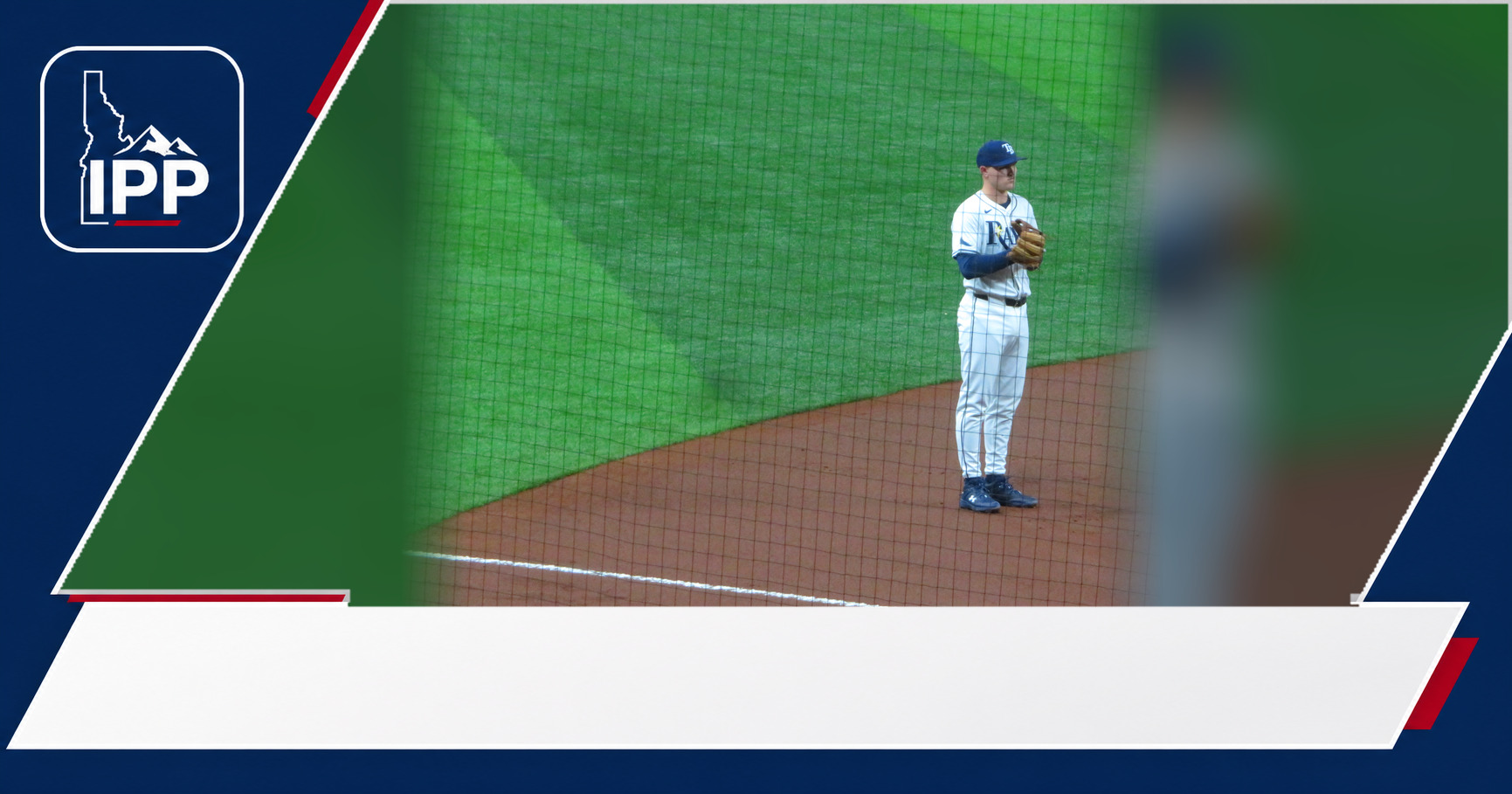
Boston got the best early medical news it could have hoped for. The bigger issue is how much the Red Sox can depend on a newly acquired infielder during a tight playoff race.
Curtis Mead suffered an injury scare in his Red Sox debut Monday night, July 27, 2026. Mead left the game after being hit by a pitch on his left hand or wrist, with the 25-year-old Boston Red Sox infielder taking Athletics pitcher Jack Perkins’ 94-mph fastball in the fourth inning at Sutter Health Park in West Sacramento, near Sacramento; initial X-rays were negative after Boston’s 4-2 win.
The Curtis Mead injury scare did not become the worst-case scenario, at least not right away. That matters because Boston had acquired Mead from the Nationals only two days earlier, and the Red Sox are trying to protect a postseason position while learning what they actually have in their newest infield option.
A scary debut, then relief
The moment looked bad before the medical update sounded better. Mead’s bat flew out of his hands after the pitch, and he grimaced as he made his way toward first base. He was later removed and left with a trainer, according to reports from the game.
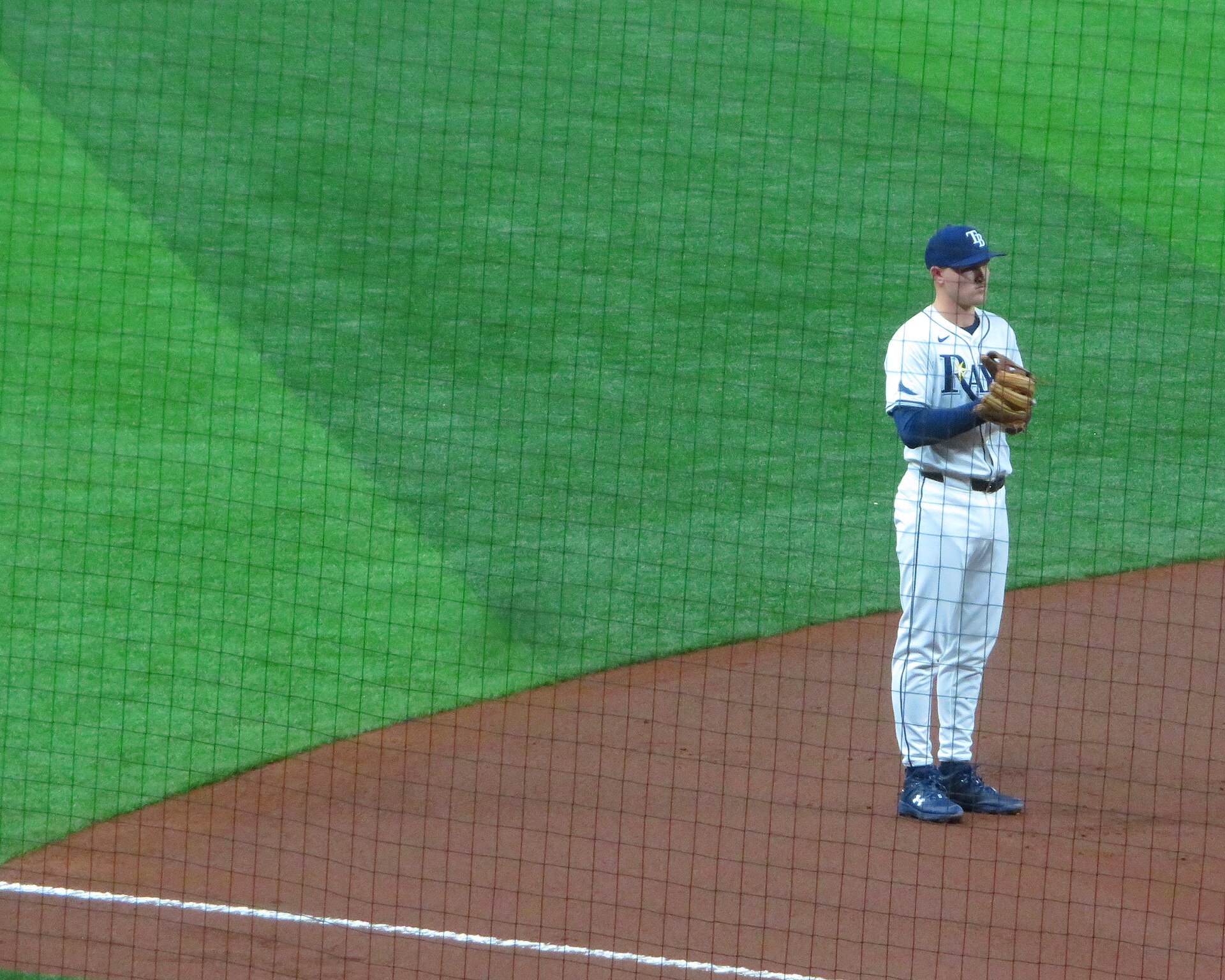
Interim manager Chad Tracy told reporters afterward that Mead was sore and that X-rays were negative. Tracy also framed the update as a day-to-day situation, saying the club may have dodged a bullet.
That is exactly the kind of phrasing teams use when they are relieved but not ready to declare a player fully clear. Negative X-rays can rule out an obvious fracture, but they do not automatically answer how a hitter’s hand will respond the next day, especially once swelling and grip strength become part of the evaluation.
For Boston, the timing is the point. Mead was not a long-established piece getting a routine breather. He had barely arrived.
Why Boston traded for Mead
The Red Sox acquired Mead from the Washington Nationals on Saturday, July 25, reportedly sending 24-year-old pitcher Connelly Early the other way. Early had a 3.44 ERA across 17 starts this season, making the deal more than a low-cost depth add.
Boston made the move because the roster needed infield help and offensive flexibility. Mead has put together a career-best season, entering this stretch with a .851 OPS, 17 home runs and 48 RBIs across 87 games.
That production is the reason his first night in a Red Sox uniform carried more weight than a typical debut. He was not brought in simply to fill a locker. He was acquired to help a club sitting at 55-50, holding the second American League Wild Card spot and trying to avoid slipping in a crowded race.
There is also a player-development story inside the transaction. Mead, an Australian infielder from Adelaide, signed with the Phillies in 2018, was dealt to the Rays in 2019 in the Cristopher Sánchez trade, later spent time with the White Sox, and moved to Washington in March before Boston came calling.
The Red Sox roster squeeze
The cleanest optimistic read is simple: X-rays were negative, Boston won the game, and Mead might be back quickly. For a team in the Wild Card mix, that is a real win.
The cautious read is just as valid. Hand injuries can be tricky for hitters even when they do not involve a broken bone. A player can be technically available but still have trouble turning on pitches, absorbing contact, or trusting the top hand through the zone.
That matters for Mead because his value to Boston is tied to immediate usability. The Red Sox did not trade for a long-term rehab project at the deadline. They traded for a bat and glove who could help them navigate late July, August and September.
The scare also underlines why one move rarely solves a contender’s roster problem. If Mead misses time, even briefly, Boston is back to juggling the same infield questions it tried to address by adding him.
Day to day still means uncertainty
Tracy’s day-to-day label is good news compared with a definitive injured-list announcement. It also leaves room for a wide range of outcomes.
Mead could wake up sore, miss a game or two, and return once the hand settles down. He could also need more imaging or extra time if swelling limits his swing. The Red Sox have not publicly indicated a long absence, but they also have not given a firm return date.
That gray area is where teams often make small but important choices: whether to keep a player active, whether to use him only off the bench, whether to protect him from defensive work, or whether to make a roster move before a short-term issue becomes a bigger competitive cost.
Boston’s next lineup cards will say plenty. If Mead is available quickly, the scare becomes a brief alarm. If he is absent for several days, the negative X-rays will still be encouraging, but the trade’s short-term purpose becomes more complicated.
A trade-deadline lesson for Boston
The Mead injury scare proved something the Red Sox should already know: midseason additions are not insurance unless the roster around them is strong enough to absorb disruption.
That does not mean the trade was a mistake. Boston targeted a player having the best offensive season of his major-league career, and the early medical news avoided the nightmare version of his debut. If Mead is back soon, the Red Sox may still get exactly what they wanted.
But the pitch that sent him off the field showed how thin the margin can be. A 94-mph fastball to the hand turned a fresh acquisition into an instant injury update, and a roster upgrade into a test of organizational depth.
The takeaway for Boston is not panic. It is urgency with discipline. Mead’s X-rays gave the Red Sox room to breathe, but his debut also reminded them that a playoff push cannot rest on one newly arrived player staying perfectly healthy from day one.






Leave a Reply