

The former presidents are writing about their predecessors, not the current White House. Yet the series’ focus on restraint, institutions and democratic norms makes Donald Trump an unavoidable part of its modern context.
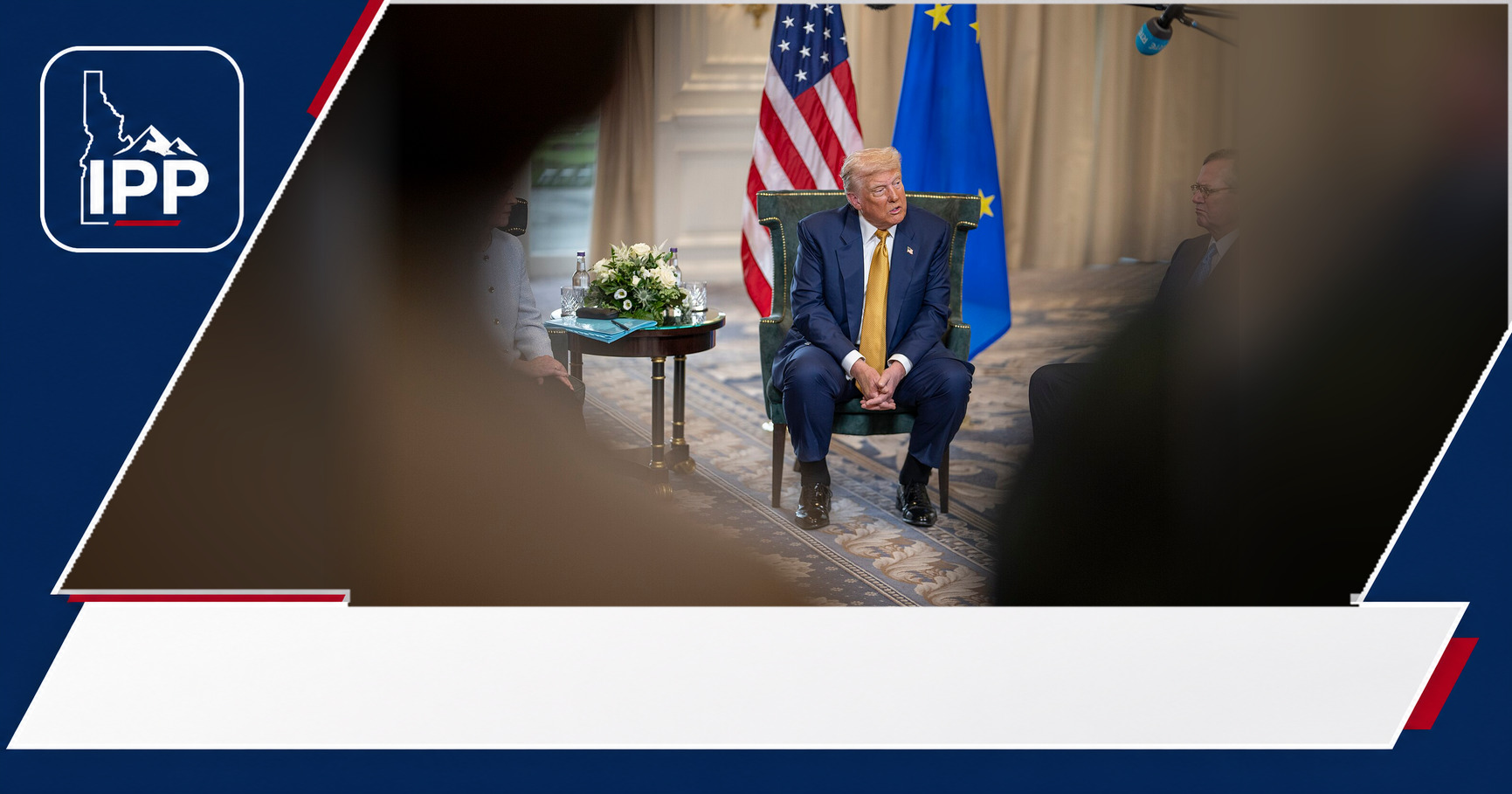
Bill Clinton, George W. Bush and Barack Obama contributed essays to the In Pursuit project, a 250th-anniversary series about American presidents and first ladies. Donald Trump is not mentioned by name in their essays, but he remains relevant as the project examines presidential leadership, democracy and the use of power.
The series was designed to look beyond immediate partisan fights. Its subjects, however, include voluntary limits on power, loyalty to the Constitution and the responsibilities of a president—questions that carry obvious weight during the Trump era.
A history project with present-day stakes
In Pursuit brings together former presidents, historians and authors to write about individual presidents or first ladies. The essays are being released in chronological order, weekly through December.
According to the Associated Press, the project covers 43 presidents and 30 first ladies. Trump and former President Joe Biden were excluded because organizers concluded they were too recent to be assessed by history.
That decision creates a useful distance, but not a political vacuum. A project about the presidency is inevitably read against the presidency Americans are living through.
Trump is absent by name
The writers were instructed not to be partisan or ideological, said Colleen Shogan, the former U.S. archivist who is curating the project. Shogan told the AP that the aim was to make readers across the country feel welcome to draw lessons from American successes and failures.
Trump’s name does not appear in the former presidents’ essays. Still, the recurring concerns in the series—how leaders handle authority, whether institutions outlast individuals and when power should be surrendered—have clear resonance in an era of intense arguments over the presidency.
That is not the same as a direct critique. It is a reminder that historical writing can raise contemporary questions without turning every page into a dispute over the current administration.
Bush writes about giving up power
Bush’s contribution centers on George Washington and the example Washington set by relinquishing authority. Bush writes that the first president could have remained all-powerful but chose not to, first by resigning his Continental Army command and later by leaving office after two terms.
Washington’s voluntary retirement established a norm that lasted until the two-term limit was written into the Constitution. Bush calls that humility one of the most consequential examples in American politics.
The argument lands differently now because Trump resisted conceding defeat after the 2020 election and has discussed the possibility of a third term despite the Constitution’s two-term limit. Bush does not make that comparison himself, but readers do not need it spelled out to understand why Washington’s restraint is central to the discussion.
Clinton takes on Theodore Roosevelt
Clinton’s essay examines Theodore Roosevelt, emphasizing Roosevelt’s effort to broaden the idea of “we the people” and his willingness to challenge powerful corporate interests. Clinton also addresses Roosevelt’s exclusionary views toward Black and Indigenous people.
That balance reflects a larger feature of the project: presidents are not treated as uncomplicated civic heroes. Their accomplishments and their failures are placed alongside one another.
It is a consequential choice at a time when public debates over national history often divide between celebration and condemnation. The series instead frames presidential legacy as something more difficult: an account of achievement, harm, power and consequence.
The wider argument is institutional
Other contributors draw out the same tension from different periods. Retired Gen. Stanley McChrystal, writing about Ulysses S. Grant, describes the importance of leaders resisting demands to align with political factions or show loyalty to a person over the Constitution.
McChrystal writes that the future depends on whether leaders choose “law over loyalty.” His focus is on Grant and the post-Civil War period, but the theme is especially recognizable amid debates over personal loyalty in Trump’s administration.
The point is larger than any one president. Democracies depend not only on laws but also on the willingness of people in power to accept limits, respect independent institutions and leave office when voters say their time is over.
Why the series may invite debate
Readers may disagree about whether a 250th-anniversary project can genuinely rise above current politics. Omitting both Trump and Biden may protect the essays from the hottest partisan reactions, but it also means the series leaves out the two most recent case studies in presidential power.
Supporters can argue that historical distance makes more measured judgment possible. Critics may see the absence of contemporary figures as a limitation when the questions under discussion—elections, executive authority and constitutional guardrails—are so immediate.
For now, In Pursuit offers something more restrained than a verdict on the present: a running examination of what earlier presidents did with power, and what their choices suggest about the standards Americans expect from those who hold it.





Leave a Reply