
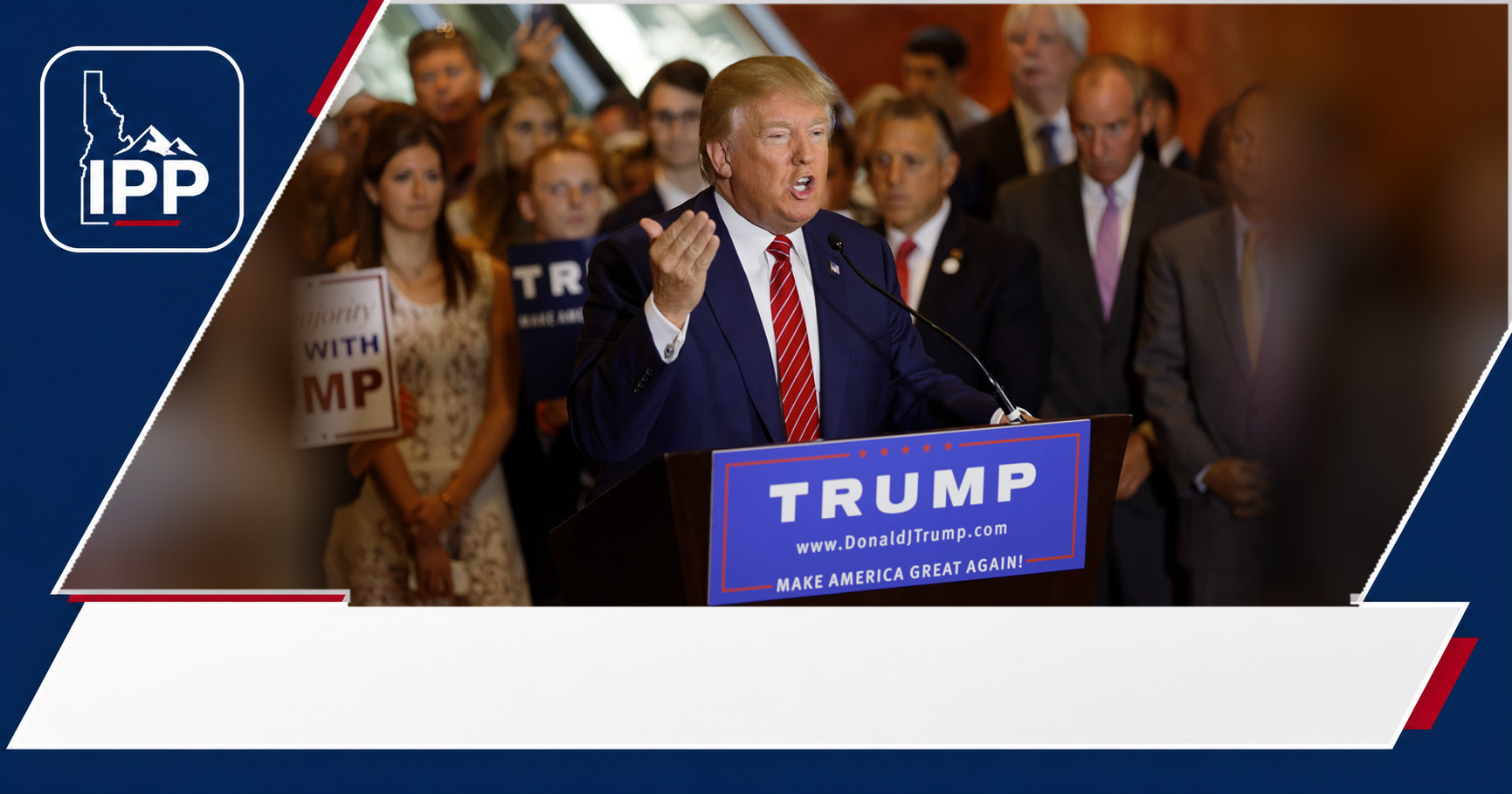
The reported sell-off raises a bigger question than who buys in: how much of soccer’s most valuable event should be run like a private growth asset. Trump’s formal role comes through a White House task force coordinating the United States’ 2026 host-nation work.
FIFA plans to sell stakes in a $20 billion subsidiary tied to running the World Cup, a World Cup sell-off that has angered UEFA and put Donald Trump’s role in 2026 preparations back in view. Reuters reported the plan would involve minority, non-controlling stakes of up to 20%. Donald Trump has a role in the World Cup-related plan through the White House task force he established on March 7, 2025, with the president as chair, to coordinate the United States host-nation preparations for the FIFA Club World Cup 2025 and FIFA’s World Cup 2026.
The stakes are large because the World Cup is not a normal sports property. It is FIFA’s signature event, a global political stage and a commercial engine that now sits alongside a formal U.S. government effort to manage security, travel, diplomacy and logistics before 2026.
A sell-off with limits
According to Reuters, FIFA is weighing or planning the sale of minority stakes in a new entity valued at about $20 billion. The subsidiary would be tied to running the World Cup, with outside investors able to buy non-controlling stakes of up to 20%.
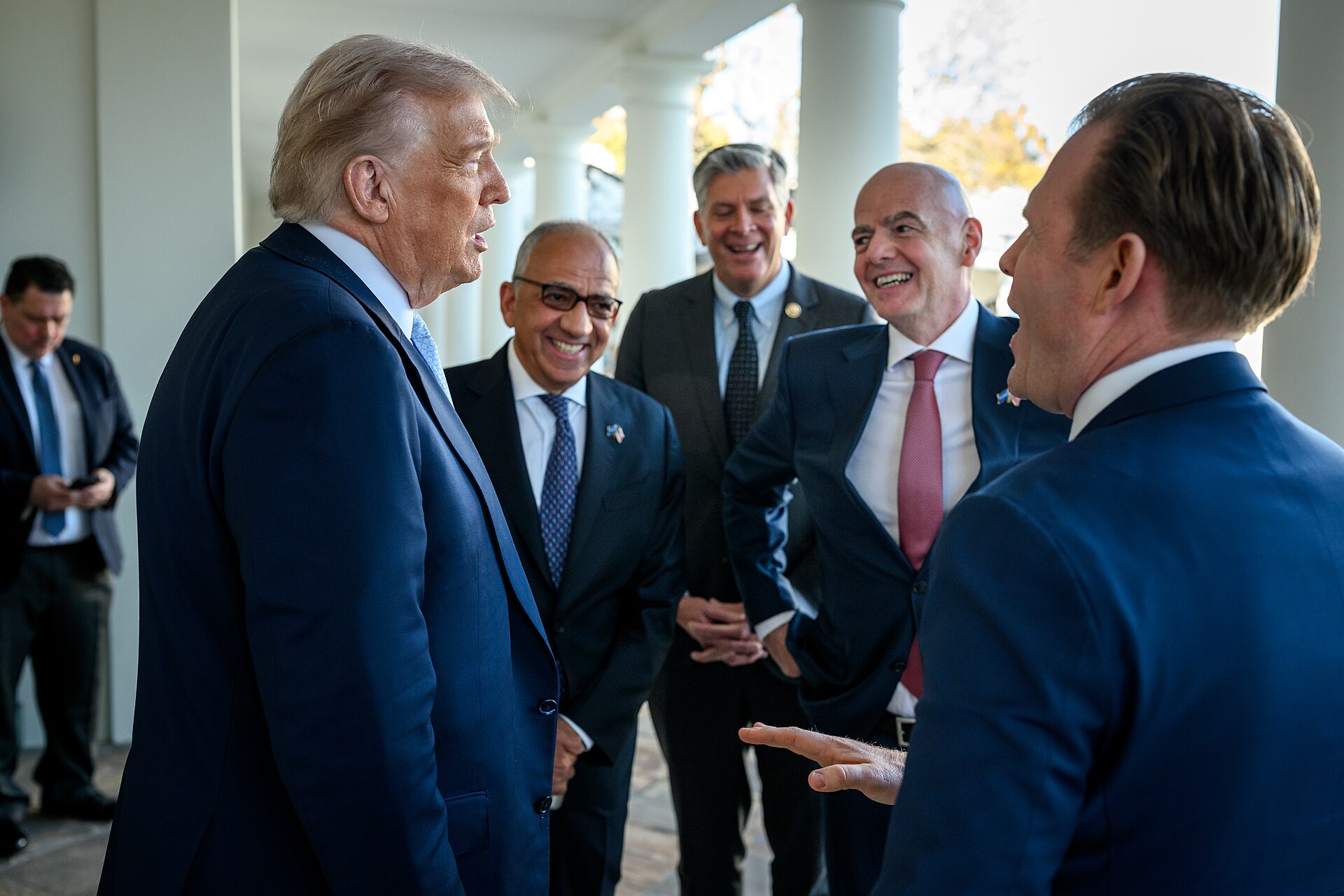
That distinction matters. A non-controlling stake would not, on its face, hand investors the right to run the tournament. FIFA would still be expected to retain control of the World Cup operation.
But minority does not mean meaningless. Investors who buy into a $20 billion vehicle would likely expect influence, financial transparency, growth plans and a path to returns. That is why the reported proposal is drawing attention far beyond normal sponsorship chatter.
The World Cup has always had commercial partners. What appears different here is the idea of turning the machinery around the tournament into an investment vehicle, rather than simply selling broadcast rights, sponsorship packages or hospitality deals.
Why UEFA is angry
Reuters reported that the plan has angered UEFA, European soccer’s governing body. The precise details of UEFA’s objections have not all been made public in the available reporting, but the tension is easy to understand.
UEFA represents many of the clubs, leagues and national associations that supply the sport’s biggest stars and much of its commercial weight. If FIFA creates a major new World Cup company and sells part of it to investors, European officials may see that as a shift in power around soccer’s most valuable competition.
The fight is not only about money. It is also about governance. The World Cup is a national-team tournament with public meaning, not just an entertainment product. Critics of private investment in such a structure are likely to worry that revenue growth could start to shape tournament design, scheduling and access.
FIFA’s side of the argument would be different. A dedicated subsidiary could make the World Cup operation more professional, raise capital, build better infrastructure and make the event more commercially resilient. That case becomes stronger as the tournament gets bigger, more expensive and more complicated to stage.
Trump’s role is governmental
Trump’s connection to the story is not, based on the sourced record, that he is brokering FIFA’s stake sale. His formal role comes through the White House Task Force on the FIFA World Cup 2026, created by presidential action on March 7, 2025.
The White House order says the United States is a host nation for the 2026 World Cup and describes the tournament as an opportunity to showcase national pride and hospitality while promoting economic growth and tourism through sport.
Under the order, the president chairs the task force and the vice president serves as vice chair. The task force includes senior officials across the federal government, including the secretaries of State, Treasury, Defense, Commerce, Transportation and Homeland Security, along with the attorney general, the FBI director and national security officials.
Its job is to coordinate federal support for the 2025 FIFA Club World Cup and the 2026 FIFA World Cup. The order says agencies are to assist with planning, organization and execution of events surrounding the tournaments.
Why the White House matters
For readers who do not follow soccer politics, the White House task force may sound like ceremony. It is not. A World Cup requires heavy government involvement in visas, airport movement, policing, cybersecurity, transportation, emergency planning and international coordination.
The task force is housed administratively in the Department of Homeland Security, according to the White House order. Agencies were directed to submit reports on their planning and activities for the 2026 World Cup no later than June 1, 2025.
That gives Trump a formal seat at the center of U.S. preparations for the tournament, even if FIFA’s commercial structure is a separate matter. It also means FIFA’s business decisions will unfold against a backdrop of federal coordination and political visibility in the United States.
The timing is sensitive. The White House order links the 2026 tournament to the 250th anniversary of the United States, giving the event a patriotic and economic frame as well as a sporting one.
A bigger commercial pivot
The reported $20 billion valuation shows how much the World Cup has become a financial platform. The tournament is no longer just a month of matches. It is a global media product, a tourism engine, a technology challenge and a branding opportunity for host cities and governments.
A stake sale would fit a broader pattern across sports, where private capital has moved into leagues, teams, broadcast ventures and event businesses. The attraction is obvious: live sports remain one of the few entertainment products that can still gather enormous real-time audiences.
The concern is just as obvious. Once investors are inside the structure, the pressure to expand revenue can become permanent. That could intensify debates over ticket prices, hospitality access, match calendars, sponsorship categories and how much say national associations should have.
The World Cup is especially sensitive because fans treat it as a public cultural event, while FIFA manages it as a global commercial property. The reported subsidiary plan sits exactly on that fault line.
What remains unclear
Several key questions are still unanswered. Reuters reported the broad outlines, including the $20 billion entity, the potential sale of up to 20% and UEFA’s anger, but the available record does not identify final investors, completed terms or a finished governance model.
It is also unclear how much formal approval the proposal would require inside FIFA, how UEFA might try to resist it, and whether other confederations would support, oppose or seek their own concessions from the structure.
For Trump, the clearest documented role remains the White House task force, not the sale itself. That distinction is important in a politically charged story: the president chairs the federal preparation effort for a tournament FIFA controls commercially.
The clean takeaway is that FIFA’s World Cup sell-off is about more than a balance sheet. It raises a test for 2026: whether the world’s biggest soccer event can absorb private capital, government coordination and global fan expectations without turning the tournament’s public identity into just another asset class.


Leave a Reply