

The missed deadline leaves the Court’s ruling against Trump’s birthright citizenship order in place. It also shows how limited the rehearing path was from the start.
Trump has not asked the Supreme Court to rehear the birthright citizenship case after the Court’s June 30 ruling struck down his order ending birthright citizenship. Trump had vowed to seek rehearing, but the Trump administration did not file by July 27, when the deadline for filing passed, and no petition appears on the Court’s electronic docket, according to SCOTUSblog.
That missed deadline matters because rehearing is not a normal second appeal. It is a rare request asking the justices to revisit a decision they have already issued, and in this case it would have required support from at least one justice who had already voted against Trump’s position.
A vow meets the docket
The case is Trump v. Barbara, the challenge to President Donald Trump’s attempt to end birthright citizenship by executive order. Birthright citizenship generally refers to the guarantee that people born in the United States are citizens, rooted in the 14th Amendment’s citizenship clause.
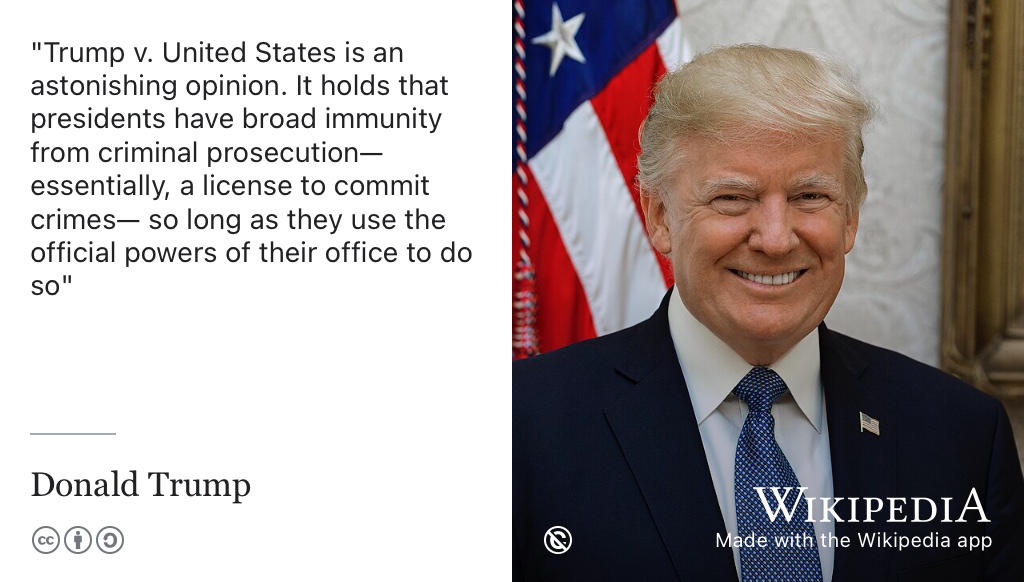
After the Supreme Court ruled on June 30 that Trump’s order could not stand, Trump said on July 8 that he planned to seek a rehearing. He described the ruling in sharply critical terms and said he would ask the Court to reconsider immediately.
But Supreme Court procedure set a firm clock. A rehearing petition is due 25 days after a decision. Because the 25th day fell on Saturday, July 25, the effective deadline moved to Monday, July 27.
By the morning after that deadline, SCOTUSblog reported that no rehearing petition had appeared on the Court’s electronic docket. Unless a docket correction or unusual procedural development emerges, the administration appears to have let the rehearing window close.
Why rehearing was unlikely
The missed filing is striking politically because Trump had publicly promised action. Legally, though, a rehearing petition would have been a steep climb.
Under the Supreme Court’s rules, rehearing is granted only if a majority of the Court agrees, and it must come at the instance of a justice who was in the majority or otherwise concurred in the judgment. That detail matters here.
The June 30 decision was not a narrow, ideologically predictable win for Trump. Chief Justice John Roberts wrote the majority opinion, joined by Justices Sonia Sotomayor, Elena Kagan, Amy Coney Barrett and Ketanji Brown Jackson. Justice Brett Kavanaugh agreed that the order could not stand, though he relied on a different legal rationale.
That meant Trump would have needed five votes to reopen the case, with at least one vote from the group that had already rejected his order. In practical terms, the administration would likely have needed to persuade more than one justice from that side of the decision.
The ruling Trump wanted reopened
Trump issued the executive order on Jan. 20, 2025, shortly after his second inauguration. The order aimed to end birthright citizenship, a move that immediately drew lawsuits from states, immigrants’ rights groups and individuals.
Federal judges around the country sided with challengers who argued that the order violated the Constitution. The legal fight then reached the Supreme Court in stages.
In an earlier phase, the Trump administration asked the justices to address a different question: whether federal courts could issue nationwide or universal injunctions blocking federal policies across the country. In June 2025, the Court limited that kind of injunction in a 6-3 ruling.
The birthright citizenship fight itself continued in lower courts. The Supreme Court later agreed to review a ruling from a federal judge in New Hampshire that struck down the order. On June 30, the justices upheld that result and ruled against the administration.
The constitutional fault line
The majority’s reasoning centered on the 14th Amendment. Its citizenship clause says that all persons born or naturalized in the United States, and subject to its jurisdiction, are citizens of the United States and of the state where they reside.
Roberts concluded that Trump’s executive order was inconsistent with that clause. Kavanaugh reached the same bottom-line result by focusing on federal law that uses language closely tracking the constitutional text.
Three justices dissented: Clarence Thomas, Samuel Alito and Neil Gorsuch. According to SCOTUSblog’s summary of the decision, they would have allowed Trump’s order to go into effect.
That split shows why the case carried stakes beyond one immigration policy. It forced the Court to confront how much power a president has to reinterpret a constitutional guarantee through executive action, and how quickly courts can stop that effort.
History was against Trump
Even when a losing party files on time, Supreme Court rehearing is exceptionally rare. The Court does not use the process as a routine way to revisit controversial decisions or respond to political backlash.
SCOTUSblog cited law professor Stephen Vladeck’s observation that the Supreme Court has not agreed to reconsider its ruling in an argued case since 1965, when it modified its judgment to allow further lower-court proceedings on issues the justices had not resolved.
The last time the Court granted rehearing and reversed itself on the merits dates even further back, to 1956. That history made Trump’s promised petition a long shot before the deadline ever arrived.
For supporters of the order, that may make the missed filing less satisfying: they did not get the symbolic fight they were promised. For opponents, the absence of a petition removes one immediate procedural threat to the June 30 ruling, though it does not erase the larger political campaign around citizenship and immigration.
What stays unclear now
The immediate effect is simple: the Supreme Court’s June 30 ruling remains in place, and Trump’s executive order ending birthright citizenship remains struck down.
What is less clear is why the administration did not follow through after Trump’s public vow. The available docket does not explain strategy. The decision could reflect a legal assessment that rehearing was futile, a shift toward other immigration priorities, or an internal calculation that the political value of another filing did not justify the odds.
The missed deadline also does not settle every future dispute over citizenship policy. A president, Congress or state officials could still look for other ways to test the edges of immigration and nationality law. But the central claim in this case — that Trump could end birthright citizenship by executive order — has been rejected by the Supreme Court.
For now, the important development is procedural but consequential. Trump promised to return to the Supreme Court. The deadline passed. The docket, at least as reported after July 27, shows he did not.





Leave a Reply