

The president has long treated market rallies as a sign of confidence in him. That strategy gets riskier when investors start worrying about the forces no White House can fully control.
Donald Trump has never been shy about treating the stock market as a scoreboard. When stocks rise, he has often argued, investors are voting for his leadership.
That message can be powerful in a rally. It becomes much more dangerous when the market turns jumpy, because the same scoreboard can start flashing the wrong number.
The boast creates a trap
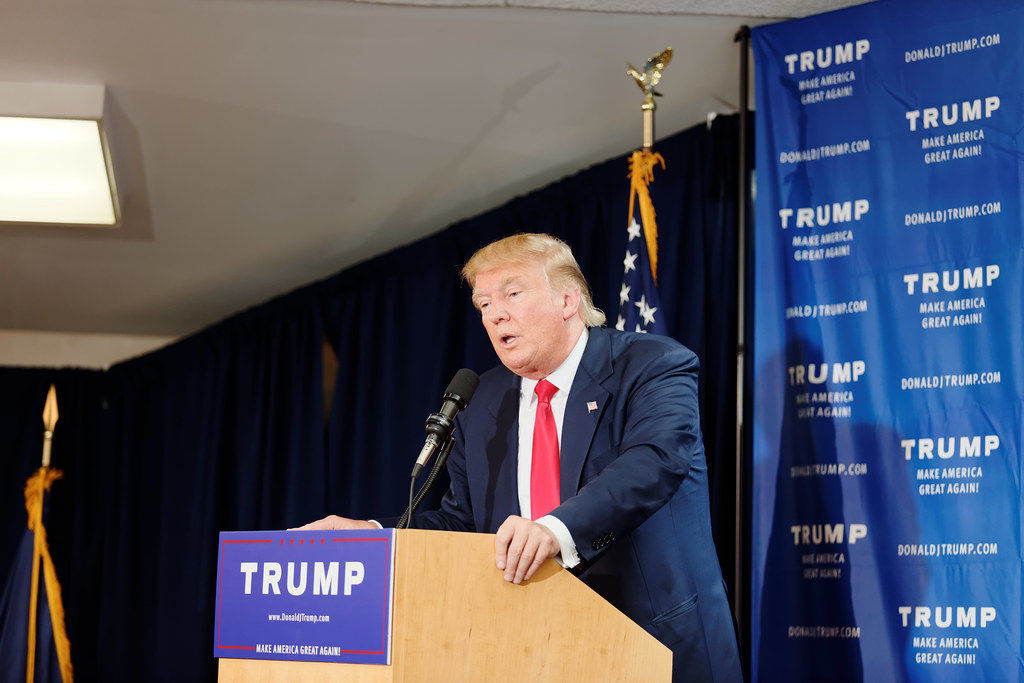
Trump’s bullish claim that the market is headed dramatically higher fits a long pattern: he ties investor optimism to himself and casts market weakness as evidence of someone else’s failure.
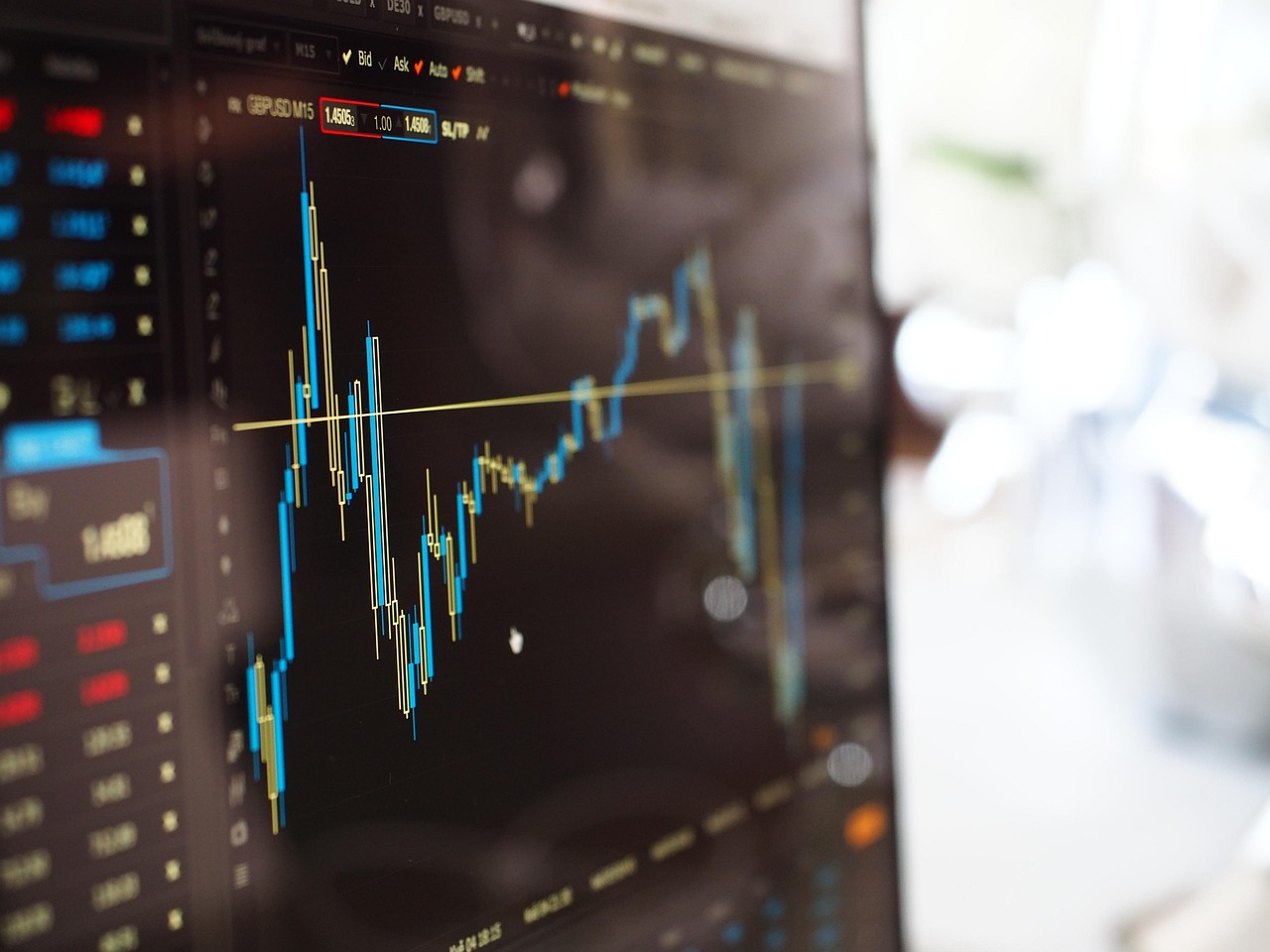
The political risk is obvious. Once a president encourages voters to view the Dow, the S&P 500 or retirement accounts as a direct referendum on his stewardship, he has less room to wave off a decline as temporary noise.
That is the tension behind the latest market chatter around Trump’s comments. A soaring market can validate his argument. A rough patch can make the same argument look like overreach.
Stocks do not move on presidential confidence alone. They react to interest rates, corporate profits, inflation expectations, global shocks, bond yields, oil prices, consumer demand and investor psychology. A White House can influence some of those forces. It does not command them.
Trump’s own record of claims
The Associated Press has documented how frequently Trump has claimed a connection between his political fortunes and the stock market.
In January 2024, while Joe Biden was still president, Trump wrote on Truth Social that it was “THE TRUMP STOCK MARKET” because investors were supposedly pricing in his return. In March 2024, he argued that stocks were rising because polls showed him likely to win.
When markets weakened, the blame shifted. In April 2024, Trump said the market was “in a sense, crashing” and called it “Bidenomics.” In August 2024, as stocks sold off, he blamed Biden and Kamala Harris, writing that U.S. leadership was at fault.
The AP also reported that Trump praised post-election market enthusiasm at a Mar-a-Lago gala in November 2024, saying the market had “gone through the roof” and joking to House Speaker Mike Johnson that his term should be treated as starting from Election Day because of the rally.
Rallies are easier than sell-offs
Presidents of both parties like good markets. Few resist the temptation to point at rising stock prices as proof that their agenda is working.
But Trump’s rhetoric has been more personal than the usual White House victory lap. He has often framed market moves not just as a response to policy, but as a response to him.
That makes the politics sharper. If investors believe tax cuts, deregulation or pro-business appointments will lift profits, stocks may rise in anticipation. If those same investors begin to worry about inflation, tariffs, deficits or the Federal Reserve’s path, enthusiasm can fade quickly.
Market accountability is asymmetrical. Voters may not give a president full credit for a rally, but they are more likely to notice when retirement balances fall, mortgage rates stay high or recession headlines dominate the news.
The economy can undercut the slogan
The biggest near-term challenge to any “through the roof” market message is that investors are not only buying a political story. They are also pricing the future cost of money.
If inflation stays sticky, the Federal Reserve may have less room to cut interest rates. Higher rates can pressure stocks by making bonds more attractive and by raising borrowing costs for companies and households.
Corporate earnings matter too. A market can climb on optimism for a while, but eventually investors want proof that profits are growing fast enough to justify high prices.
Policy uncertainty can also work against a rally. Tariff threats, trade fights, budget standoffs and unpredictable regulatory shifts can make executives and investors more cautious, even if they broadly favor a pro-business administration.
Why voters should be careful
For ordinary investors, the lesson is not that Trump’s bullishness is wrong or that a sell-off is guaranteed. It is that political confidence is a poor substitute for a financial plan.
A president’s words can move sentiment, especially in the short term. But retirement accounts are exposed to a much wider set of risks than a campaign slogan can capture.
Investors who chase every political market narrative can end up buying high, selling low or overreacting to headlines. The more useful question is not whether a president is optimistic. It is whether your portfolio can survive a period when that optimism is tested.
- Short-term traders may react to speeches, policy leaks and data releases.
- Long-term investors usually need diversification, cash reserves and realistic expectations more than political certainty.
- Voters should separate market cheerleading from measurable economic outcomes like wages, inflation, employment and household debt.
The next test is credibility
Trump has already shown he can turn a rising market into a political asset. The harder test is what he says if the market stalls or falls.
The AP noted that Trump has also dismissed recession fears and, after a sell-off, said “You can’t really watch the stock market.” That line points to the dilemma: a market can be a favorite scoreboard when it is rising and an unreliable gauge when it is falling.
Politically, voters may accept some nuance. Markets are volatile, and no president can prevent every downturn. But they may be less forgiving if the same leader repeatedly claims ownership of the upside while rejecting responsibility for the downside.
That is why the latest stock-market boast matters. It is not just a prediction. It is a bet on public memory.







Leave a Reply