
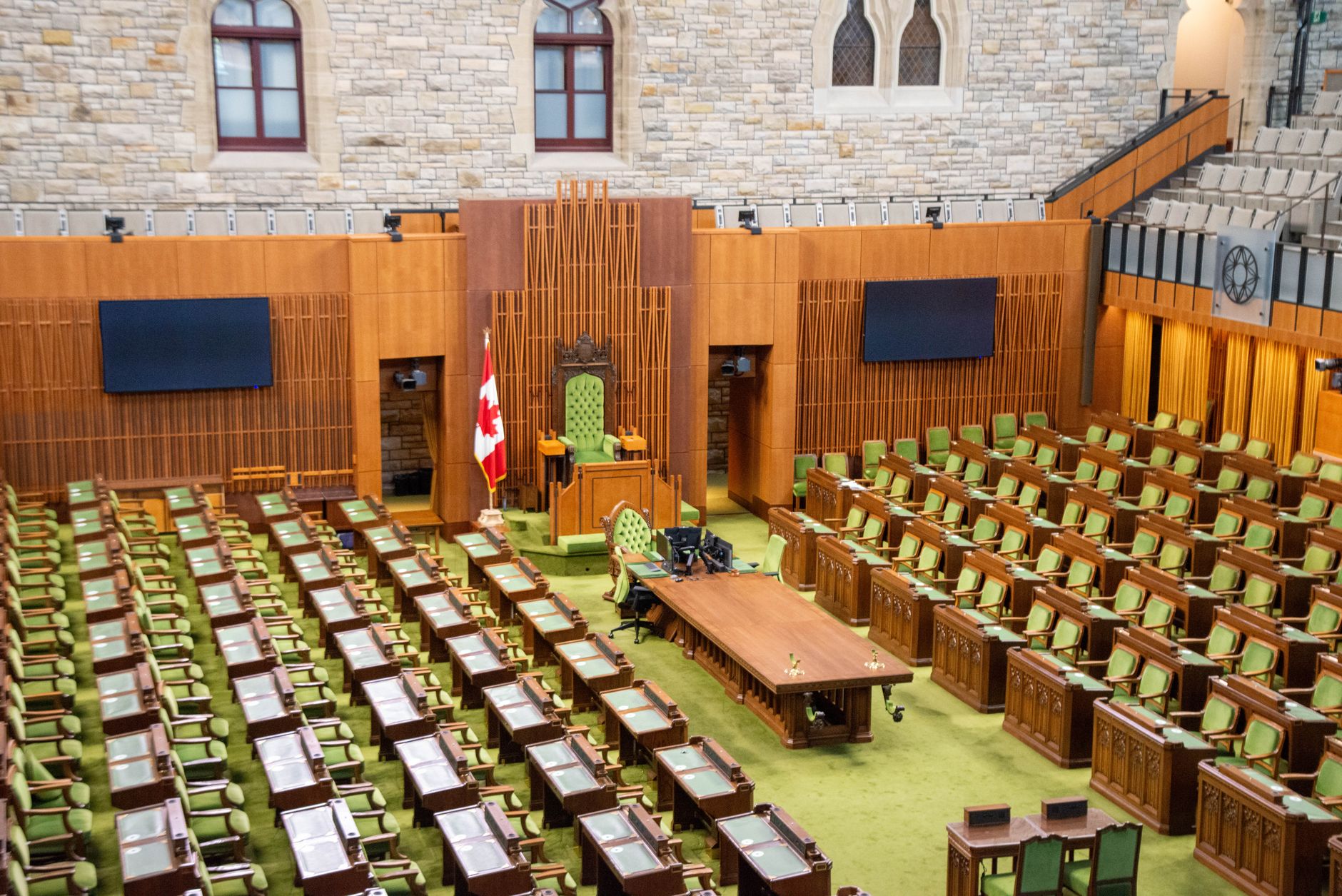
The move is not about one ballot box or one county. It is about who gets to shape the rules, systems and trust around elections before voters head into a tense midterm cycle.
President Donald Trump has fired Democratic members of an election board, according to The Hill, pushing a little-known corner of election administration into the center of the 2026 political fight.
The move lands at a combustible moment: Democrats are already warning that Trump and his allies are trying to reshape voting rules before the midterms, while Republicans argue tighter election controls are needed to restore confidence.
A quiet agency gets loud
The board at the center of the dispute is not the kind of body most voters think about on Election Day. Election administration in the United States is still largely run by states and counties, not the White House.
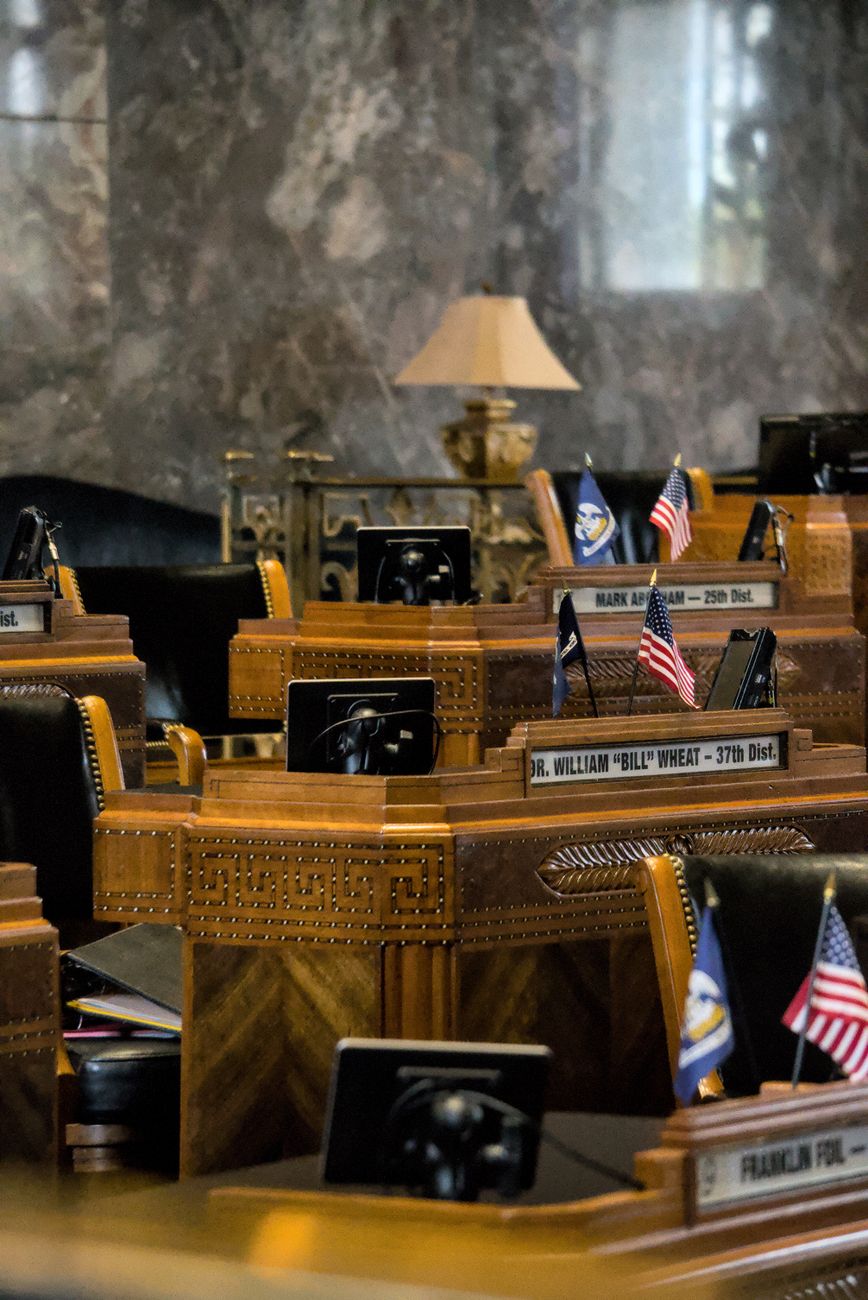
But federal election bodies can still matter. They can influence voting-system standards, distribute or oversee federal election money, collect data, accredit testing processes and set a tone for how the federal government interacts with local officials.
That is why personnel changes can carry political weight even when the agency itself does not count votes. A board built to operate with bipartisan membership can become a proxy fight over whether election administration remains insulated from presidential pressure.
The Hill’s report described Trump’s action as firing Democrats from an election board. The full practical effect will depend on who replaces them, whether the removals are challenged and how much authority the board can exercise with vacancies or new members.
Why Democrats are alarmed
Democratic concern about election interference has been building for months. In April, a congressional page from Rep. Kevin Mullin reposted a San Francisco Chronicle report describing an unofficial hearing in California where Democratic lawmakers urged election officials to prepare for possible federal intervention in the midterms.
At that hearing, Mullin said Democrats wanted to stand with local election officials and protect a free and fair election. Rep. Joe Morelle of New York, the top Democrat on the House committee that oversees federal elections, said officials needed to educate judges and administrators so they would not be intimidated.
The hearing also pointed to a recent California ballot-custody clash. According to the reposted report, the California Supreme Court had ordered Riverside County Sheriff Chad Bianco to halt an investigation involving hundreds of thousands of seized ballots. The report said Bianco’s office cited claims from a conservative election denial group as justification for confiscating 650,000 ballots.
That episode was local, not federal. But for Democrats, it has become part of a larger warning: the machinery of elections can be pressured long before voters see a ballot.
Trump’s voting push is broader
The firings also come after Trump signed a sweeping election-related executive order, according to the same congressional posting. The order directed the U.S. Postal Service to send ballots only to voters who appear on state-created lists after citizenship confirmation by the Department of Homeland Security.
The report said the order is already facing legal challenges and noted that presidents have a limited role in elections under the law. Mail voting has been a long-running target for Trump, who has claimed without evidence that voting by mail is riddled with fraud.
Election experts and Democratic officials have also criticized the Trump-backed SAVE Act, short for Safeguard American Voter Eligibility. The measure would require additional documents to prove citizenship, beyond a driver’s license or state ID in many circumstances.
Supporters cast those efforts as election-integrity measures. Critics say they would make voting harder for eligible Americans, especially people whose documents do not match neatly because of name changes, marriage, cost barriers or limited access to in-person election offices.
The legal fight may follow
Personnel moves at election-related agencies can quickly become court fights, especially when the positions are designed to be bipartisan or partly independent from the White House.
The key questions are likely to be technical but important: What statute created the board? What does it say about terms and removal? Did Congress intend commissioners to have protection from being fired at will? And how do recent Supreme Court rulings on presidential power apply?
Trump has repeatedly tested the boundary between presidential control and independent agency protections. His allies argue the executive branch must be accountable to the elected president. Opponents argue that some boards were intentionally structured to prevent one party from controlling sensitive areas of governance.
If the dismissed members sue, the case could become less about their individual jobs and more about how much direct control a president can assert over the institutions that support election administration.
The practical stakes are real
It is important not to overstate what a federal election board can do. It does not run polling places. It does not certify every county’s results. It does not decide who won a House race in a local canvass room.
Still, the practical stakes are real. Election officials rely on federal guidance, cybersecurity support, voting-system testing standards and grant programs. Even advisory decisions can shape what local offices buy, how they train staff and how they explain their processes to the public.
Trust is another issue. A bipartisan board can reassure voters that technical decisions are not simply partisan commands. Removing members from one party risks deepening suspicion that routine election administration is being pulled into the presidential campaign-style fight.
That suspicion can be damaging on its own. Local election workers have already faced threats, harassment and pressure since 2020. When national politicians escalate fights over voting systems and ballot rules, the pressure often lands on county clerks, registrars and poll workers.
What to watch now
The first question is whether the fired Democrats challenge the removals. A lawsuit could reveal the administration’s legal rationale and test whether the board’s structure limits the president’s firing power.
The second question is replacement. If new nominees require Senate confirmation, the fight could move to Capitol Hill, where senators would have to decide whether to endorse Trump’s approach to an election body in the middle of a midterm year.
The third question is whether the move changes behavior on the ground. State and local officials will be watching for new guidance, pressure, funding decisions or signals that could affect how they prepare for November.
For voters, the takeaway is simple: the 2026 election fight is not only about candidates. It is increasingly about the boards, rules, mail systems, ballot custody procedures and legal theories that shape the election before the first results come in.







Leave a Reply