
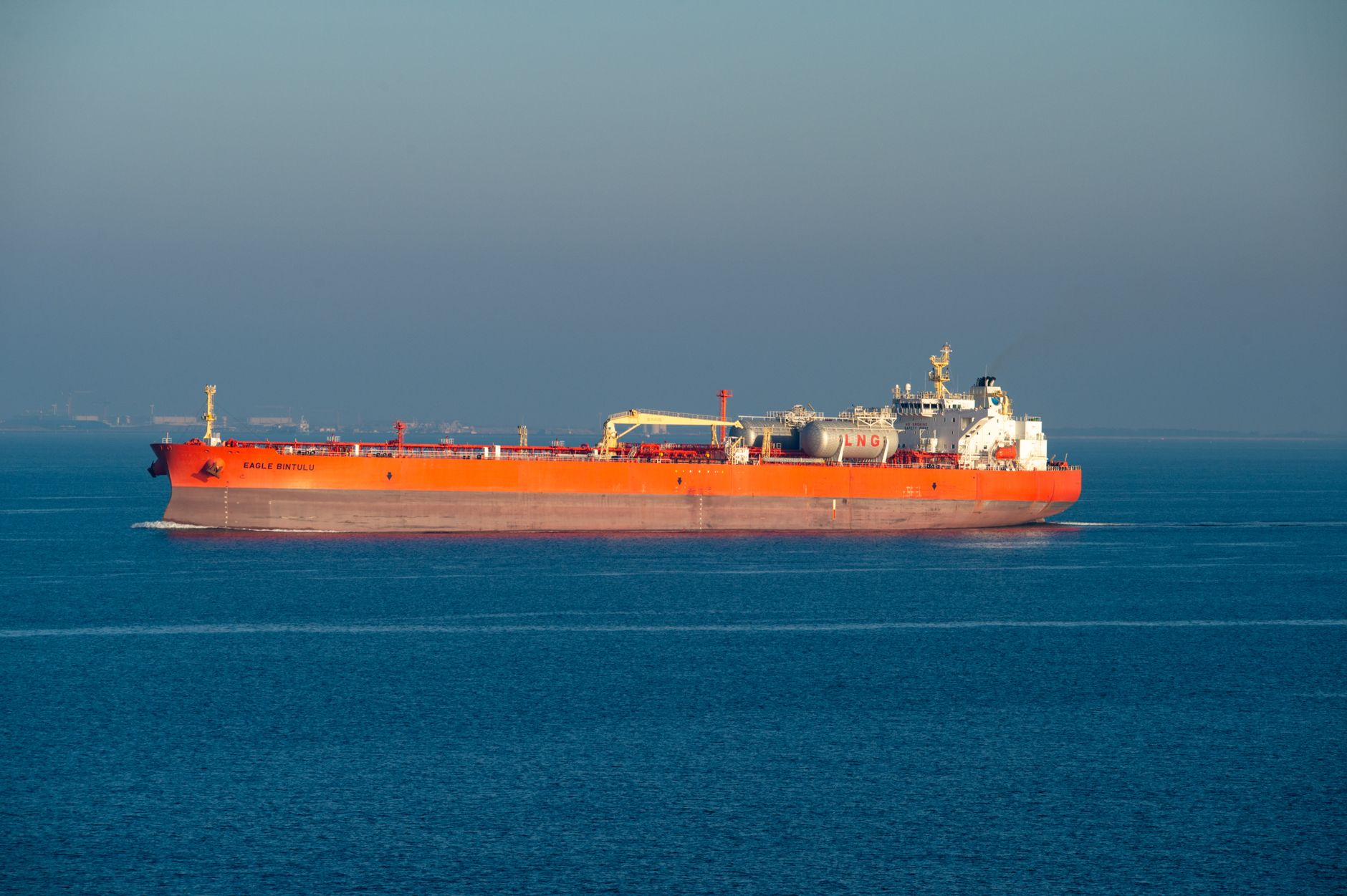
The fight is no longer only about trenches and missiles. Kyiv is trying to squeeze the fuel routes that keep Russian forces and occupied Crimea supplied.
Ukraine is trying to turn Russia’s fuel problem into a military problem — and Crimea is at the center of the squeeze.
Kyiv’s drone campaign has already hit refineries deep inside Russia. Now, Ukrainian officials say Russian fuel vessels in the Sea of Azov are being struck as shortages at gas stations add pressure far from the front line.
Crimea’s sea route under pressure
Ukraine’s drone force commander, Robert Brovdi, who is widely known by the call sign Magyar, said on Telegram that 14 Russian ships were hit in the Sea of Azov on Thursday evening. He claimed the latest attacks brought the number of Russian vessels struck by Ukrainian drones to 35 over a 96-hour period.
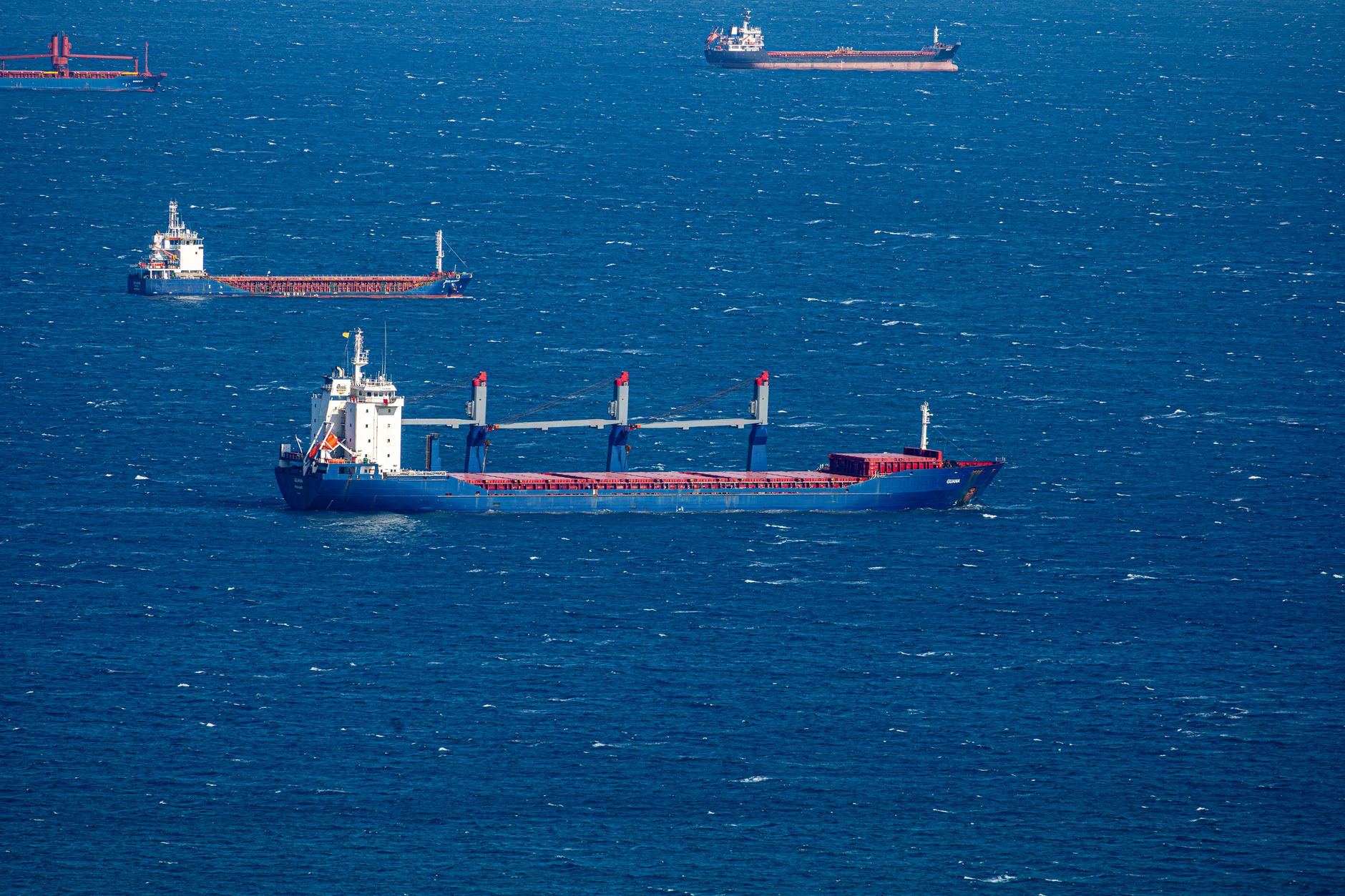
CNBC, which reported the claim, said it could not independently verify Brovdi’s account. That caveat matters: wartime claims about strikes, losses and damage often move faster than confirmed evidence.
Still, the target area is strategically important. The Sea of Azov sits northeast of the Crimean Peninsula, between southern Ukraine and southern Russia. For Moscow, it is part of the maritime network that helps support occupied Crimea, which Russia seized by force in 2014.
For Ukraine, attacking vessels there fits a broader effort to make Crimea harder and costlier for Russia to hold. The pressure is not just symbolic. Fuel, transport routes and logistics links are the bloodstream of any military occupation.
Fuel has become the battlefield
The tanker attacks come as Russia is dealing with fuel shortages in multiple areas, according to CNBC’s reporting. Images described in the report showed cars waiting in line for gasoline outside Moscow, while Russian cities have faced supply problems tied to Ukrainian drone strikes on oil infrastructure.
Ukraine has repeatedly targeted oil refineries and fuel facilities in recent weeks. Those attacks are meant to do more than create spectacular fires. They are designed to disrupt the production, storage and movement of fuel that supports Russia’s military and economy.
The logic is direct: if Ukraine cannot match Russia shell for shell across the entire front, it can try to reach behind the front and hit the systems that keep Russian forces moving. Refineries, tankers and supply corridors become military targets because they help power the war.
That does not mean every claim of damage is confirmed, or that every strike produces lasting disruption. But the pattern is clear enough: Kyiv is trying to widen the war’s cost inside Russia and around Russian-held territory.
Deep strikes are changing expectations
Earlier this week, Ukraine appeared to carry out one of its deepest attacks into Russian territory so far. CNBC reported that black smoke was seen rising from a major oil refinery in Omsk, a Siberian city nearly 2,500 kilometers, or about 1,553 miles, from Ukrainian territory.
Ukrainian President Volodymyr Zelenskyy said the country’s upgraded drone capabilities had put Siberia within reach. That statement was meant for several audiences at once: Ukrainians watching their military adapt, Russians seeing the war move closer, and Western governments weighing how much more support to provide.
Long-range drones have become one of Ukraine’s most important tools because they are cheaper than many missiles and can reach targets that once seemed protected by distance. They do not have to destroy Russia’s energy system to matter. They only have to make operations less predictable, more expensive and harder to defend.
Defense analysts cited by CNBC have described Ukraine’s drone attacks as pivotal in slowing Russian military momentum. The same experts also warn that successful deep strikes raise the risk of escalation, especially if Moscow feels pressure to answer visibly.
Russia faces costs at home
The fuel shortages are politically sensitive for the Kremlin because they touch ordinary life. A refinery fire may look distant on a map. A gasoline line outside a city is harder to dismiss.
Russian President Vladimir Putin recently acknowledged the effect of Ukrainian drone strikes on Russian fuel production, according to CNBC. That acknowledgment is notable because Moscow often frames the war as controlled, contained and far from daily Russian concerns.
Economists are also watching the strain. Holger Schmieding, chief economist at Berenberg, said in a research note quoted by CNBC that the costs of war are mounting for the Kremlin. He pointed to stalled Russian GDP growth in the first quarter after a slowdown last year, despite earlier boosts from heavy military spending.
Schmieding said Russia’s private sector appears to be contracting because of labor shortages, scarcity of some materials and high interest rates, while the military sector continues to thrive. That split is a familiar wartime problem: the state can keep weapons production moving, but civilian life and long-term economic health take the hit.
Moscow signals talks, but keeps fighting
The military pressure is unfolding alongside familiar diplomatic messaging. Kremlin spokesman Dmitry Peskov said Friday that Russia remains open to political and diplomatic negotiations, according to Russian state news agency RIA Novosti, as reported by CNBC.
Peskov also accused Kyiv of lacking the willingness to move toward a peaceful settlement. He said that, under those circumstances, Russia would continue what Moscow calls its special military operation.
Ukraine has sent its own public signals. Zelenskyy wrote an open letter to Putin last month proposing talks and saying Kyiv was ready for a full ceasefire during negotiations. Putin responded that he saw no point in an in-person meeting with Zelenskyy for now.
Those statements show how far apart the sides remain. Each says it is open to peace. Each also accuses the other of blocking the path. Meanwhile, drones keep expanding the geography of the war.
The next risk is escalation
The immediate question is whether Ukraine can sustain this pace of attacks on vessels, refineries and fuel logistics. Striking a tanker is one thing. Repeatedly disrupting a supply network while Russia adapts its defenses is harder.
Russia’s response is the larger uncertainty. Beat Wittmann, chairman and partner at Porta Advisors, told CNBC’s Squawk Box Europe that Ukraine has brought the war into the reality of Russian life. He warned that the historical reaction in such situations is often escalation rather than retreat.
That is the tension behind the tanker strikes. If they work, they may weaken Russia’s ability to supply Crimea and expose the domestic cost of the war. If they provoke a larger Russian response, they could also push the conflict into a more dangerous phase.
For now, Ukraine appears to be betting that fuel is one of Russia’s most vulnerable pressure points. The battle for Crimea’s supply lines is becoming a battle over who can absorb more disruption — and who runs short first.






Leave a Reply