
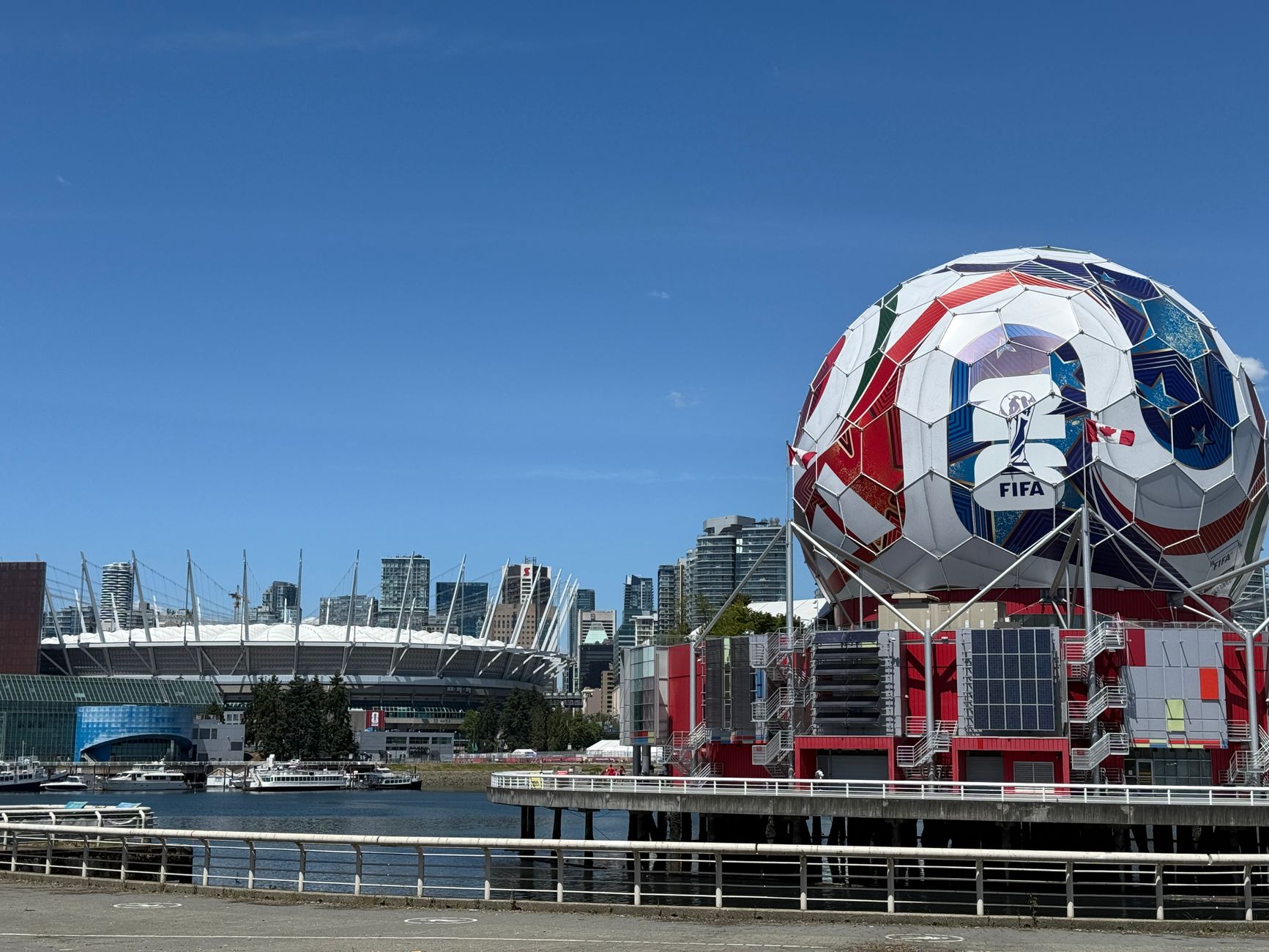
The exits of the U.S., Mexico and Canada changed the economics of the tournament almost overnight. For late-buying fans, the resale market is suddenly less punishing.
The World Cup just became a little less expensive for fans who waited.
After the United States and Mexico were knocked out, resale ticket prices for upcoming quarterfinal matches dropped sharply, according to figures from TickPick reported by CNN. The same results that crushed home-region hopes also cracked open a market that had been priced for host-nation fever.
The host bump vanished fast
World Cup ticket prices are always emotional. They do not move only because of seat location, kickoff time or star power. They move because fans convince themselves their team might be there.

That is what appears to have happened with quarterfinal tickets tied to potential appearances by the United States and Mexico. Buyers and sellers were not just pricing Spain, Belgium, England or the remaining field. They were pricing the possibility of a packed stadium fueled by host-country demand.
Once those teams were eliminated in the Round of 16, that premium started to evaporate. TickPick co-CEO Brett Goldberg told CNN that quarterfinal prices had been set with the expectation that Mexico and the U.S. would advance. Their back-to-back exits, he said, caused an immediate and significant drop in demand for the relevant matchups.
That is the part fans should notice. The market did not cool gradually. It corrected after the bracket changed.
The Los Angeles drop is steep
The sharpest reported decline involves Friday’s Spain-Belgium match in Los Angeles, a game the United States would have played in had it advanced earlier in the week.
Before the U.S. loss, the cheapest ticket on TickPick was hovering around $3,200, according to CNN’s report. After the elimination, the get-in price fell to about $1,100.
That is still not cheap in ordinary sports terms. For a family, it remains a major purchase before travel, parking, food, lodging and fees. But in World Cup terms, a roughly 65% drop changes who can even consider buying.
The lesson is blunt: when a host nation is alive, casual demand can become luxury demand. Once that team is out, some sellers have to meet a smaller and less desperate buyer pool.
Mexico’s exit hit Miami prices
Mexico’s elimination created its own resale-market shock. CNN reported that after Mexico lost to England on Sunday, prices for the cheapest tickets to Saturday’s quarterfinal in Miami fell about 45% on TickPick.
Those tickets had been near $4,000. They later dropped to around $2,000, according to the marketplace data cited in the report.
The Miami number is especially telling because Mexico’s fan base travels, spends and fills stadiums at a level few national teams can match. For sellers, Mexico’s possible presence was not a minor variable. It was a pricing engine.
Even after the drop, $2,000 get-in prices show how hot the tournament remains. This is not a clearance sale. It is a reset from extremely overheated to merely very expensive.
Bars lose a different crowd
The impact goes beyond ticket sellers. Watch parties, sports bars and restaurants also built expectations around the U.S. and Mexico staying alive deeper into the tournament.
Tom’s Watch Bar, a U.S. sports bar chain with 18 locations, told CNN that matchdays featuring Mexico and the United States had delivered major lifts for the business. Co-founder and co-CEO Brooks Schaden said he now expects World Cup-day business to fall 50% with both teams out.
That does not mean the tournament stops mattering. The chain still expects revenue on remaining game days to be 25% higher than non-World Cup days, according to CNN. The difference is that the event shifts from a local emotional rush to a broader sports attraction.
Schaden also told CNN that Mexico was a bigger draw for the chain than the U.S., with fans spending more money and staying longer. His description of the earlier demand was simple: price was no object.
Beer is still winning
If tickets and bars are feeling the loss of host-nation urgency, beer sales suggest the World Cup still has a powerful social pull.
The Beer Institute told CNN that beer sales at bars and restaurants rose 6.4% over the previous four weeks. In host cities, sales were up 14% compared with the same period a year earlier.
Some regions saw even bigger spikes. Massachusetts posted 23% growth, followed by the New York metropolitan area at 19% and California at 14%, according to the Beer Institute figures cited by CNN.
Andrew Heritage, the Beer Institute’s chief economist, told CNN the data show the tournament is bigger than any one team. That may be the cleanest read on the moment: national-team exits hurt the peak moments, but the World Cup remains a gathering machine.
Waiters may finally have leverage
For fans still hoping to attend, the sudden drop is a reminder that patience can pay in a volatile resale market. Prices often rise when a dream matchup looks possible and fall when the emotional buyer disappears.
That does not mean every ticket will keep getting cheaper. Late-stage World Cup matches can rebound if a star-driven matchup, a large traveling fan base or a convenient host city creates fresh demand. Inventory can also tighten quickly as buyers jump on lower prices.
Fans comparing options should look at total checkout cost, not just the advertised seat price. Fees can change the real number dramatically. Buyers should also stick with established platforms, understand transfer rules and be careful with listings that look unusually cheap.
The wider takeaway is that this World Cup market was not just selling soccer. It was selling the possibility of a North American party. With the U.S., Mexico and Canada all out, that party is smaller, less feverish and, for some late buyers, finally a little more reachable.







Leave a Reply