
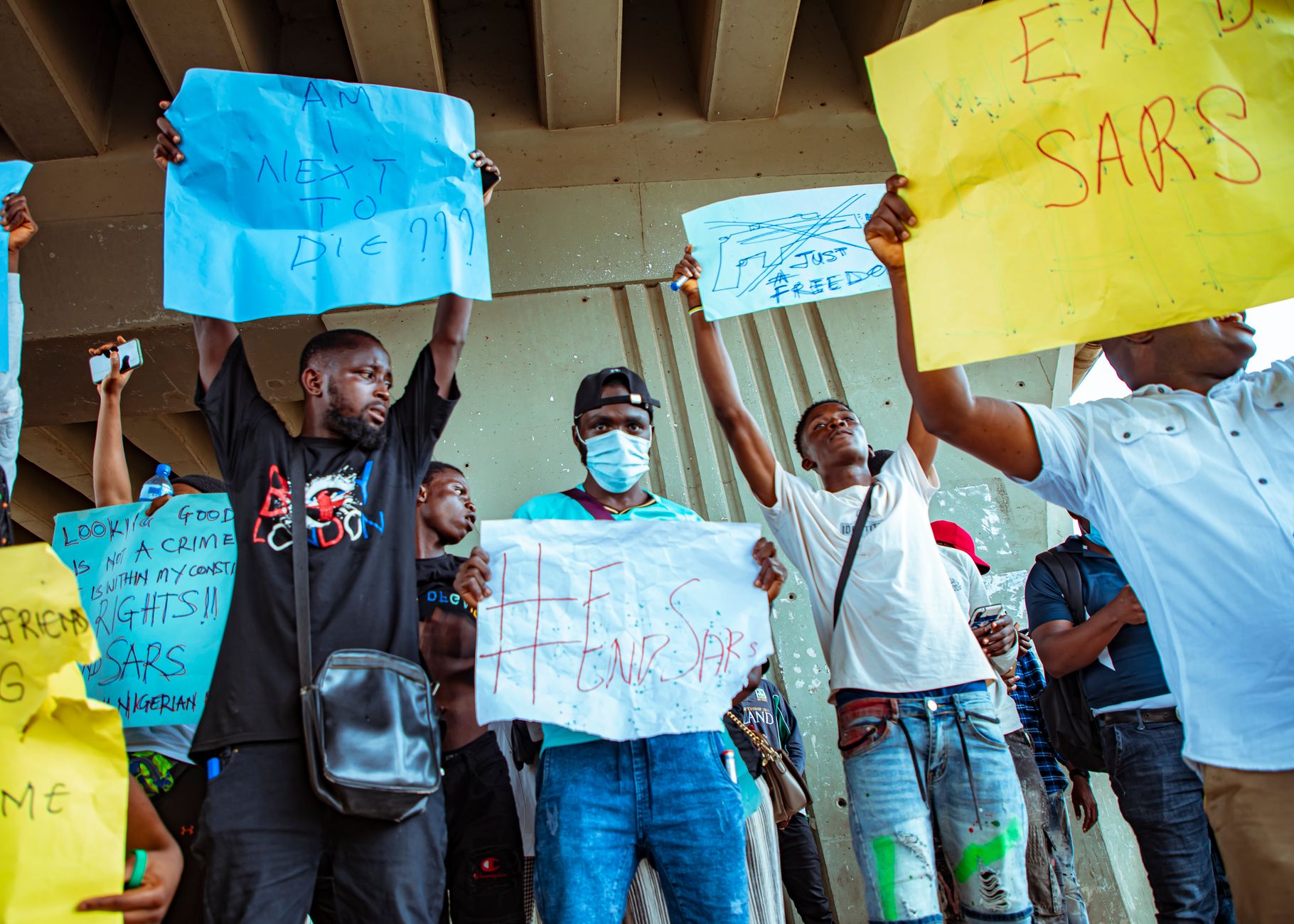
The latest reports point to a dangerous shift: migrants are not just being targeted in marches, but pressured where they live. The unrest is testing South Africa’s leaders, police and communities already strained by economic anger.
South Africa’s anti-immigrant protests have taken a more alarming turn, with Reuters reporting that protesters have gone door-to-door forcing immigrants from their homes.
That detail changes the stakes. A street march can be policed, negotiated with or dispersed. A crowd at someone’s front door turns a national argument over migration, jobs and public services into an immediate threat to families trying to stay safe.
Pressure moves to the doorstep
The Reuters report describes protesters targeting immigrants at home, a tactic that carries a different kind of menace from public demonstrations. It suggests an effort not only to send a political message, but to physically push people out of communities.
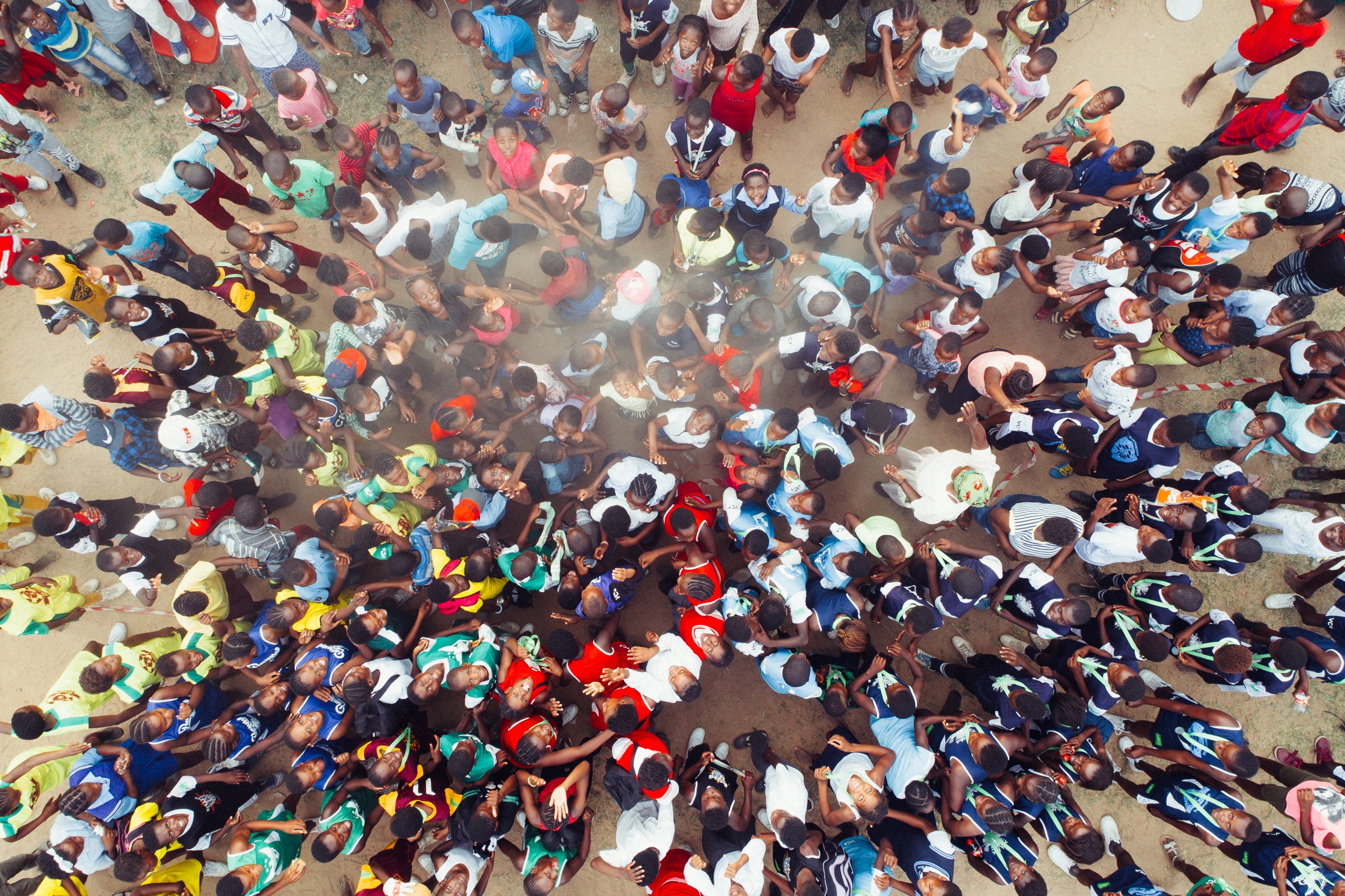
The people being targeted are largely migrants from elsewhere in Africa, according to The Washington Post, which reported that activists had set an unofficial “self-deport” deadline and that some migrants had already faced vigilante violence.
That phrase, “self-deport,” is doing a lot of work. It sounds administrative, but in practice it can mean people leaving because they believe staying could put them or their families in danger.
Reuters has also reported that thousands of foreign Africans are heading home or huddling amid the anti-immigrant unrest. For many, the choice may not be between staying and leaving comfortably. It may be between displacement now and the risk of being targeted later.
Why migrants are being blamed
The protests are unfolding in a country where frustration over jobs, crime, housing and public services has long been politically combustible. Migrants often become convenient targets when people feel the state has failed to deliver.
South African President Cyril Ramaphosa has warned against scapegoating migrants for economic problems, according to Reuters. That warning points to the core tension: legitimate economic pain can be redirected into anger at people with the least protection.
Anti-immigrant movements frequently frame their message around competition. They argue that outsiders are taking scarce jobs, housing or public benefits. But when that argument becomes door-to-door intimidation, it crosses from political protest into collective punishment.
The danger is that the public debate stops being about policy and becomes a test of who can be made to disappear from a neighborhood first.
Authorities are under pressure
South Africa has already moved to reinforce security. Reuters reported that the country deployed troops to bolster security during anti-migrant protests, while police arrested more than 900 people for offenses including immigration violations, public violence, robbery and harboring undocumented migrants.
Those arrests show how tangled the state response has become. Authorities are trying to contain public disorder while also enforcing immigration law, a combination that can leave vulnerable migrants unsure whether police presence means protection or risk.
That uncertainty matters. If migrants believe reporting threats will expose them to detention or deportation, they may avoid seeking help even when mobs arrive outside their homes.
For the government, the challenge is narrow but urgent: protect people from vigilante coercion without appearing to ignore broader public concerns about immigration, crime and economic hardship.
A familiar and dangerous pattern
South Africa has seen previous waves of xenophobic violence, especially targeting African migrants who run small businesses, rent rooms in crowded areas or work in informal sectors. The current reports fit a pattern in which anger moves quickly from slogans to raids, looting and forced displacement.
The latest door-to-door accounts are especially troubling because they suggest a level of organization. A crowd that goes house to house is not merely venting in a public square. It is identifying people, marking homes and deciding who belongs.
That kind of pressure can spread fear beyond the immediate targets. Even migrants who are not confronted may pack bags, close shops, keep children inside or avoid work. The result is a quiet hollowing out of daily life.
It can also leave local communities worse off. Migrant-owned shops, informal labor and cross-border family networks are part of many urban economies. Forcing people out may satisfy a political demand in the moment while deepening instability afterward.
The regional stakes are bigger
The unrest is not only a South African domestic issue. Many migrants in South Africa come from neighboring or nearby African countries, and pressure on them can ripple across borders.
When people flee, destination countries become transit points in reverse. Families may return to places where they have little money, weak support networks or few job prospects. Some may have lived in South Africa for years.
That is why the image of people “heading home” can be misleadingly simple. Home may mean a country of origin, but not necessarily safety, stability or a viable future.
The politics are regional, too. South Africa is one of the continent’s major economies. If it cannot contain anti-migrant vigilantism, it risks straining diplomatic relationships and undercutting its own standing as a regional power.
What to watch next
The immediate question is whether authorities can stop protesters from turning neighborhoods into enforcement zones. If door-to-door removals continue, the crisis could shift from protest management to mass displacement.
Several signals will matter in the coming days:
- whether police prevent home raids and intimidation rather than only responding after violence occurs;
- whether political leaders clearly separate immigration enforcement from mob pressure;
- whether migrant communities feel safe enough to report threats;
- whether neighboring countries begin receiving larger numbers of returnees;
- whether arrests focus on violence and coercion, not only immigration status.
The hardest part for South Africa’s government is that the protests draw power from real public frustration. But allowing that frustration to be aimed at migrants’ front doors would set a dangerous precedent.
A country can debate immigration policy. It can enforce its laws. It can respond to public anger over jobs and services. What it cannot afford is a parallel system where crowds decide who gets to sleep safely in their own home.








Leave a Reply