
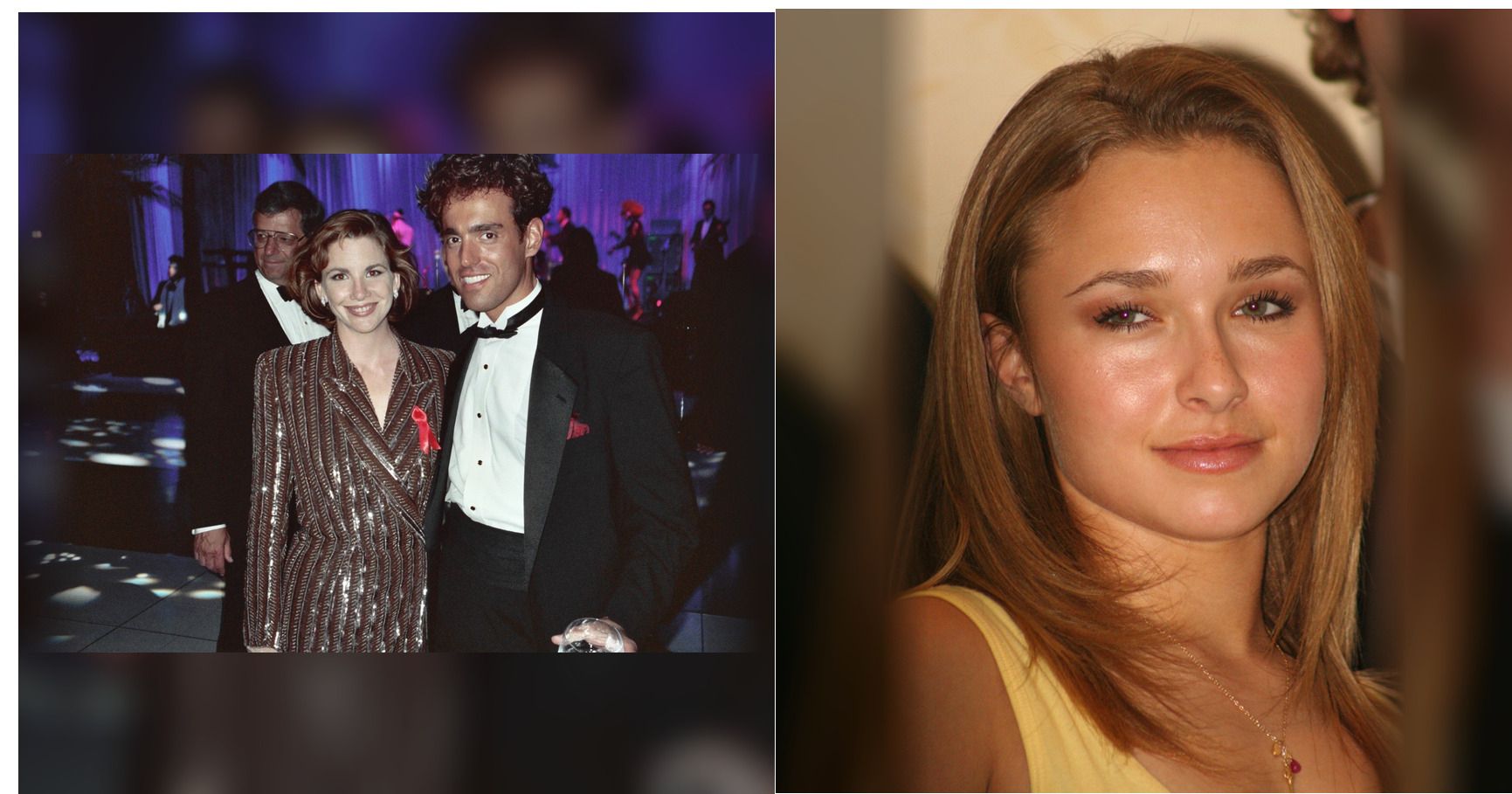
Gilbert’s essay turns grief over Hayden Panettiere’s death into a wider critique of how Hollywood treats young performers. Her proposed response reaches beyond public mourning to questions of workplace protections, privacy and support during adulthood.
Melissa Gilbert called for “real change” after Hayden Panettiere’s death, using an Aug. 22 essay to argue that Hollywood must provide better protections for child actors. Panettiere, 36, was found unresponsive in South Carolina on Aug. 16, and a cause of death had not been determined in reporting cited by USA Today.
Gilbert’s response is bigger than a celebrity tribute. The former Little House on the Prairie child star is seeking safeguards that would let young performers refuse unsafe demands, protect their privacy and access mental-health support as they move into adulthood.
Gilbert turns grief into a demand
In her Substack essay, titled Enough Is Enough, Gilbert wrote about Panettiere alongside fellow former child performers Michelle Trachtenberg and Daveigh Chase. She framed their deaths as profoundly personal, describing former child actresses as members of the same community whose losses reverberate through everyone who had comparable experiences.

Her central argument is that public concern has too often followed a familiar cycle: a tragedy prompts sorrow and calls for action, then attention shifts until another crisis arrives. Gilbert said that pattern is not the same as reform.
The distinction matters. A condolence post can acknowledge loss; policy changes require studios, networks, parents, agents, unions and lawmakers to decide who is responsible for a young performer’s safety after the cameras stop rolling.
Gilbert did not present a single legislative blueprint in the essay. Instead, she laid out a case for industry-wide cooperation and urged former child actors to organize, share ideas and press entertainment companies to confront exploitation directly.
What protections Gilbert is seeking
Gilbert’s essay centers on a basic workplace question that becomes more complicated when the worker is also a child: Can that person safely say no?
She wrote that young actors should not be expected to work through physical or emotional pain, carry the financial expectations of their families or endure constant surveillance from cameras, phones and invasive attention. Her concern is not simply the pressures of being famous. It is the imbalance of power when a child’s job, image and income may be controlled by adults.
- Clearer ability for child performers to refuse work that threatens their physical or emotional well-being.
- Greater protection from intrusive media attention and the always-on scrutiny of smartphones and social platforms.
- Free, accessible mental-health support as child actors transition into young adulthood.
- Coordination among studios, networks and former performers to reduce exploitation rather than merely react to it.
That last point is especially significant because Gilbert argues the transition out of childhood fame deserves as much attention as the work itself. A production may have rules governing a minor on set, but the emotional and financial consequences of early fame can extend long after a series ends or a film premieres.
Why the transition years matter
Gilbert drew on her own experience as a child performer, writing that she had worked while ill or injured and had felt pressure to continue. Those are her personal recollections, but they help explain why her proposal focuses on support beyond the set.
Panettiere also publicly described difficult experiences from her early career before her death. In her memoir, This Is Me: A Reckoning, published months earlier, she wrote about the strain of performing emotionally intense scenes as a child and about being sexualized as a teenager in Hollywood.
Those accounts do not establish that every child actor has the same experience, nor do they determine the circumstances of Panettiere’s death. The reported cause of death remained undetermined. But they sharpen Gilbert’s broader point: protections that look adequate on paper may not address the private pressures performers carry into adulthood.
The challenge is that child entertainment work occupies several worlds at once. It is employment, education, family business, public exposure and creative performance. A rule that addresses school hours or earnings may still leave gaps around psychological support, online harassment, coercive expectations or the loss of privacy.
Other former stars see a system problem
Gilbert was not alone in responding publicly. Anna Paquin, another actor who began working as a child, wrote on Instagram that former child stars were not always protected by systems that may appear sufficient on paper.
Rose McGowan, who appeared with Panettiere in the Scream franchise, took a more sweeping position, calling for an end to child acting. That view reflects a sharper conclusion: if show business places unusual demands on children, perhaps no safeguard can fully remove the risk.
Gilbert’s position is different. She did not call for the industry to stop employing young performers altogether. Her essay argues for making the system more accountable, with the people who profit from children’s work helping fund and build lasting support.
That disagreement is worth taking seriously. One side sees reform as possible through enforceable standards and care; the other questions whether the structure of child fame is compatible with a child’s well-being. Both positions reject the idea that personal resilience alone should solve a systemic problem.
Hollywood’s hardest accountability question
Entertainment companies already operate under various child-labor, education and financial rules, which can differ by location and production. Gilbert’s essay raises the question of whether those protections are broad enough for an era in which young performers can be watched, photographed and judged around the clock.
Her call for free mental-health care also shifts the discussion from crisis response to prevention. In practical terms, that could mean independent counseling, confidential reporting options, transition programs and clearer boundaries around work demands. Gilbert did not specify how such measures would be financed or enforced, and those unanswered details are central to whether the proposal could become policy.
There is also a tension around responsibility. Studios and networks may be able to influence on-set conditions, while parents, managers, agents, schools, platforms and media outlets shape different parts of a young performer’s life. Meaningful reform would require cooperation across that fragmented system, as Gilbert acknowledged.
Still, the lack of an easy fix does not weaken the question Gilbert is pressing: who remains accountable when a child performer becomes an adult whose early work helped generate years of revenue and public attention?
A call that asks for follow-through
Gilbert’s essay arrives in a period of mourning, but its target is the industry’s tendency to let mourning become the endpoint. She is asking former child actors to form a collective voice and asking studios and networks to engage in direct conversations about reducing exploitation.
Whether that develops into a formal advocacy group, new labor standards or voluntary studio programs remains unclear. No specific proposal, timeline or commitment from major entertainment companies was identified in the reporting.
What is clear is the standard Gilbert is setting for the conversation after Hayden Panettiere’s death. Sympathy, she argues, should be accompanied by structures that give child performers more agency, more privacy and more support when childhood fame gives way to adult life.









Leave a Reply