

Carville says Donald Trump’s early approval numbers point to a political slide, while Trump says his polling is stronger than ever. The disagreement is less about whether polls exist than what such a short run of data can reliably show.
James Carville confronted a Fox News host during an appearance on Hannity, using Donald Trump’s poll numbers to argue that support for the president was already weakening. Carville used Donald Trump’s poll numbers in the exchange to challenge the idea that Trump’s political position was secure, pointing to early surveys that showed a modest decline in approval.
The clash matters because both sides are making much larger claims from a small amount of polling data. Carville called the trend the beginning of a collapse; Trump later said on Truth Social that he had the best polling numbers he had ever had.
Carville’s case on Hannity
The Democratic strategist’s basic argument was not that one poll had settled the political future. It was that the direction of the numbers, combined with Trump’s policy agenda, should make Democrats less inclined to panic or overreact.
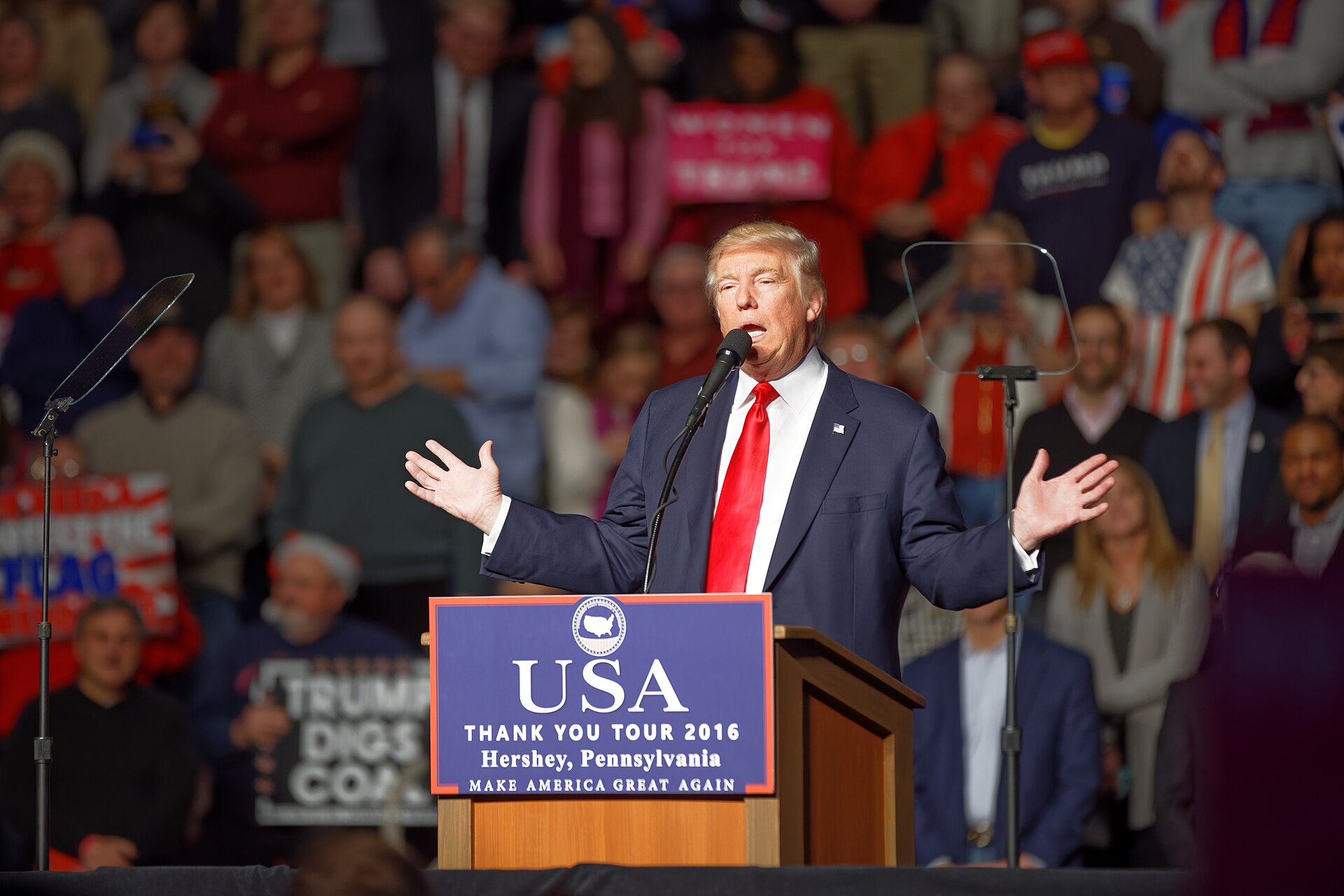
According to reporting by The Hill, Carville said Trump’s polling “collapse is already underway” while appearing on Fox News. He argued that proposed changes involving Medicaid and tax cuts benefiting wealthy Americans could make the president less popular over time.
Carville’s political advice followed from that reading: Democrats, he said, should let the consequences of Trump’s agenda become clearer to voters rather than trying to force every political confrontation. It is a familiar Carville posture—combative in delivery, but centered on a practical argument about voter reaction.
He also broadened the conversation beyond approval ratings, predicting Democrats would win Virginia’s next governor’s race and reclaim the House in the following election cycle. Those are predictions, not polling outcomes, and they depend on candidate quality, economic conditions, turnout and events that have not yet occurred.
What the early polls showed
The immediate evidence cited in the reporting was narrower than Carville’s language. Three national polls released that week showed Trump’s approval rating had declined slightly during his first month in office.
A small movement across several surveys can be politically meaningful, especially when a new administration is trying to establish momentum. But it does not automatically establish a sustained collapse, a settled public verdict, or a reliable forecast for the next midterm election.
One additional data point in the available research came from the Yale Youth Poll’s spring 2026 survey. It found 57% of voters disapproved of Trump’s job performance and 41% approved. The survey also found especially high disapproval among younger voters.
That result supports Carville’s broader contention that Trump has vulnerabilities, particularly with young voters. Yet a single poll is not interchangeable with a polling average, and its findings should be read alongside its methodology, sample and field dates.
Why the numbers invite debate
Approval polling is among the most frequently cited numbers in American politics because it offers an easy storyline: rising numbers suggest momentum; falling numbers suggest trouble. The reality is more complicated.
Polls differ in whom they survey, how they reach respondents and how they calculate likely voters. A result from registered voters, for example, may not match one limited to likely voters. Different wording and field dates can also produce different snapshots.
That is why polling averages can be more useful than a dramatic single result. They reduce the influence of an outlier, though they cannot eliminate uncertainty or account for a sudden event that changes public opinion.
Carville referred to a RealClearPolitics polling average when saying Trump was the lowest-rated president at that point in a presidency. That framing emphasizes historical comparison. Critics of such arguments can reasonably counter that early approval is volatile and that broad labels can outrun what the underlying data proves.
Trump rejects Carville’s reading
Trump did not accept the premise that his standing was deteriorating. In a Truth Social post the next morning, he said he had “the best polling numbers I’ve ever had” and sharply criticized Carville and Democratic leaders.
The dueling messages reflect a recurring feature of political polling: elected officials and strategists often choose the measurement that best fits their case. One side may highlight job approval; the other may cite issue polling, internal data, favorable pollsters or changes among particular voter groups.
Neither response changes the need for readers to distinguish between a claim about current opinion and a prediction about future elections. A president can have weak approval yet see his party perform well in a particular race. A favorable number can also fade quickly if voters grow dissatisfied with the economy, health care policy or another highly visible issue.
The policy stakes behind the argument
Carville tied his polling argument to policy, especially Medicaid and tax policy. That is politically important because voters often assess an administration through concrete questions: household costs, access to health care, jobs and whether the tax system appears fair.
The Yale Youth Poll likewise identified cost of living and affordability as the leading issue for young voters, followed by corruption, democracy, health care and housing. Those priorities offer a clearer clue to what could move opinion than a single exchange on cable television.
If voters believe policies worsen their daily financial position or threaten benefits they rely on, approval can fall. If they see improvement in costs, employment or security, an administration can recover. Polling measures the reaction at a moment in time; it does not lock that reaction in place.
What remains unproven
Carville’s Fox News argument put real early polling movement at the center of a larger Democratic narrative: that Trump’s support is softening and Republicans could pay for it at the ballot box. The available surveys provide some evidence of early weakness, but not enough to confirm the scale or permanence of the shift he described.
Trump’s rebuttal underscores the other unresolved question: which polling measures, if any, will better track the electorate as policy fights develop? The answer will require more than one month of approval surveys.
For now, the exchange is best understood as an argument over trend lines, not a final judgment. Carville presented the numbers as a warning sign for Trump; Trump treated them as a selective political attack. The more revealing evidence will be whether voters’ views move consistently across multiple polls and whether those changes hold when elections arrive.







Leave a Reply