
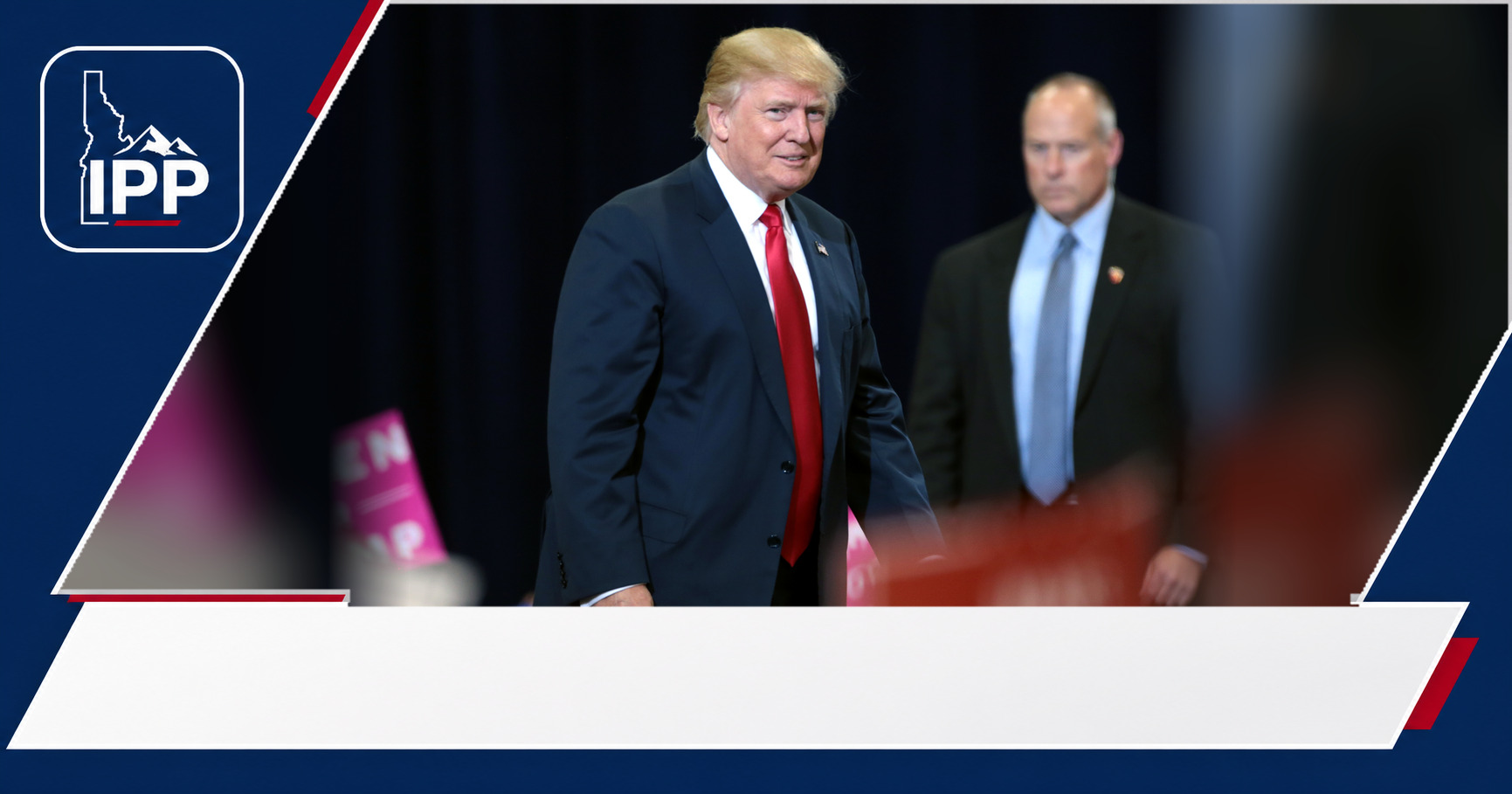
Trump said annual exercises were too costly and hostile to North Korea, and he linked the planned reduction to Seoul’s refusal to join U.S. action involving Iran. South Korea said it was reviewing the remarks as attention turned to how much the drills will change.
Annual U.S.-South Korea military exercises are meant to keep the two allies prepared for a crisis on the Korean Peninsula. Trump has put that routine in doubt by saying the United States will “substantially reduce” the joint drills.
The announcement drew attention because Trump tied the exercises not only to cost and his relationship with North Korean leader Kim Jong Un, but also to South Korea’s refusal to join U.S. action involving Iran. The practical question now is what “substantially reduce” will mean for training, coordination and deterrence.
Training is the practical core of the alliance
The U.S.-South Korea alliance dates to the Korean War and the 1953 armistice that halted fighting without a formal peace treaty. The two countries later entered a mutual defense treaty, and U.S. forces have maintained an ongoing presence on the peninsula under that arrangement.
Joint exercises are used to practice how U.S. and South Korean forces would communicate, move personnel and equipment, make decisions and respond together during a crisis. Readiness depends on repeated, shared practice as much as on the presence of troops or weapons.
The planned Ulchi Freedom Shield exercise was expected to last 11 days and involve about 18,000 South Korean troops, according to military officials cited by the BBC. U.S. and South Korean commanders had said it would be broadly similar in scale to prior drills.
Trump’s stated reasons
Trump announced the planned reduction in a Truth Social post before the annual exercises were due to begin. He argued that the drills were costly and sent what he called an inappropriate and hostile signal to North Korea.
He said it was too late to cancel the exercises outright, then wrote that he had instructed Secretary of War Pete Hegseth to “substantially reduce” them.
Trump also referred to South Korea’s refusal to participate in the U.S. effort to “denuclearize” Iran. He wrote that he had asked South Korea’s president whether Seoul would join the United States in that effort and that South Korea said, “No thanks!”
In the same post, Trump cited what he described as his very good relationship with Kim Jong Un.
Seoul reviewed the remarks as Pyongyang stayed silent
South Korea said it was reviewing Trump’s comments. Seoul also said it hoped a favorable relationship between Washington and Pyongyang could lead to meaningful talks.
Earlier, South Korea had said the drills with the United States would proceed “as scheduled.” Trump’s post said the exercises were too close to cancel, leaving the scale of any reduction unclear.
North Korea had not commented on Trump’s remarks when the BBC reported on them. The country has long criticized U.S.-South Korean exercises as rehearsals for invasion, and its foreign ministry criticized the latest drills shortly before Trump’s announcement.
The announcement also came after North Korea conducted ballistic missile tests this month that are banned by the United Nations.
Experts focused on coordination and deterrence
Leif-Eric Easley, a professor at Ewha University in Seoul, told the BBC that combined exercises are essential to force readiness. He warned that scaling them back could harm alliance coordination, slow South Korea’s assumption of greater defense responsibility and weaken deterrence in Asia.
Those concerns are about more than one exercise. If the allies train less together, analysts and critics cited in reporting have focused on whether they can maintain the habits, command relationships and shared procedures needed in a fast-moving crisis.
The Associated Press framed the move as raising broader U.S. security concerns because Trump appeared to favor a better relationship with Kim while pressing a treaty ally over an unrelated dispute involving Iran.
What remains unresolved
There is precedent for changing drills during diplomacy with North Korea. In 2018, the Defense Department said the U.S. military had suspended planning for Ulchi Freedom Guardian in concert with South Korea and consistent with Trump’s approach to North Korea.
The Defense Department said at the time that Ulchi Freedom Guardian was an annual U.S.-South Korean command-and-control exercise designed to enhance readiness, protect the region and maintain stability on the Korean Peninsula.
This time, the administration had not publicly detailed what a scaled-down version of the training would look like, how long the reduction would last or what North Korean action, if any, could affect future decisions.
For now, the alliance remains in place and the exercises are expected to proceed in some form. Because Trump cited South Korea’s Iran response, the announcement leaves Washington’s partners to watch how the United States balances treaty commitments, alliance readiness and disputes over other U.S. operations.






Leave a Reply