
The Justice Department has not announced a Supreme Court filing, but Todd Blanche’s comments signal that the administration sees the conflict over state voter rolls as a possible national legal test. The exact states, claims and case posture have not been detailed.
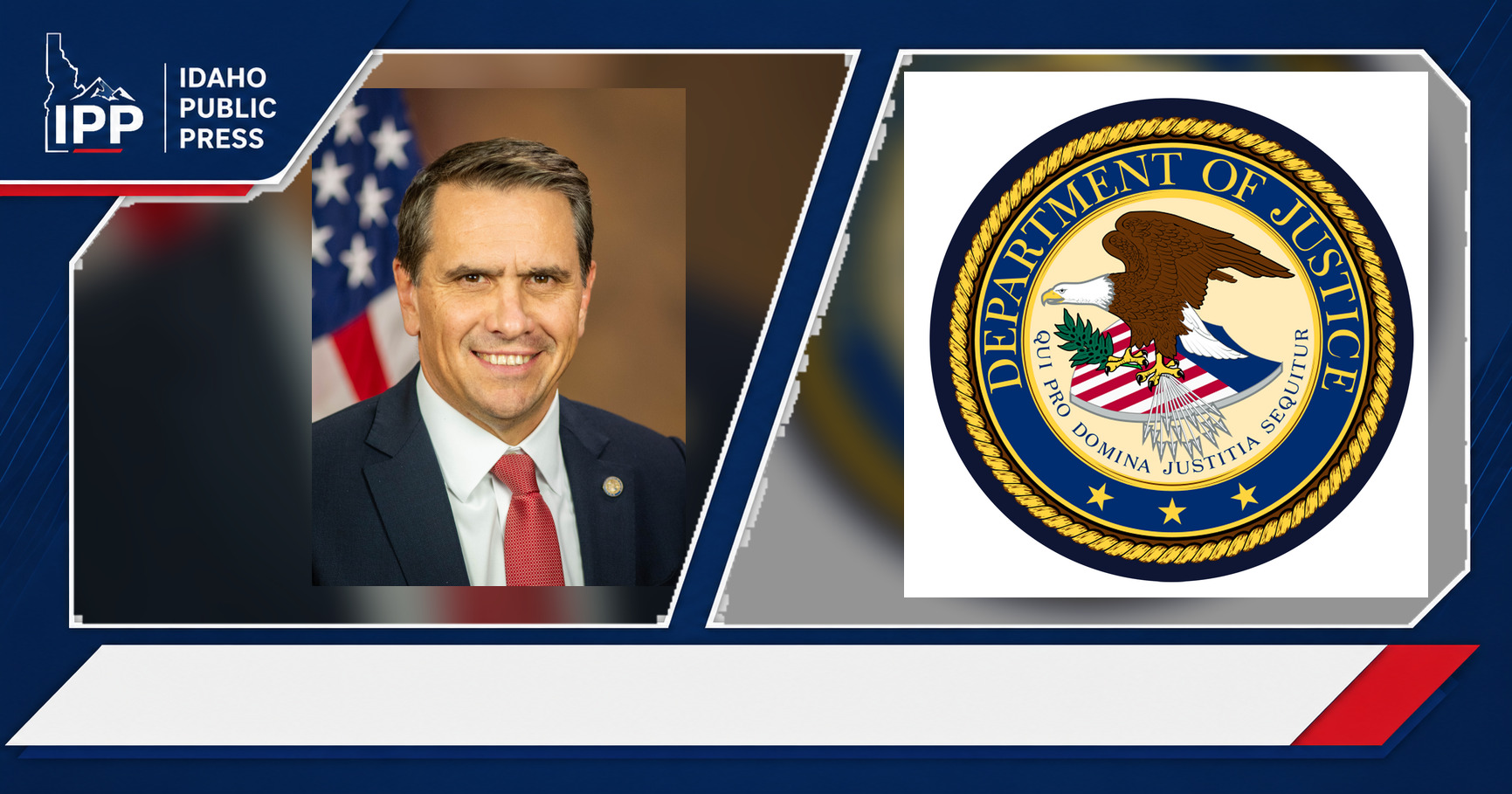
Attorney General Todd Blanche said the U.S. Department of Justice may take the states’ voter roll dispute to the Supreme Court, raising the prospect that the Trump administration’s fight over state voter rolls could become a national legal case.
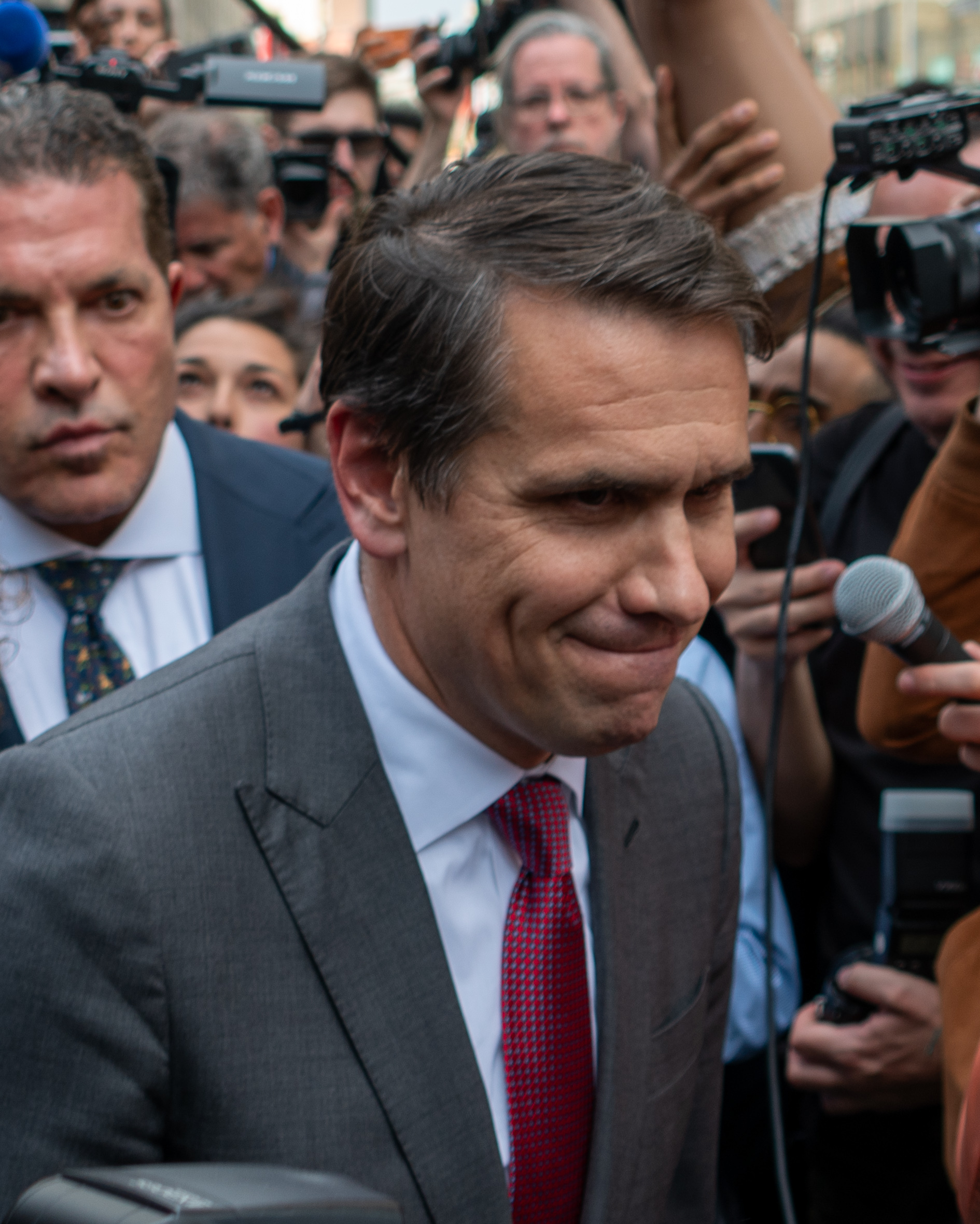
In an Aug. 16 NBC News interview on Meet the Press, Blanche said Supreme Court action was “absolutely” a possibility. The comment matters because voter rolls sit at the intersection of state-run elections, federal voting law and competing concerns about accurate registration lists and eligible voters being wrongly removed.
Blanche raised a possibility, not a filing
The clearest point from Blanche’s remarks is also the narrowest: the Justice Department is considering a potential path to the Supreme Court. NBC News’ video report did not identify a specific petition, lawsuit, state or lower-court ruling that the department intends to challenge.
That distinction is important. Saying an appeal is possible does not mean one has been filed, accepted or even formally authorized. It also does not reveal whether the department would seek review after a final lower-court decision, pursue emergency relief, or intervene in litigation already underway.
For now, the public record described in the NBC report establishes the administration’s posture, not the legal blueprint. Any assessment of the strength of a future case would depend on facts that have not been laid out publicly: the state policy at issue, the federal law cited, the lower-court rulings and the relief the DOJ would seek.
What a voter-roll dispute can involve
Voter rolls are the official state and local lists of people registered to vote. Election offices use them to determine who can receive a ballot, vote at a polling place or participate in other stages of the election process.
Maintaining those lists is routine but politically sensitive. Officials must account for voters who have moved, died, changed names, become ineligible under state rules or asked to cancel registration. They also must avoid removing voters who remain eligible but whose records are incomplete, outdated or wrongly matched to someone else.
The phrase “voter-roll fight” can cover very different disputes. It may concern access to data, the timing and method of list maintenance, how citizenship or residency information is evaluated, or whether a state’s removal process complies with federal protections. Blanche did not provide those specifics in the NBC clip.
That missing detail limits what can responsibly be concluded. The debate is not yet a defined Supreme Court case in the public account; it is a possible escalation of a broader conflict between the federal government and states.
State control meets federal rules
States administer elections, including voter registration and the maintenance of voter files. That gives state election officials substantial responsibility for building procedures, managing records and conducting elections.
At the same time, federal law places limits on how states handle registration. Federal voting laws address issues such as registration opportunities, list-maintenance practices and protections against discriminatory or improper barriers to voting. Federal courts are often asked to decide where those rules constrain state choices.
This overlapping authority is why voter-roll cases can reach higher courts. A disagreement that appears technical—how a record is verified or when a name may be removed—can raise larger constitutional and statutory questions about state sovereignty, federal enforcement power and access to the ballot.
A Supreme Court dispute could therefore matter beyond any one state. Depending on the legal question presented, a ruling could affect how courts evaluate election-list policies elsewhere, though no outcome can be predicted without an actual case and record.
The competing concerns behind list maintenance
Supporters of more aggressive voter-roll maintenance generally argue that states need complete, current records to prevent administrative errors, reduce duplicate registrations and strengthen public confidence in election systems. They often contend that election officials should be able to use reliable information to identify outdated registrations.
Voting-rights advocates and some election administrators warn that flawed or rushed removal processes can disenfranchise eligible people. They point to the practical difficulty of determining whether someone has truly moved, whether data sources are current, and whether voters receive sufficient notice and a fair chance to correct an error.
Neither concern is abstract. A registration list that is poorly maintained can create confusion for voters and election workers. A list-cleaning process that relies on inaccurate data can burden lawful voters, especially people who move frequently or have common names.
Those competing risks are why the factual details would matter so much in any DOJ challenge. Courts generally do not decide voter-list issues in the abstract; they evaluate particular policies, evidence and legal claims.
What the DOJ would need to show
If the Justice Department does pursue Supreme Court review, it would need to identify a legal question warranting the justices’ attention. The court hears only a small share of the petitions it receives, and it often looks for major unresolved questions, conflicting lower-court decisions or issues with broad national consequences.
The DOJ would also need a procedural vehicle. In many cases, a party asks the Supreme Court to review a decision from a federal appeals court or a state’s highest court. In time-sensitive election litigation, parties sometimes seek emergency orders, but Blanche’s comments did not indicate that such a request was planned.
The department’s eventual position could focus on a state’s authority, the federal government’s ability to enforce voting laws, or the interpretation of a particular federal statute. None of those legal theories was specified in the NBC report.
That makes the next document more consequential than the television comment: a complaint, appellate brief, petition or court order would show exactly what the administration is challenging and what remedy it wants.
Why the next details matter
Blanche’s statement puts the Supreme Court into a debate that already carries intense political and practical stakes. Registration rules affect election offices long before Election Day, while litigation can force officials and voters to adjust to changing requirements on short notice.
Still, the immediate development is a declaration of possibility rather than a confirmed Supreme Court battle. There is no announced filing in the source material, no identified state defendant and no public description of the voter-roll policy at the center of the conflict.
For voters, the most useful takeaway is straightforward: the status of a registration is governed by state and local election officials unless a court changes the applicable rules. A potential Justice Department case could reshape the legal landscape later, but Blanche’s remarks alone do not alter voter-registration procedures.
The unanswered questions—what state practice is contested, what federal authority the DOJ would invoke and whether the Supreme Court would hear a case—will determine whether this becomes a major election-law ruling or remains a pressure point in the administration’s broader voter-roll fight.





Leave a Reply