

The sentence closes one chapter in a case that became an early test of Trump-era immigration enforcement inside local courts. But the conviction itself still carries weight for judges, lawyers and immigrants showing up for hearings.
Former Milwaukee County Circuit Judge Hannah Dugan will not go to prison for her role in a courthouse encounter with immigration agents, according to reports from Reuters and The Washington Post.
The sentence spares Dugan the harshest outcome after a conviction that became a national symbol: to supporters, an example of a judge targeted in a political immigration fight; to critics, proof that no courtroom official is above federal law.
A sentence without prison
Dugan, 67, had faced the possibility of prison after a jury convicted her in December in a case tied to an attempted arrest by U.S. Immigration and Customs Enforcement agents at a Milwaukee courthouse.
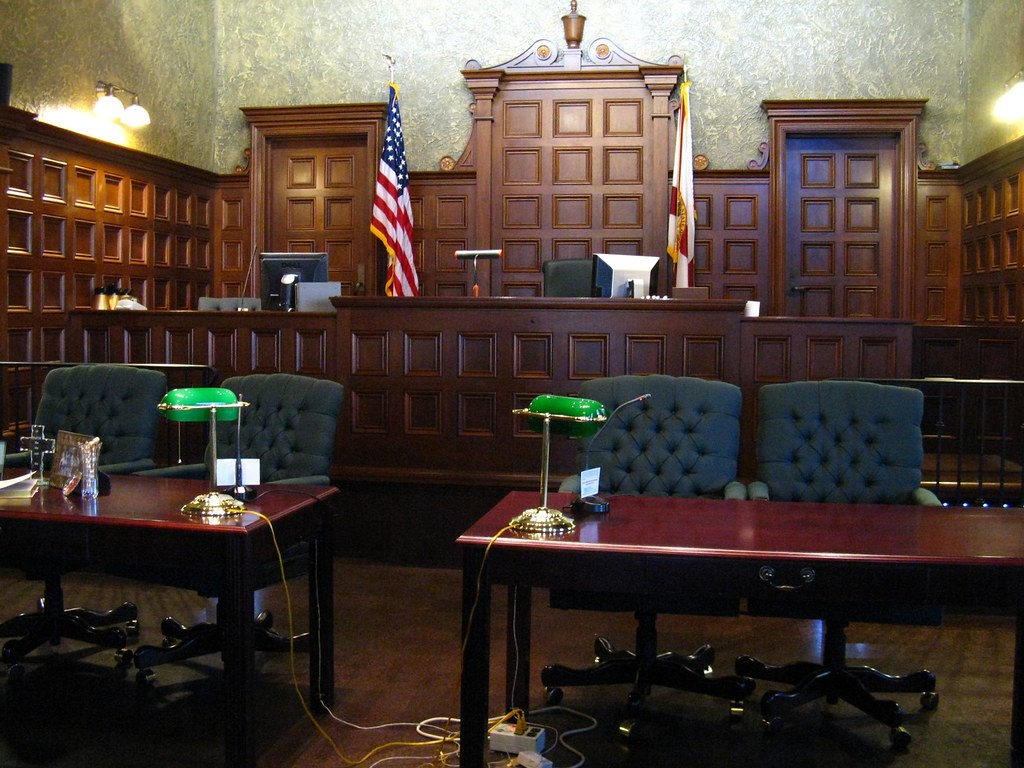
The Washington Post reported that Dugan was spared prison Wednesday after being accused of ushering a Mexican defendant, Eduardo Flores-Ruiz, through a jury room door while ICE agents waited in a hallway to arrest him.
The case drew national attention because it sat directly at the intersection of local court operations and President Donald Trump’s aggressive immigration enforcement agenda. It was never just about one courthouse hallway. It was about who controls the space around a courtroom when federal immigration agents arrive.
The no-prison outcome also reflects a point the Associated Press noted before sentencing: federal guidelines generally pointed toward probation for a defendant with no criminal history convicted of a nonviolent offense.
The conviction still stands
The sentence does not erase the conviction. That matters.
In June, U.S. District Judge Lynn Adelman declined to throw out Dugan’s obstruction conviction, according to the Associated Press. Dugan’s attorneys had argued that the conviction should be overturned after a federal appeals court ruling in a separate Virginia immigration case narrowed how obstruction law could apply in some ICE-related situations.
Adelman rejected that argument. He said the attempted arrest of Flores-Ruiz counted as a “pending proceeding,” in part because it was a planned and targeted ICE operation rather than a random encounter, the AP reported.
Dugan’s defense team criticized the ruling at the time, saying, “The court’s decision is wrong,” according to the AP. Prosecutors had argued that the Virginia case was factually different and did not undermine Dugan’s conviction.
Why the hallway mattered
The core allegation centered on what happened inside a courthouse, not at a border crossing or during a street stop. That is why the case became so charged.
Courthouses depend on people showing up: defendants, witnesses, victims, jurors and family members. Immigration arrests at or near courthouses can chill attendance, immigrant-rights advocates have long argued, because people may fear that any contact with the justice system could expose them to detention.
Federal authorities, on the other hand, have argued that courthouses can be practical places to locate people already scheduled to appear and that immigration enforcement cannot stop at the courthouse door simply because a local case is underway.
Dugan’s case put those competing claims in their sharpest possible form. A sitting judge was accused of interfering with federal agents. Her defenders saw a judge trying to preserve courtroom order and fairness. Her critics saw an official helping a defendant avoid lawful custody.
A Trump-era test case
The AP described the prosecution as an early test of how courts would respond to Trump’s sweeping immigration crackdown. That political backdrop shaped the reaction from the beginning.
Trump allies cast Dugan as an activist judge. Her supporters said she was unfairly targeted. Those two interpretations have fueled nearly every stage of the case, from the initial arrest to the conviction, the resignation and now the sentence.
Dugan resigned from the Milwaukee County Circuit Court after her conviction, the AP reported. The resignation came amid threats of impeachment from Republican state lawmakers, underscoring how quickly the case moved from a criminal proceeding into a state and national political fight.
The legal question was narrower than the politics around it: whether Dugan’s actions obstructed a federal immigration proceeding. But the public debate was broader and more explosive: whether local judges should resist, accommodate or remain strictly neutral when ICE enters courthouse spaces.
The stakes for local courts
Even without prison time, the conviction sends a warning to court officials. Judges, clerks and courtroom staff operate in a system where local criminal proceedings, civil cases and federal immigration enforcement can collide.
For judges, the case raises practical questions. What should happen if immigration agents appear outside a courtroom? What information can court staff provide? When does managing a courtroom become interference with a federal operation?
For immigrants and their attorneys, the case reinforces a different anxiety: that attending a local court hearing may carry immigration consequences beyond the case on the docket. That concern can affect everything from criminal defense to domestic violence proceedings to witness cooperation.
The sentence may reduce the immediate personal consequences for Dugan, but it does not settle those institutional questions. If anything, the conviction may make courthouse actors more cautious the next time ICE agents show up.
What remains unresolved
The biggest unresolved issue is whether Dugan’s conviction will survive any further appeals. Her lawyers have already challenged the legal foundation of the case, and the AP reported that they disputed Adelman’s refusal to overturn the conviction.
The broader policy fight is also far from over. Federal immigration enforcement at courthouses has shifted over time depending on administration priorities, agency guidance and litigation. A single sentence in Wisconsin will not create a national rule.
Still, the case now has a clear headline result: Dugan avoided prison, but she did not avoid a criminal conviction, the loss of her judgeship or a place in one of the most divisive legal fights of the Trump immigration era.
That distinction is the real takeaway. No prison time may sound like a soft landing. For the courts, the message is harder: the boundary between courtroom authority and federal immigration enforcement remains contested, and crossing it can carry lasting consequences.










Leave a Reply