
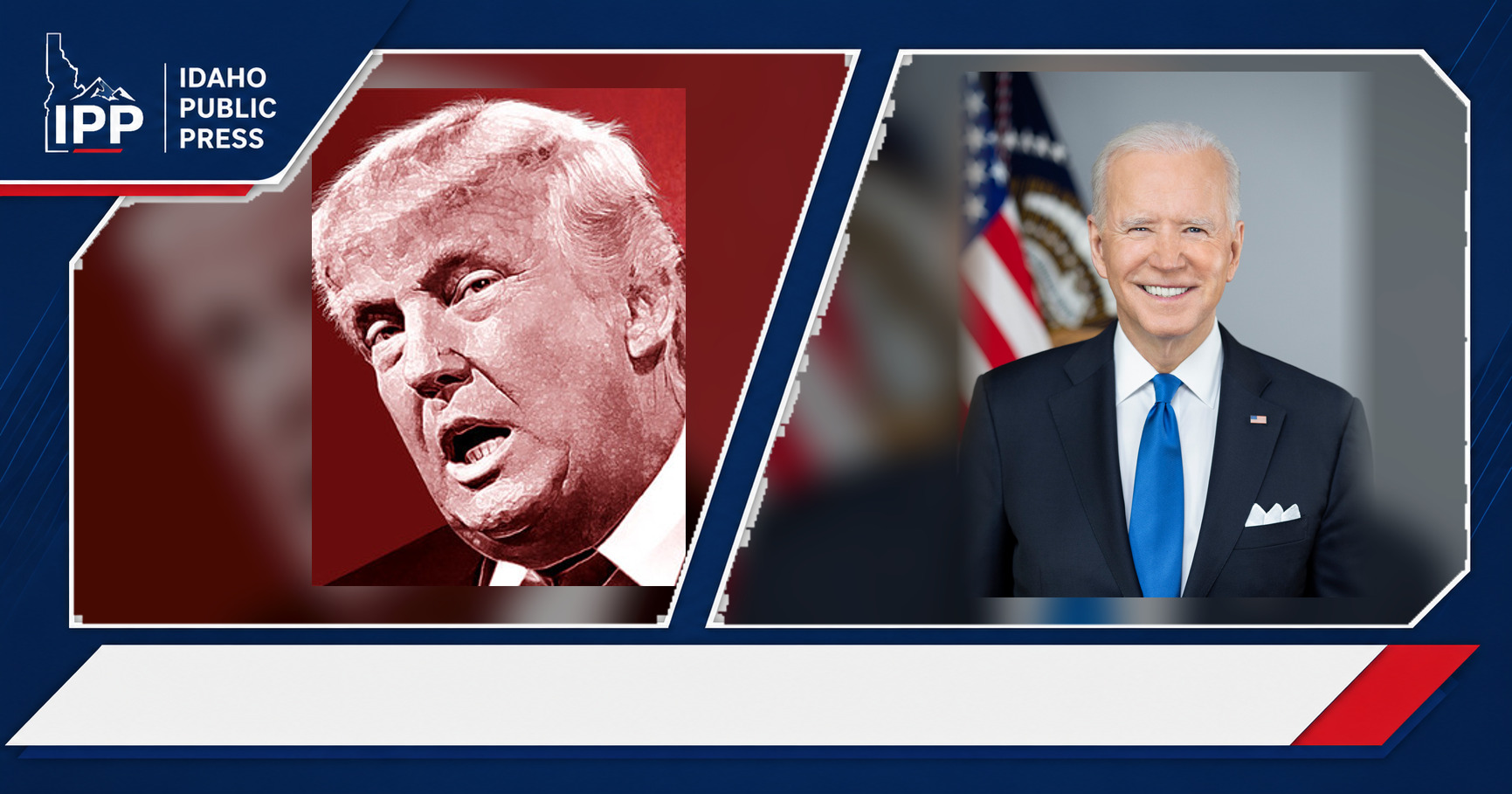
The exchange centers on a familiar Washington argument: how long a new president can point to inherited conditions before voters expect results. The available reporting leaves key details of the interview unclear, but the dispute reflects a larger battle over economic accountability.
A Republican representative was pressed about blaming Joe Biden for the economy, with the questioning described as occurring 18 months into Donald Trump’s presidential term. The dispute over the United States economy matters because it puts a basic political question in focus: how much responsibility can the Republican Party assign to Biden while Trump has been in office for a year and a half?
The available report identifies the confrontation but does not provide the representative’s name, the interview venue, a full exchange or the specific economic measure under discussion. That limits what can be concluded about the individual encounter. Still, the argument captures a broader fight over prices, wages, household costs and who voters believe is responsible for the economy they experience.
When does economic ownership shift?
Presidents inherit an economy already shaped by years of decisions: Federal Reserve policy, congressional spending, tax law, global energy markets, business investment and consumer behavior. That reality gives any incoming administration a legitimate basis to discuss conditions it received.
But political accountability is not frozen on Inauguration Day. As time passes, voters, lawmakers and interviewers tend to assess a president’s own agenda as well as the legacy of the prior administration. Eighteen months is long enough for that question to become harder to avoid, particularly when the party in power is promoting its own economic program.
That does not mean every economic problem emerging during a Trump presidency began with Trump, or that every improvement should automatically belong to Trump. It means the explanation requires more than a single name. Economic outcomes often have several causes operating on different timelines.
The Biden argument Republicans make
Republicans have repeatedly argued that Biden-era policies contributed to higher costs and a less affordable economy. Their case generally rests on concerns about federal spending, energy policy, regulation and the lasting effects of inflation that squeezed household budgets.
For many voters, the most immediate economic test is not a national statistic but the cost of groceries, housing, insurance, electricity and other essentials. If those expenses remain high, a message about lingering damage from the prior administration can retain political force.
The congressional record also shows affordability was a major theme in House debate earlier in 2026. During a February 24 House proceeding, Republican lawmakers argued that proposed legislation concerning home appliances and electrification subsidies would lower costs, while Democrats disputed their broader economic framing. That debate illustrates how economic blame is often tied to specific policy fights rather than just broad campaign rhetoric.
Why critics push back now
Critics of the Biden-blame argument say that a president cannot indefinitely campaign against a predecessor while claiming credit for the powers of office. Once an administration has had time to set priorities, pursue legislation, issue regulations and shape the public debate, critics contend, it should answer for its own results.
That is the pressure reflected in the questioning of the GOP representative. The challenge is not necessarily that Biden’s decisions have no continuing effects. It is whether those effects are a complete explanation for present conditions during Trump’s term.
Democrats are likely to argue that the Trump administration and congressional Republicans should be judged on the policies they support now, including any changes to spending, taxes, trade, energy or consumer protections. Republicans, by contrast, may argue that reversing a predecessor’s policies takes time and that some economic effects cannot be quickly undone.
Economic data rarely settle the fight
Political debates about “the economy” often flatten several different experiences into one phrase. Inflation can cool while prices remain far above where families remember them. Pay can rise while rent, borrowing costs or health-care bills continue to strain a household budget.
Employment, wage growth, consumer confidence, gasoline prices, mortgage rates and grocery costs can also point in different directions at the same time. A family paying less at the pump may still feel worse off if housing is unaffordable. A worker whose pay has increased may still feel behind if past price increases outpaced earlier raises.
That complexity leaves room for both parties to emphasize the indicators that best fit their message. It also makes blanket claims of success or failure difficult to evaluate without identifying the specific measure, time period and policy being discussed.
- Inherited conditions: Policies and price pressures can persist beyond an administration.
- Current choices: Presidents and Congress still influence economic expectations and policy direction.
- Personal experience: National averages do not always match what households see in their monthly budgets.
What the report does not establish
The available source material confirms the core premise that a GOP representative was pressed over blaming Biden for the economy 18 months into Trump’s term. It does not independently establish which representative was involved, what the person said in full, where the questioning occurred, or whether the discussion centered on inflation, jobs, growth, tariffs, housing or another issue.
Those missing details matter. A lawmaker responding to a question about high prices, for example, may be making a different claim from one responding to a question about unemployment or stock-market performance. Each measure has its own causes and timeline.
The description of the timing also comes from the report’s headline rather than a full transcript or independently supplied event record. Readers should treat the exchange as a window into the larger accountability argument, not as proof that one administration alone caused the country’s economic conditions.
The accountability test ahead
The political value of blaming a former president depends on whether voters find the explanation credible in their daily lives. If people believe present policies are improving their financial position, the party in power can argue that its approach is working. If they feel costs remain stubbornly high or opportunities limited, arguments about inherited problems may become less persuasive over time.
For Trump, Biden and the Republican Party, that means the economic debate will continue to be less about a single televised exchange than about who can offer the clearest explanation for what families are paying and earning. The GOP representative’s questioning underscores the central tension: past policy can matter, but governing parties are eventually expected to account for the present.





Leave a Reply