

The exchange was about more than a presidential boast. It put Trump’s confidence in his political standing beside the mounting midterm concerns facing congressional Republicans.
Donald Trump claimed he is “one of the greatest presidents ever” while discussing the possibility that Democrats could control the House, and reporter Jake Sherman challenged the assertion in a pointed exchange. Trump appeared taken aback by the response, according to coverage of the interview, turning a familiar Trump self-assessment into a revealing moment about his political confidence.
The sharper issue is not whether a president can call his own record historic. It is whether Trump’s belief in his standing with voters can protect Republicans from an election environment that has made many in the party uneasy.
A boast amid midterm anxiety
Trump’s remark came in a conversation centered on whether voters who support him would still turn out if he is not on the ballot. He said some voters were angry with Republicans but not with him, framing the distinction as a major question for the party heading into the midterms.
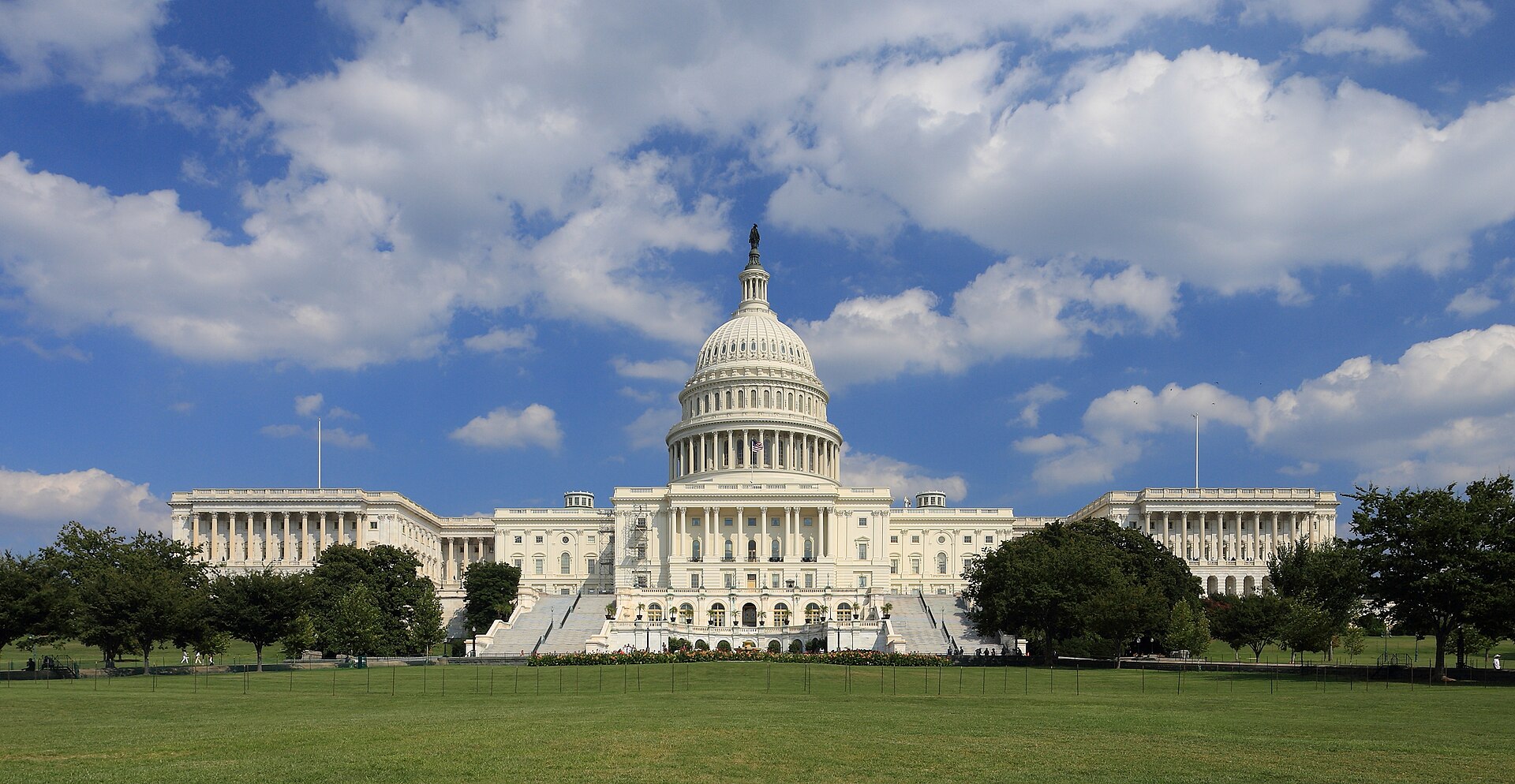
That argument has real consequences. A Democratic House majority could investigate the administration, slow or block parts of Trump’s legislative agenda, and reshape the final stretch of his term. It would also put Republican candidates in the difficult position of running alongside Trump’s record without being able to rely on his name appearing on their ballots.
In the interview, Trump presented himself as a uniquely durable political figure. His claim to be among the nation’s greatest presidents was part of that broader case: that accomplishments he sees in his administration will ultimately outweigh current frustration and weak polling.
Sherman’s response changed the moment
Jake Sherman’s response challenged the premise rather than allowing the assertion to pass as campaign rhetoric. Coverage characterized Trump as visibly deflated or taken aback after the pushback, though a person’s reaction in a brief video exchange is necessarily open to interpretation.
The notable part was the contrast in styles. Trump made an expansive statement about his place in history; Sherman brought the conversation back to the claim itself. That kind of exchange can appear minor, but it tests an argument that is usually delivered at rallies, in social-media posts, or in settings where supporters are more likely to reinforce it.
Presidents routinely defend their records, and political reporters routinely press them on broad claims. What made this exchange travel was the unusually elevated standard Trump invoked. Calling oneself one of the greatest presidents ever invites comparison not just with political rivals, but with the full history of the office.
Trump’s case rests on personal support
Trump has long argued that conventional political measures fail to capture his appeal. In the CNN transcript discussing the interview, he said Republicans may face voter anger but maintained that the anger is not directed at him personally.
That distinction is central to his political strategy. Trump can argue that his coalition remains intact even if voters are unhappy about prices, jobs, foreign policy, or Congress. His allies can also argue that negative polling reflects temporary conditions rather than a lasting rejection of his agenda.
Critics see a risk in that reading. They argue that voters rarely separate a president so neatly from the party governing alongside him, particularly when economic concerns dominate. If Republicans lose ground, the question will be whether dissatisfaction with the party was ever truly separate from dissatisfaction with the White House.
- Trump’s view: His personal connection with supporters can motivate voters even when they are frustrated with Republicans.
- Critics’ view: A president’s approval, economic conditions and party performance are closely linked in midterm elections.
- The electoral test: Whether candidates can convert Trump’s loyal support into turnout in races where he is not the candidate.
Economic worries complicate the message
The exchange landed as the administration faced unwelcome economic headlines. CNN’s discussion of the interview cited a July report showing that U.S. employers lost 23,000 jobs, along with downward revisions to prior months’ job gains. The unemployment rate ticked down, but the report said that was largely tied to people leaving the labor force.
Trump, by contrast, described the country as entering a “golden age” and said economic polling should be far higher. Supporters may see that optimism as a necessary counterweight to bleak coverage and a reflection of policies they believe will pay off over time.
Opponents argue that voters judge the economy through household costs, wages, job security and confidence about the future—not presidential language. The gap between Trump’s upbeat account and the concerns expressed by voters could become a major vulnerability if it persists closer to Election Day.
History is not settled in real time
Claims of presidential greatness are difficult to evaluate while an administration is still governing. Historians typically weigh long-term outcomes, legislative achievements, wars, economic performance, institutional norms and the consequences of major decisions over decades, not news cycles.
Trump’s supporters point to his disruption of Washington, immigration policies, judicial appointments, trade posture and willingness to confront institutions they believe had become unaccountable. His detractors point to polarization, the effect of his governing style on democratic norms, and the policy and political turbulence surrounding his presidencies.
Those competing views are unlikely to be resolved by one interview answer. But Trump’s decision to frame his record in historical terms signals the message he wants voters to hear now: not that his presidency should be judged by a difficult moment, but that it should be judged as exceptional.
The House fight is the real measure
The immediate political question is more concrete than Trump’s place in history. Can Republicans hold the House, or will Democrats gain enough seats to take control and constrain the administration?
Trump’s confidence may reassure supporters and help keep attention on his preferred narrative. Yet it also raises expectations. If Republicans struggle in competitive districts, Democrats will argue that the exchange exposed a White House more focused on self-validation than on the concerns driving voter unease.
For now, the Sherman moment stands as a compact version of the larger midterm argument. Trump is betting that his personal political strength remains greater than the warning signs around his party. The election, rather than a reporter’s comeback, will provide the clearest answer.







Leave a Reply