
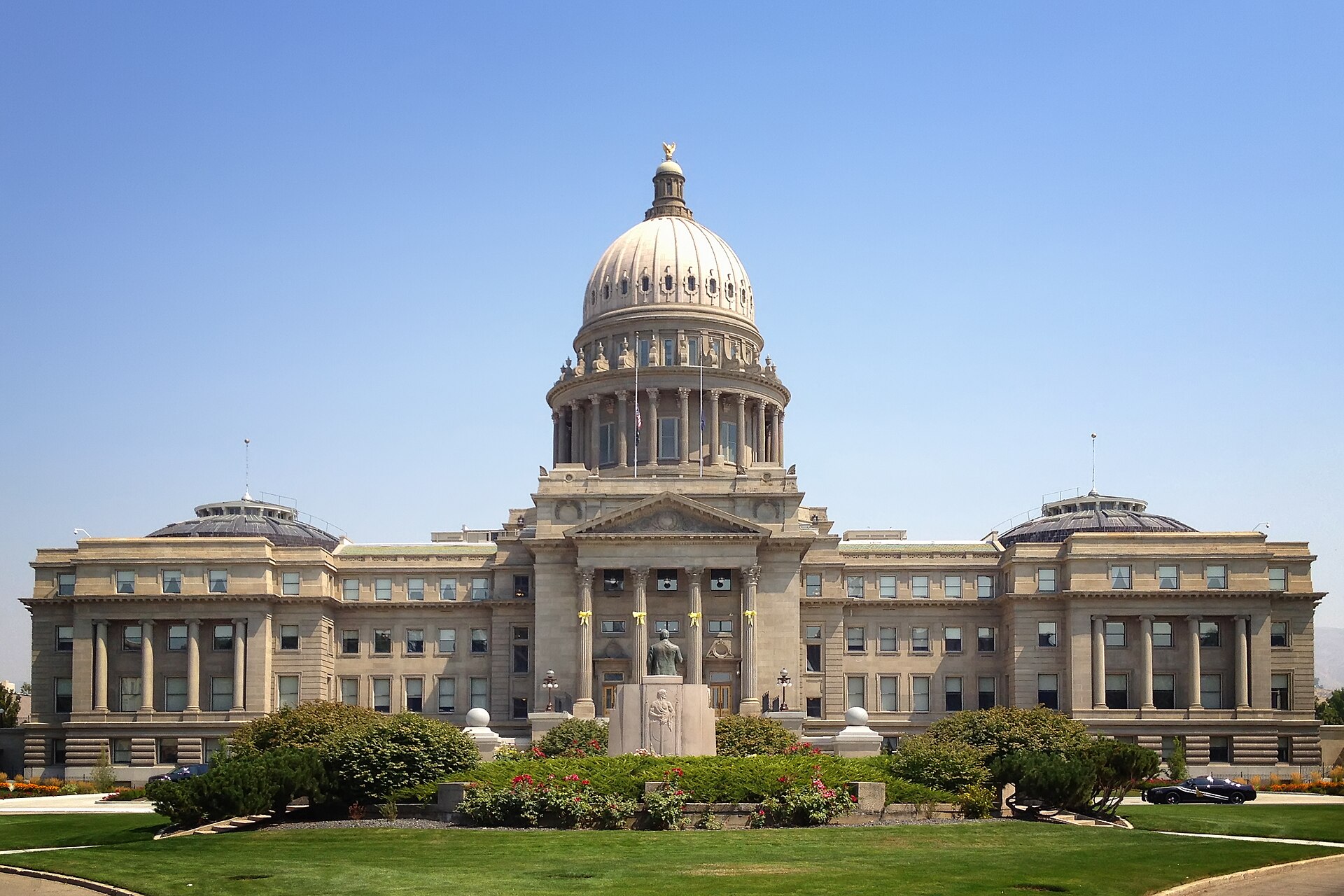
The claim is striking because Idaho has long been a deeply conservative state. The available reporting points to an internal Republican conflict over ideology, governing priorities and who gets to define the party.
An embarrassed Republican said the Republican Party is in big trouble, and the Republican Party is facing difficulties in Idaho, a red-state stronghold where fights inside the GOP can carry unusual weight. The available material does not identify the Republican or spell out a specific new event behind the warning, but it points back to a visible struggle over the party’s direction.
That matters because Idaho’s Republican contests are often battles over what conservatism should look like in practice: more confrontational, populist politics or a more conventional governing approach. A party can remain electorally powerful while still being deeply divided over its leaders, priorities and tone.
Why Idaho is the key setting
Calling Idaho a Republican stronghold does not mean every Republican agrees on what the party should be. In states dominated by one party, the most consequential political fight may happen before a general election, in primaries, local party organizations and contests for legislative seats.
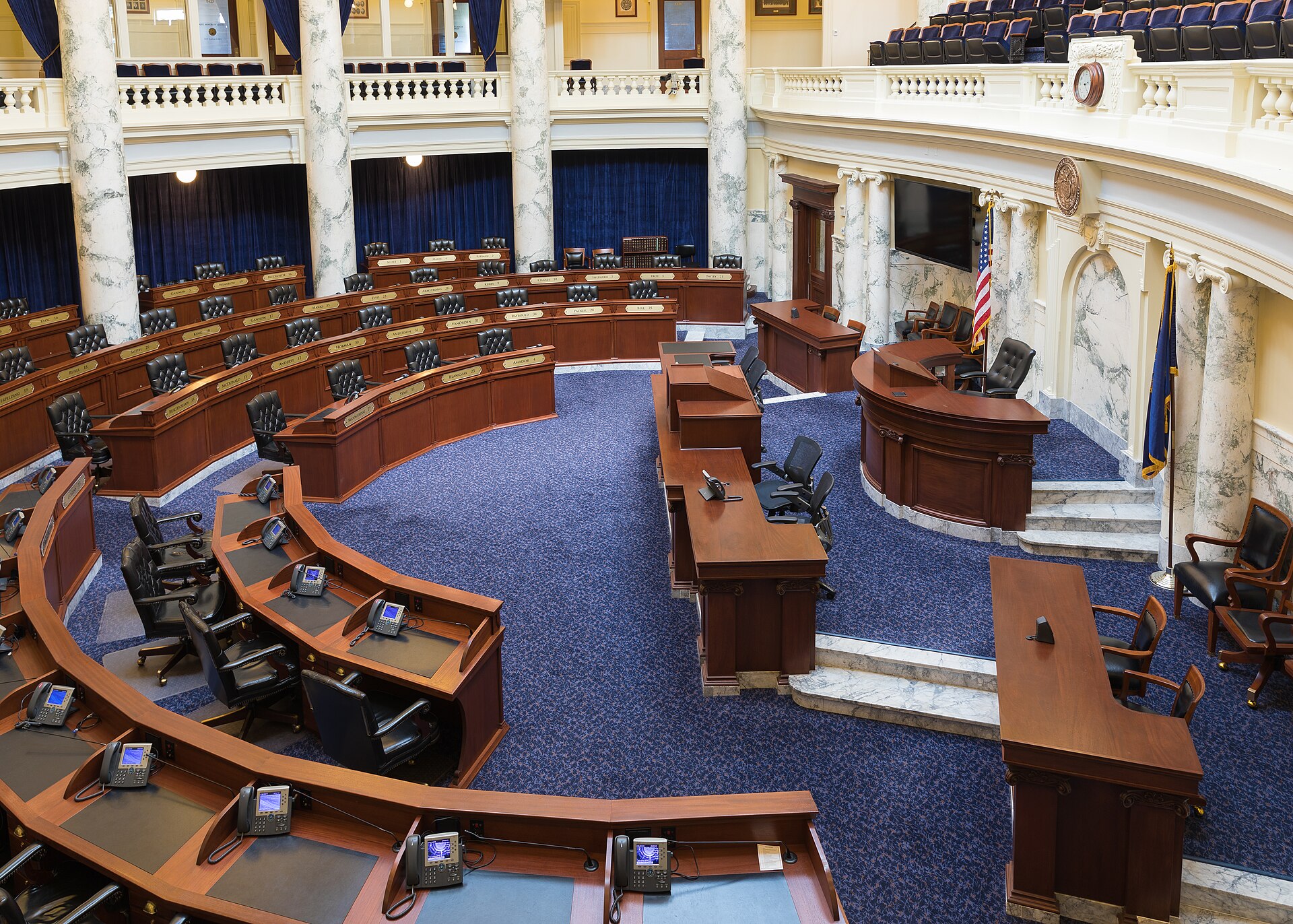
That changes the meaning of a claim that the GOP is in trouble. It may describe a fight for control within the party rather than an immediate threat from Democrats in a statewide race. The available source material supports the existence of that internal tension, but not a conclusion that Idaho Republicans are on the verge of losing their broad political advantage.
The distinction is important. “Trouble” can mean a fractured coalition, a damaging public image, difficulty recruiting candidates, conflict over policy, or a more basic argument about loyalty and identity. Those are different problems, and the material supplied does not establish which one the unnamed Republican had in mind.
An older rift never fully disappeared
NPR reported on April 7, 2022, that Idaho had become one of the sharper battlegrounds between more moderate Republicans and party activists aligned with the far right. The report described primary races as a test of how far right the state GOP could move.
Its reporting centered on Republicans who argued that conspiracy theories, inflammatory tactics and ideological purity tests were displacing attention from practical governing issues. Jennifer Ellis, a cattle rancher and lifelong Republican, told NPR that people like her had stayed quiet too long, allowing extremists to gain influence.
Ellis helped form Take Back Idaho, a political action committee that sought to unseat far-right legislators. NPR said the group had raised close to $100,000 at that point and was targeting at least 16 lawmakers. That effort illustrated the depth of the dispute: these were Republicans organizing against other Republicans, not simply an argument across party lines.
Other Idaho conservatives saw the picture differently. NPR quoted state GOP delegate Doyle Beck, who criticized what he called the status quo and argued that conservatives had worked to push the party toward reducing government and business taxes. From that view, the conflict was not evidence of a party failing; it was a necessary correction of an establishment that had grown too accommodating.
Primaries turn disagreement into power
In a heavily Republican state, a primary can determine far more than the nominee. It can decide which wing of the party writes the agenda, controls local organizations and sets the boundaries of acceptable Republican politics.
NPR’s 2022 account captured how labels can become political weapons in that environment. Republican officials and candidates described as insufficiently conservative could be attacked as “RINOs,” or Republicans in name only. The pressure was not limited to policy differences; it also involved who could credibly claim the Republican label.
That is why an internal warning can resonate even without a single headline-grabbing loss. A party may win elections while alienating elected officials, longtime activists or voters who believe the movement no longer represents them. Conversely, activists who want a sharper ideological turn may view that discomfort as proof that their strategy is working.
- One view: ideological escalation can weaken governing capacity and split a durable coalition.
- The opposing view: a more forceful conservative agenda can make the party more accountable to its base.
- The unresolved issue: whether the party can accommodate both impulses without turning every contest into a loyalty test.
Governing disputes raise the stakes
The fault line NPR documented was not only cultural. Ellis cited infrastructure and school funding as issues she believed were receiving too little attention amid disputes over conspiracies and symbolic fights. The report also noted debates around libraries and claims about Canadians crossing the border to vote—an assertion for which NPR said there was no evidence.
Those examples show why internal party battles can have consequences beyond campaign rhetoric. When officials, activists and voters disagree about which problems deserve attention, they can also disagree about budgets, education, public services and the role of state government.
Critics of the party’s rightward pull argue that this can crowd out day-to-day problem solving. Supporters of that direction may argue that cultural issues, distrust of institutions and limits on government are themselves core governing concerns, not distractions. The disagreement is therefore not easily settled by asking whether the party is unified; it is about what unity would require.
What the warning does not prove
The supplied headline identifies neither the embarrassed Republican nor the precise facts behind the assessment that the GOP is in big trouble. It should not be read, on its own, as evidence of a new election result, a verified leadership crisis or a statewide shift in voter behavior.
The available detailed reporting is also from 2022, so it provides context rather than a complete account of Idaho’s current political landscape. It documents an established conflict between Republican factions, but it cannot by itself confirm the scale, cause or immediate consequences of the latest warning.
Still, the claim draws attention to a durable political reality. In Idaho, the Republican Party’s biggest test may not be whether it can win as a party. It may be whether its competing factions can decide what winning is supposed to mean—and whether governing remains possible after the primary fight is over.






Leave a Reply