
The fight is not only about immigration policy. It tests whether a president can narrow a constitutional guarantee that has long been understood to cover most children born on U.S. soil.
Donald Trump has launched a new challenge to birthright citizenship in the United States, but the challenge faces significant legal obstacles. The dispute centers on whether the federal government can deny automatic citizenship to some children born on U.S. soil because of their parents’ immigration status.
Trump’s effort to restrict birthright citizenship is likely to face an uphill legal battle because it collides with the Fourteenth Amendment’s citizenship language and a long legal tradition treating birth in the country as the central rule. The coming court fights could determine how far a president may go without a constitutional amendment or new action by Congress.
The constitutional language at stake
The Fourteenth Amendment says that all people born or naturalized in the United States, and “subject to the jurisdiction thereof,” are citizens of the United States and the state where they live.
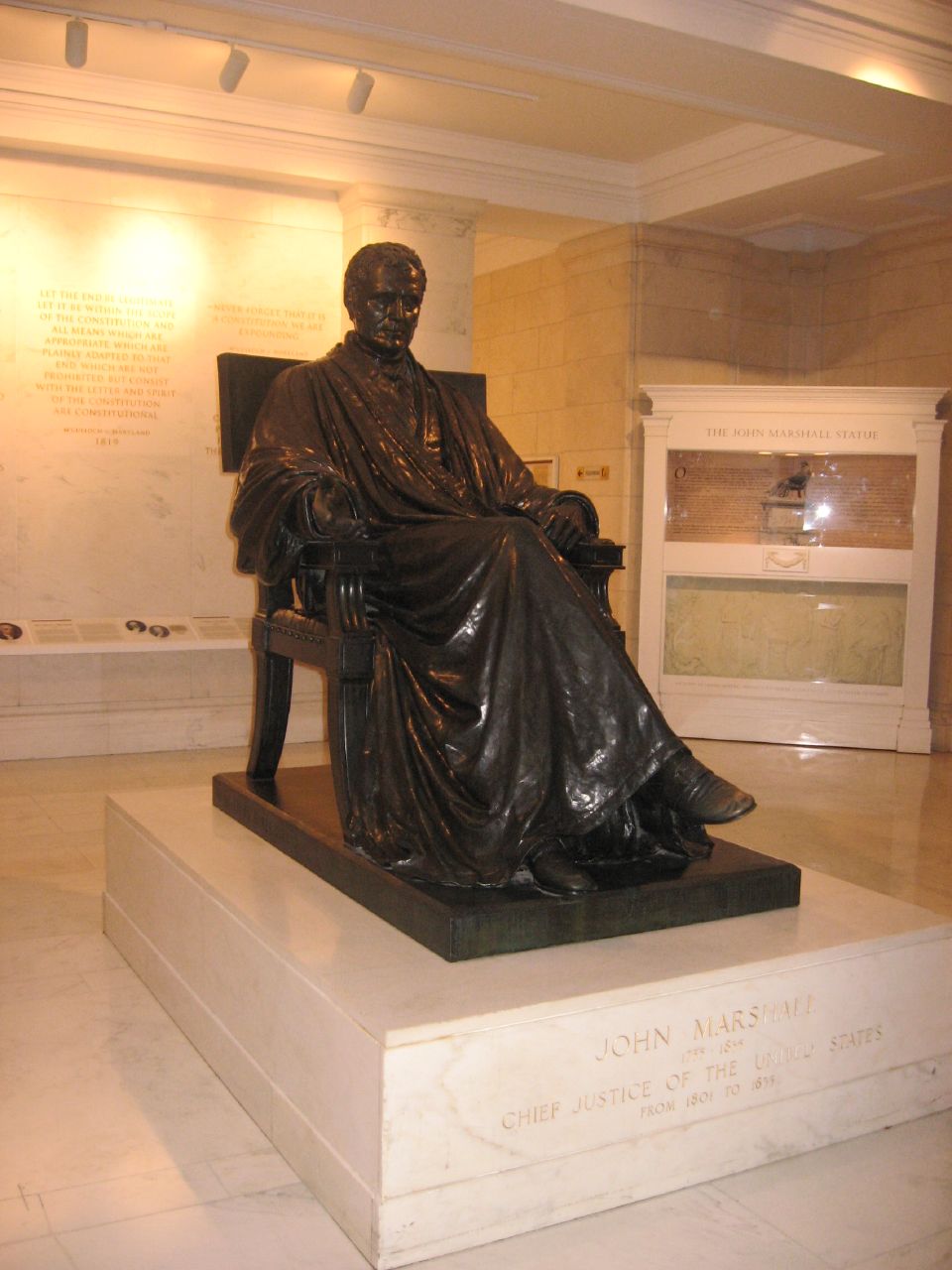
That wording was ratified after the Civil War and directly overturned the Supreme Court’s notorious Dred Scott ruling, which had denied that people of African descent could be U.S. citizens. Its citizenship clause established a national constitutional rule rather than leaving the question solely to states or shifting political majorities.
The legal argument now turns on the phrase “subject to the jurisdiction.” Trump’s position, laid out in Executive Order 14160, contends that the phrase excludes children born to mothers who are in the country unlawfully, or lawfully but temporarily, when the father is neither a citizen nor a lawful permanent resident.
Under that order, federal agencies would not issue documents recognizing U.S. citizenship to children in those categories. The order says it would not affect children of lawful permanent residents.
Why the administration sees room
The White House argument is not that the Fourteenth Amendment has no limits. It points to accepted exceptions, including children of foreign diplomats, who are generally not treated as subject to U.S. jurisdiction in the relevant constitutional sense.
The administration argues that being physically present in the United States is not always enough. Its reading draws a sharper line between people who owe full political allegiance to the country and people whose presence is unauthorized or temporary.
Supporters of the policy say the issue has been treated too casually for too long. They argue that immigration enforcement and citizenship rules should not operate independently, and that the Constitution’s jurisdiction language must carry real legal weight.
That view also has a political appeal for people who believe automatic citizenship encourages unauthorized immigration. But a politically forceful argument is not necessarily one courts will accept under existing constitutional doctrine.
A century of precedent stands in the way
The biggest obstacle is the Supreme Court’s 1898 decision in United States v. Wong Kim Ark. The Court held that a man born in San Francisco to Chinese immigrant parents was a U.S. citizen, grounding its analysis in the common-law principle of birthright citizenship.
That decision is often described as establishing the modern baseline: with narrow exceptions, birth in the United States brings citizenship. The parents in Wong Kim Ark were not U.S. citizens, which makes the case especially important to the current controversy.
Trump’s legal position depends on persuading courts that the precedent either does not control the circumstances covered by the executive order or should be read more narrowly than birthright-citizenship supporters contend. That is a demanding task.
Courts generally give serious weight to settled Supreme Court interpretations of the Constitution. A president can direct executive agencies, but an executive order cannot by itself erase a constitutional right as the courts have traditionally understood it.
The case reaches beyond immigration
This is why the litigation matters well beyond the families directly covered by the policy. It raises a broader separation-of-powers question: can the executive branch redefine a constitutional citizenship rule through its own interpretation of disputed language?
Opponents say no. They argue that citizenship at birth is a constitutional guarantee, and that changing such a foundational rule would require a constitutional amendment, not an agency policy or presidential order.
They also warn of practical consequences. If citizenship depends on a parent’s immigration category at the moment of birth, hospitals, state agencies and federal offices could face difficult questions about documentation, parentage and legal status before issuing birth records, passports or Social Security documents.
Supporters answer that administrative difficulty should not control constitutional meaning. In their view, the government has an obligation to apply the correct interpretation even if it requires a major change in how agencies process citizenship claims.
The Supreme Court question is now sharper
A June 30, 2026 Supreme Court document in Trump v. Barbara frames the issue directly: whether the Constitution guarantees citizenship to children born in the United States to parents who are unlawfully present.
That formulation underscores how narrow and how consequential the coming legal analysis may be. The dispute is not simply whether birthright citizenship exists; it is whether the longstanding rule covers a particular group of U.S.-born children whose parents lack lawful immigration status.
The available court document identifies the question presented, but that alone does not resolve how the justices will answer it or what the final scope of any ruling could be. The wording of a decision, if one issues, would matter as much as the headline result.
A ruling could address constitutional citizenship directly, focus on the limits of executive power, or leave important implementation questions for lower courts and federal agencies.
What remains uncertain for families
For now, the central legal conflict is clear. The administration relies on a narrower reading of constitutional jurisdiction, while challengers rely on the Fourteenth Amendment’s text, its Reconstruction-era purpose and precedent beginning with Wong Kim Ark.
The ultimate outcome could affect children born after any policy takes effect, as well as the federal and state systems that document citizenship. It could also establish a major precedent for how aggressively future presidents can revisit rights protected by constitutional language.
Trump’s renewed challenge has put birthright citizenship back at the center of the national immigration debate. Yet the question before the legal system is more enduring than any one administration: whether a right long tied to birth on American soil can be narrowed by a new interpretation of who falls under U.S. jurisdiction.
Sources: Executive Order 14160, “Protecting The Meaning and Value of American Citizenship,” published by the White House in January 2025; the Fourteenth Amendment; United States v. Wong Kim Ark (1898); and the Supreme Court’s June 30, 2026 document in Trump v. Barbara.


Leave a Reply