
The death of a 71-year-old Downieville resident was initially believed to have occurred before a bear entered her home. Autopsy findings and DNA testing changed that account, highlighting concerns about bears becoming accustomed to homes and human food.
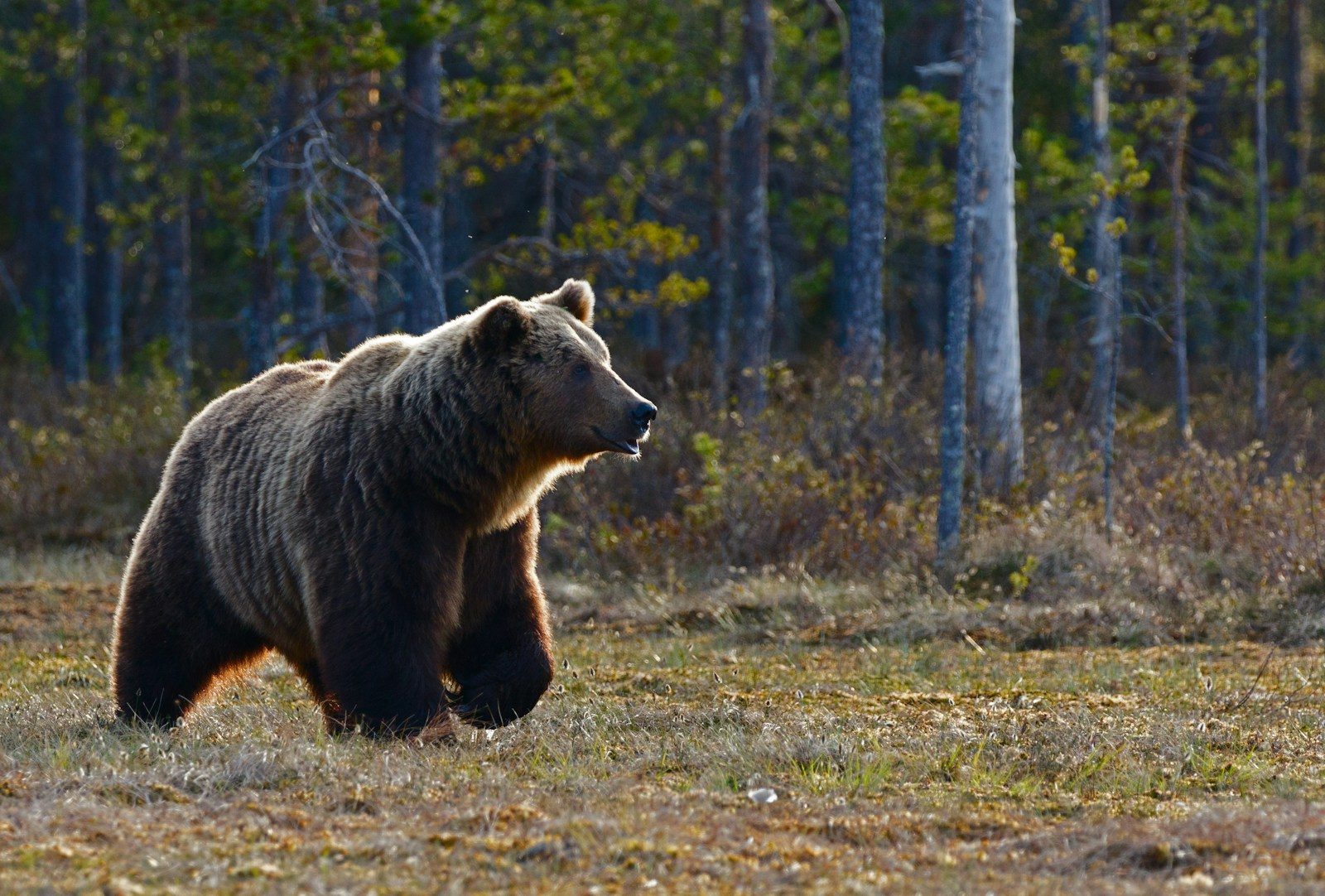
A black bear fatally attacked 71-year-old Patrice Miller in Downieville, California, in 2023, and officials said the attack lasted about an hour. California Department of Fish and Wildlife officials confirmed the fatal black bear attack was the first documented case of a black bear killing a person in California, an extraordinary finding in the Sierra Nevada community.
Miller was found in her home on Nov. 8 after Sierra County sheriff’s deputies were asked to check on her. The case initially appeared to involve a bear that arrived after her death, but autopsy findings and DNA evidence led investigators to a far different conclusion.
A discovery that changed course
Deputies went to Miller’s residence after she had not been seen for several days, Sierra County Sheriff Mike Fisher told KCRA. They found a damaged door and bear scat on the porch before entering the home.
At first, investigators believed Miller may have died before a bear entered the property. Fisher said it appeared the animal had been at the house for days and had fed on her remains, a circumstance that initially suggested scavenging rather than a fatal attack.
The autopsy changed the direction of the case. Fisher said the medical findings determined that Miller died from a bear mauling, involving injuries to her neck area. Officials later described the encounter as lasting about an hour.
That distinction matters. A bear feeding after a person’s death is alarming but does not establish that the animal killed the person. The subsequent findings did.
DNA tied a bear to Miller
Residents had reported a bear repeatedly returning to Miller’s home, according to the sheriff. Officials obtained a state depredation permit, trapped a bear at the property and euthanized it.
DNA testing later confirmed that the euthanized bear was responsible for Miller’s death, Fisher said. That result gave investigators a direct evidentiary link between the animal and the fatal attack.
The case also drew attention to reports from Miller’s daughter that bears had repeatedly tried to get into her mother’s home. Her daughter said Miller had physically struck a bear during earlier encounters.
Those details do not establish every factor that led to the attack. They do point to a recurring conflict at the property, where bears apparently had been approaching or trying to enter a residence rather than avoiding it.
California calls the case unprecedented
The California Department of Fish and Wildlife confirmed that Miller’s death was the first recorded fatal black bear attack on a human in the state. The agency’s spokesperson, Steve Gonzalez, called the finding a major event because fatal black bear encounters are not the norm in California.
Black bears generally avoid people, Gonzalez said, particularly when they have not become accustomed to human behavior and human food sources. That does not mean every sighting signals danger; California residents regularly encounter bears that move through neighborhoods without attacking anyone.
Still, the Downieville case carries unusual weight because it is not simply a report of property damage, a tipped trash can or a bear seen near a home. It is a confirmed fatality after an investigation that included autopsy findings and genetic testing.
The state’s record is also worth reading carefully. “First documented” means the first confirmed case in California’s records, not a claim that people have never been injured or frightened by bears in the state.
Downieville had persistent bear conflicts
Downieville is a small Sierra Nevada town roughly two hours northeast of Sacramento. Like other mountain communities, it sits close to habitat where wildlife and homes overlap.
Authorities said a separate bear later became a concern in the town after trying to get into a school gym. That bear was euthanized as well, and Fisher said bear activity declined significantly afterward.
The two incidents underscore a difficult wildlife-management reality. Bears can be protected wildlife and still create serious risks when they repeatedly seek food or shelter inside developed areas.
Wildlife advocates often stress that killing individual bears is not a lasting answer if communities leave food, trash, pet feed or other attractants accessible. Public-safety officials, meanwhile, must respond when a bear repeatedly enters buildings or shows behavior that could endanger people.
Why food conditioning is central
California has seen growing conflicts involving bears breaking into homes, garages and trash containers. Reports have come from Lake Tahoe and other Sierra communities to foothill suburbs near Los Angeles, where bears have entered kitchens, raided refrigerators and wandered through backyards.
The issue is not that bears are naturally seeking confrontations with people. The central concern is habituation: a bear learns that homes and neighborhoods can provide easy food, then becomes less wary of doors, windows, people and routine human activity.
That pattern can turn a wildlife sighting into a public-safety problem. A bear that stays in forest habitat and avoids people presents a different risk profile from one that repeatedly tests doors or returns to a particular house.
- Secure garbage: Use bear-resistant containers where available and avoid leaving food waste outside.
- Remove attractants: Pet food, birdseed, barbecue residue and accessible compost can all draw wildlife close to a home.
- Report repeat behavior: A bear attempting to enter a building or repeatedly returning to a residence should be reported to local wildlife authorities.
What remains unclear about the attack
Authorities established the essential conclusion: a black bear killed Miller, and testing identified the animal linked to her death. The available accounts do not fully explain why this particular encounter escalated into a fatal attack or what occurred during every moment of the roughly hour-long incident.
That uncertainty is part of why officials’ confirmation is so consequential. Fatal black bear attacks remain exceptionally rare in California, but the circumstances described in Downieville show how repeated bear activity around a home can become more than a nuisance.
For residents of the Sierra Nevada and other bear country, the practical takeaway is not to treat every bear encounter as a likely attack. It is to take recurring access to homes, garbage and food seriously — before a bear’s behavior becomes entrenched.










Leave a Reply