
The refund total shows the real-world cost of a Supreme Court defeat over presidential tariff power. It also raises a sharper question: who actually benefits when import taxes are unwound?
WASHINGTON — Donald Trump’s administration refunded about $100 billion in tariffs after the U.S. Supreme Court struck down those tariffs in a 6-to-3 decision on Friday, and a Tuesday filing by customs officials in the U.S. Court of International Trade shows how large the reversal has become. The ruling dealt a major blow to Trump’s economic agenda, turning a centerpiece of his trade strategy into what critics are calling a “100 billion humiliation.”
The number matters because tariffs were not a side issue for Trump. They were central to his pitch on trade, manufacturing and leverage over other countries — and the refunds now show how expensive a failed legal theory can become once courts, importers and the Treasury start sorting through the bill.
The refund number is enormous
The court filing said refunds of “duties plus interest” totaling approximately $100 billion had been completed and sent to the U.S. Department of Treasury for disbursement. NBC News reported that the amount was current as of the end of July.
That is more than half of the $166 billion collected under the tariffs that the Supreme Court later struck down, according to the filing. In practical terms, the government is not merely pausing a policy; it is returning a huge share of money already collected.
The refunds were processed through a customs system known as the Consolidated Administration and Processing of Entries Refund component. That technical language matters because it indicates the refunds have moved beyond political argument and into administrative execution.
For Trump, the optics are brutal. A policy sold as a tool to extract money from foreign producers is now producing refunds to importers, with interest, after the country’s highest court said the legal basis did not hold.
What the court rejected
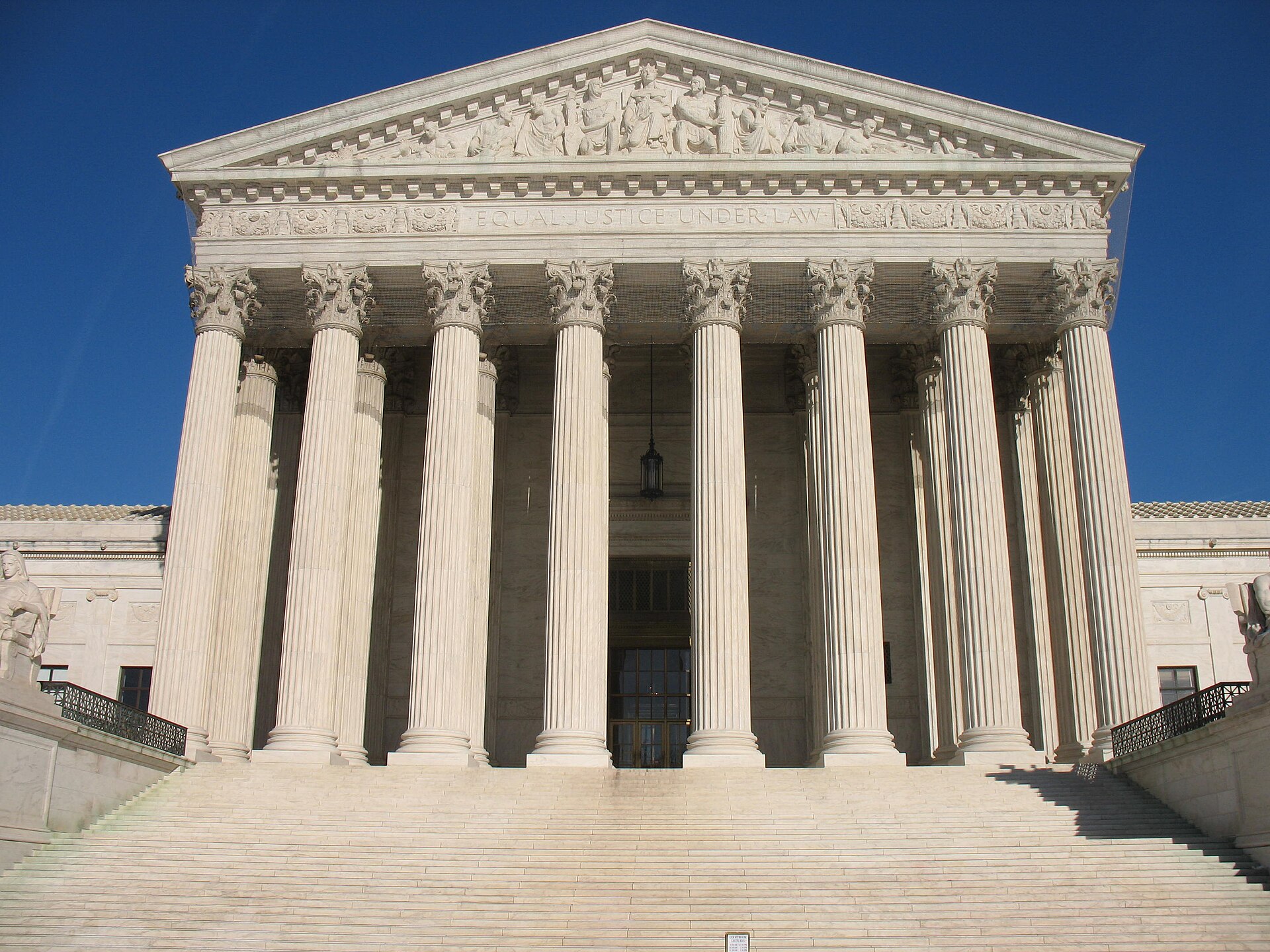
The Supreme Court’s ruling centered on the International Emergency Economic Powers Act, or IEEPA. The administration had relied on that law to justify broad tariffs on goods imported from trading partners.
In Learning Resources, Inc. v. Trump, the court said IEEPA does not authorize a president to unilaterally impose tariffs in that way. SCOTUSblog noted that Chief Justice John Roberts opened the opinion with the direct question before the justices: whether IEEPA authorizes the president to impose tariffs.
The answer, in the court’s 6-to-3 decision, was no for most of Trump’s widest-ranging tariffs. That is why the ruling carries consequences beyond this single refund process.
Presidents have wide authority in foreign affairs, and Congress has given the executive branch significant tools to respond to economic threats. But tariffs are taxes on imports, and the court’s decision drew a line between emergency economic powers and the kind of revenue-raising trade authority Congress must clearly grant.
Why the politics sting
Tariffs have long been one of Trump’s favorite economic weapons. He has framed them as leverage against trading partners, protection for domestic industry and a way to force other countries to change behavior.
Critics counter that tariffs often raise costs for American companies and consumers because importers pay the duties at the border and may pass those costs along. That is why the refund question has quickly turned into a fairness fight.
Rep. Greg Casar, a Texas Democrat, said this week that the money is going to companies rather than working people. “Every single cent of these refunds should go back to American consumers,” he said, according to NBC News.
That argument points to the messy reality of tariff policy. If companies raised prices because of tariffs, consumers may have absorbed part of the cost. But when the government refunds duties, the payments generally go to the importers that paid them, not automatically to shoppers who bought higher-priced goods months earlier.
Trump is not backing off
The Supreme Court loss has not ended Trump’s tariff push. NBC News reported that after the ruling, Trump criticized the justices as “disloyal” and moved to impose new temporary 10% tariffs under a different legal authority.
Those temporary tariffs expired last month. The administration then issued another round of global tariffs under Section 301 of the Trade Act of 1974, a law designed to respond to unfair or discriminatory practices by other countries.
That shift is important. The White House is not abandoning the policy goal; it is changing the legal vehicle. The administration appears to be betting that a different statute will survive where the emergency-powers argument failed.
Opponents are already testing that bet. The newer tariffs are being challenged in court by small businesses and 25 states, according to NBC News. That means the $100 billion refund may be one chapter in a longer fight over how far a president can go without Congress when imposing import duties.
Who gets the money
The refund process creates a public perception problem because the people most likely to remember higher prices are not necessarily the people receiving checks. The tariff system is built around import entries, not retail receipts.
Importers paid the duties when goods entered the United States. If those importers later passed costs through to wholesalers, retailers or consumers, tracing the burden becomes difficult. A refund to the importer does not guarantee a refund to the final buyer.
Supporters of Trump’s trade approach would argue that tariffs serve broader strategic goals even if they create short-term costs: pressuring competitors, defending domestic production and forcing negotiations. They may also argue that courts should not make it harder for presidents to respond quickly to economic threats.
Critics see the refund as evidence of overreach. Their argument is that the administration collected massive sums under a legal theory the Supreme Court rejected, then left ordinary consumers with no clear path to recover any price increases they may have paid.
The fight now moves forward
The immediate takeaway is clear: a Supreme Court defeat has become a $100 billion administrative reversal for the Trump administration. That is a major setback for a president who made tariffs a defining part of his economic identity.
Less clear is how much of the refunded money will ever flow beyond corporate importers. The filing shows what the government has processed, not how companies will handle the money once it is disbursed.
The next legal battleground is also unsettled. If courts reject the administration’s newer Section 301 tariffs, Trump could face another blow to the same core strategy. If those tariffs survive, the White House may still preserve a major piece of its trade agenda, just under a different statute.
For now, the $100 billion figure gives the Supreme Court ruling a concrete price tag. It also turns an abstract fight over presidential power into a pocketbook question: who paid, who gets refunded, and whether the next round of tariffs will fare any better in court.






Leave a Reply