
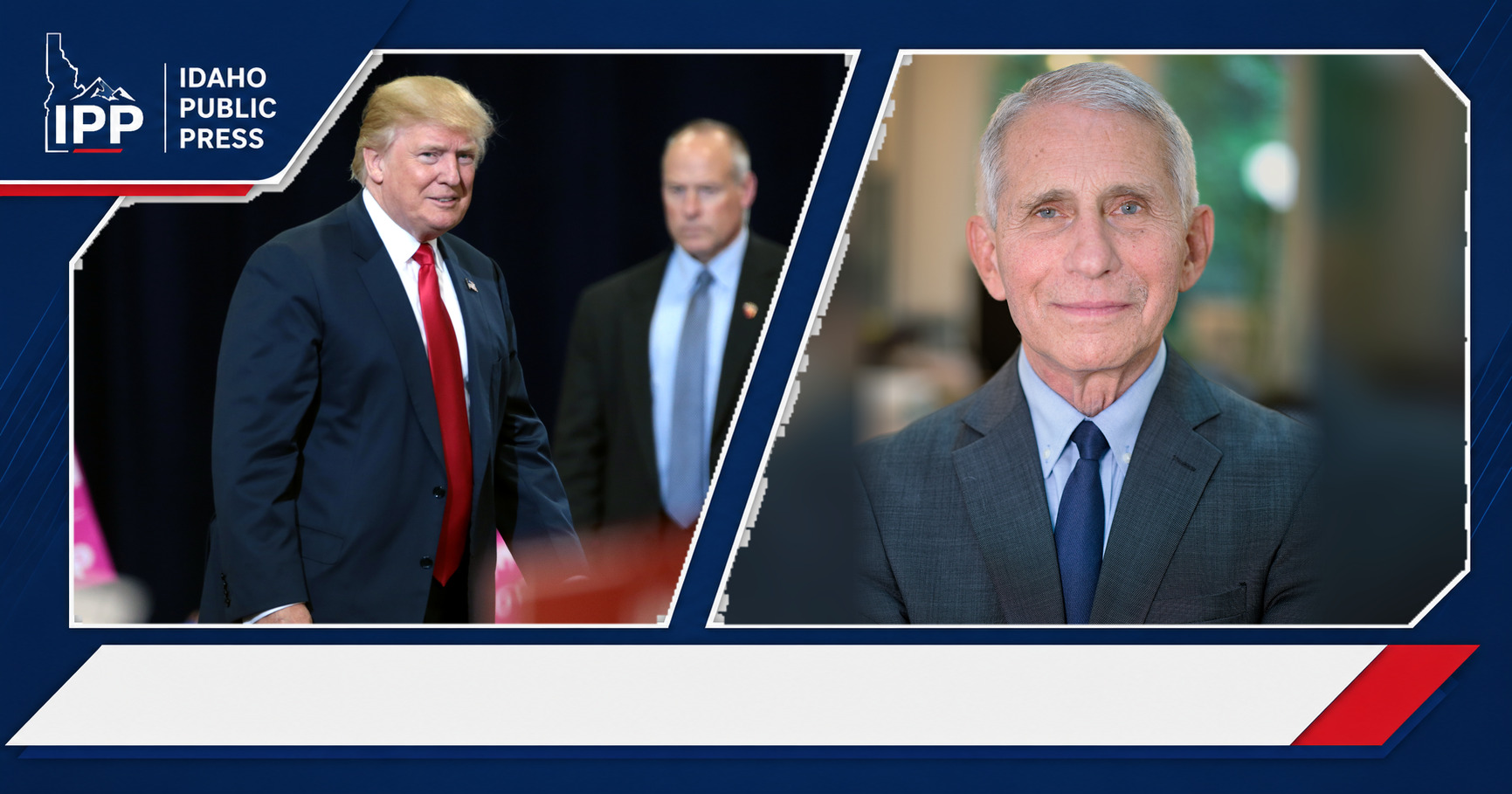
Two separate fights are testing the Trump administration’s message discipline: one over depleted weapons stocks, the other over Congress’s power to compel testimony.
Donald Trump is backing Pete Hegseth amid a munitions shortage, while a Senate panel voted to hold Anthony Fauci in contempt, putting two very different Washington fights on the same political dashboard. The Hegseth dispute centers on reports that U.S. stocks of long-range missiles and air-defense interceptors have been sharply depleted during the war in Iran. The Fauci vote, led by Senate Republicans on the Homeland Security and Governmental Affairs Committee, centers on his refusal to answer questions at a COVID-19 hearing.
Together, the episodes show the Trump era’s governing style in miniature: defend allies, attack leaks, and push institutional fights into higher-stakes terrain. One fight is about weapons and war planning. The other is about congressional power, the Fifth Amendment and whether the Justice Department will be drawn into a political battle over pandemic oversight.
Trump backs Hegseth publicly
Trump’s support for Defense Secretary Pete Hegseth comes after reporting that the two clashed over the state of U.S. munitions stocks. The Hill, citing multiple reports, said Trump had demanded answers after learning that key weapons supplies were lower than he believed.
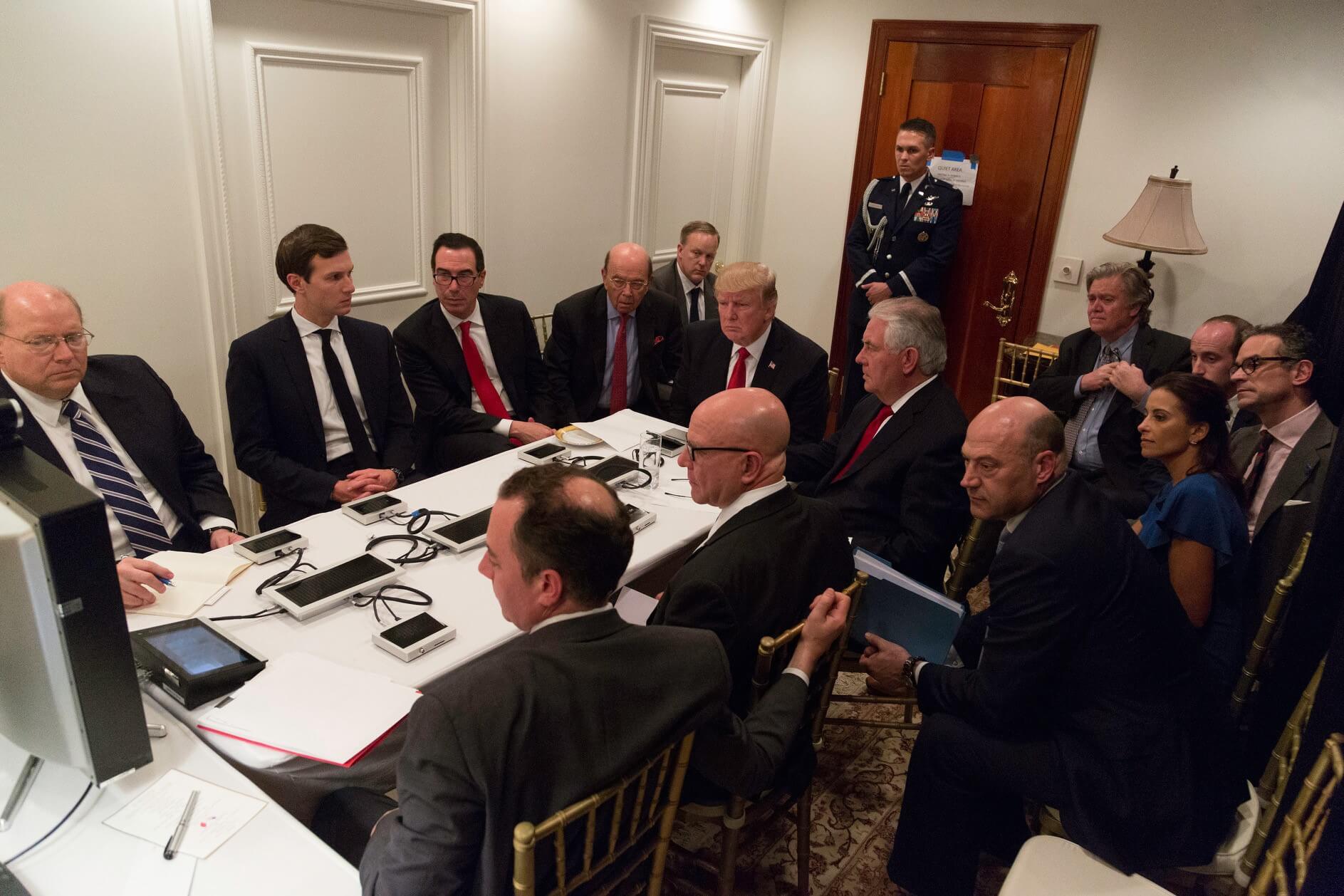
The reported friction matters because Hegseth is not just another Cabinet official in this moment. If the U.S. is managing depleted stocks during an active conflict with Iran, the defense secretary becomes the public face of readiness, procurement and military planning.
The political tension is clear: Trump is backing Hegseth even as he is said to be angry about how the weapons picture was handled. That combination allows the president to defend his appointee while shifting blame toward leaks, internal communication and the media reports themselves.
The shortage Trump wants contained
The munitions issue is not abstract. CNN reported that nearly 80 percent of interceptors for a critical defense system had been depleted. Reuters reported that the Army had used nearly all of its long-range precision missiles, which cost more than $1 million each.
Those reports, if accurate, point to a hard operational problem: modern conflicts can burn through advanced weapons faster than governments can replace them. Long-range missiles and interceptors are not interchangeable commodities. They require manufacturing capacity, supply chains, testing and budget decisions made months or years in advance.
Trump has publicly downplayed the idea that the U.S. is running low on munitions, according to The Hill’s account. His sharper anger has been aimed at whoever revealed the information. He described the leaks as treasonous and said leakers were being hunted down, while also calling for long jail sentences.
That response creates a second controversy alongside the first. National security officials often argue that leaks about weapons stocks can help adversaries. Critics of leak crackdowns counter that public knowledge of military readiness problems can be essential when a conflict is expanding or when elected leaders are considering further strikes.
Camp David clash raises stakes
The Washington Post reported that Trump and Hegseth argued at Camp David over the weekend about munitions depletion concerns. According to that reporting, Trump wanted to know why he had been misled about the weapons stockpile and believed the depletion issue had already been fixed.
The most consequential detail is not the argument itself. It is what the shortage may have changed. The Post reported that shortages in long-range guided missiles and air-defense interceptors had been part of the reason Trump pulled back from launching additional large strikes against Iran in recent days, according to a source cited in that report.
NBC News separately reported that the Pentagon held a crisis meeting on the weapons shortfall after an angry call from Trump, according to The Hill’s summary. That suggests the administration is not merely dealing with a messaging problem. It is also facing a planning problem that could shape what military options are realistic.
For readers trying to sort signal from noise, the key distinction is this: Trump can reject the public framing of a shortage and still order urgent internal work to address stockpile pressure. Those positions are politically different, but they can exist at the same time.
Fauci vote splits Senate panel
While the defense fight unfolded, Senate Republicans on the Homeland Security and Governmental Affairs Committee voted to hold Anthony Fauci in contempt of Congress. The vote passed 8-7 along party lines, with no Democrat supporting the resolution, according to The Hill.
The contempt push stems from Fauci’s testimony at a hearing on the COVID-19 pandemic. The Hill reported that Fauci invoked his Fifth Amendment rights 111 times and declined to answer questions. Fauci argued that he had been advised to do so because Sen. Rand Paul, the Kentucky Republican leading the effort, was setting traps that could trick him into saying something incriminating.
Republicans see the refusal as obstruction of congressional oversight. Democrats on the committee tried to block the resolution from moving forward but were outvoted by the Republican majority.
The party-line split reflects a long-running fight over pandemic accountability, but the procedural step is narrower than the politics around it. A committee vote does not by itself mean Fauci will be prosecuted. It starts a process that may or may not end with action by the full Senate or the Justice Department.
Why contempt is not simple
Congress has contempt powers, but using them against a witness who invokes the Fifth Amendment is legally and politically fraught. The Fifth Amendment protects people from being compelled to give testimony that could incriminate them. Congressional investigators, meanwhile, argue that they need enforceable tools when witnesses refuse to cooperate.
The next step is uncertain. Contempt referrals usually go to the full Senate for a vote. The Hill reported that Paul could instead try to send the matter directly to the Department of Justice and ask for prosecution, avoiding a full Senate vote that would likely require Democratic support.
Even then, the Justice Department would decide how to proceed. That is a major caveat. A committee can recommend or refer, but prosecutors determine whether a criminal contempt case is warranted.
The New York Times, cited by The Hill, reported that legal scholars view the situation as unusual because of questions involving the reach of a presidential pardon and the Fifth Amendment. That makes the Fauci fight more than a standard oversight dispute. It could test how far Congress can push when a high-profile witness refuses to answer on constitutional grounds.
The shared political signal
The Hegseth and Fauci stories are not directly connected, but they are moving through the same political climate. In both cases, Republicans are emphasizing accountability: who knew what about weapons stocks, and why Fauci would not answer questions about the pandemic.
The administration’s critics see something different. On the munitions front, they are likely to focus on readiness and whether Trump was given an accurate picture of U.S. capabilities. On the Fauci front, they will argue that congressional Republicans are escalating a political pursuit of a former public health official who invoked a constitutional right.
What remains unclear is where either fight lands. The weapons issue could fade if the Pentagon replenishes supplies and the Iran conflict cools. It could intensify if shortages continue to constrain U.S. options. The Fauci matter could become a DOJ test case, or it could stall if prosecutors decline to pursue it.
For now, the takeaway is simple: Trump is standing behind Hegseth while trying to control the damage from munitions reporting, and Senate Republicans have moved the Fauci fight into a more formal contempt process. Both stories are about power under pressure — military power abroad, investigative power at home, and the political costs when either looks uncertain.







Leave a Reply