
The reversal shows how quickly soccer’s power brokers can turn when the World Cup’s ownership, money and identity appear to be on the table.
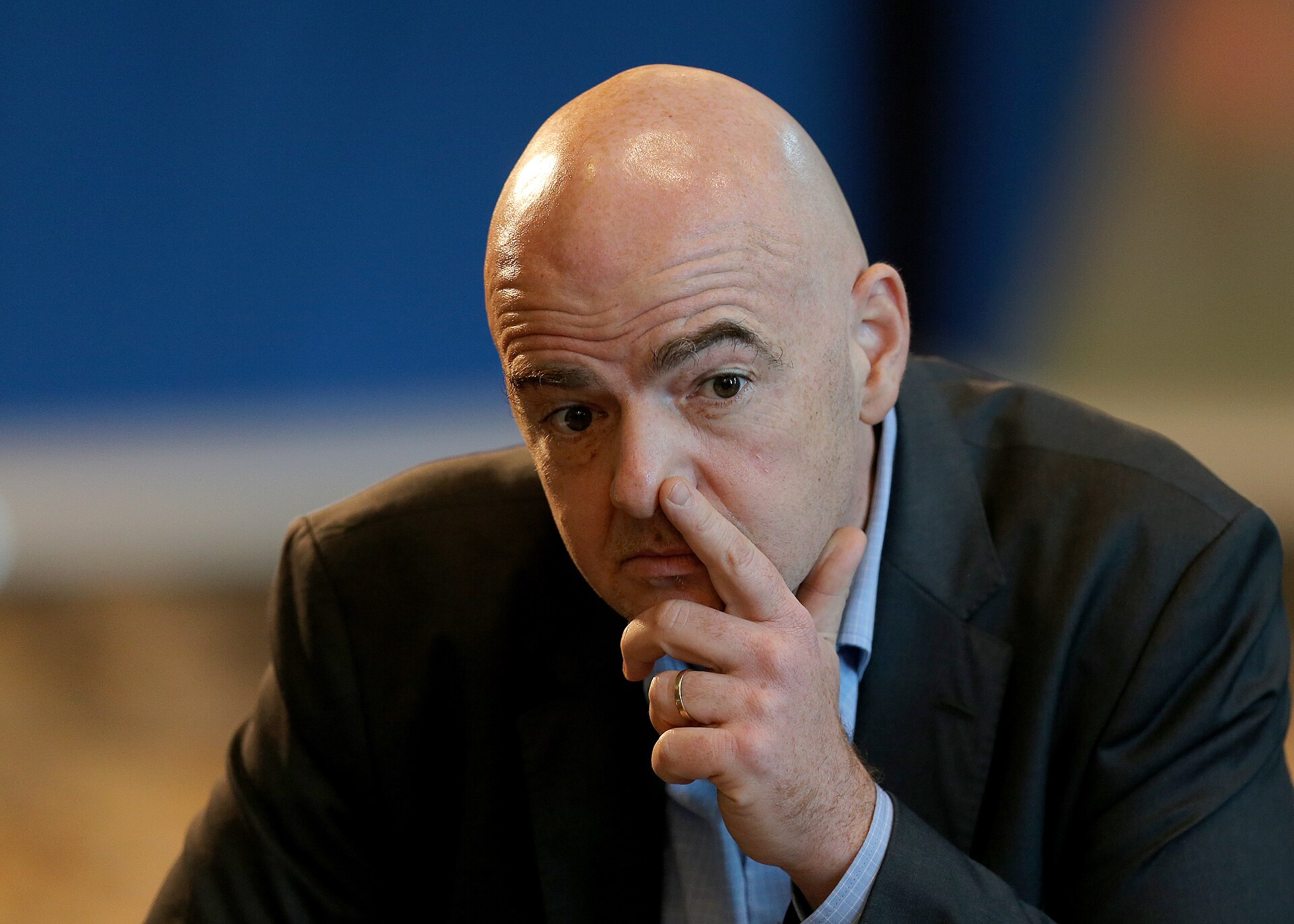
FIFA scraps controversial investor pitch may sound like a governance footnote, but Friday’s reversal was bigger: FIFA abandoned a controversial plan to sell commercial rights to private investors, with president Gianni Infantino dropping the plan to sell part of the World Cup’s commercial rights after global backlash.
The retreat matters because the World Cup is FIFA’s financial engine and cultural crown jewel. A minority stake for outside investors in a new commercial venture would have changed who profits from soccer’s most valuable event — and triggered a rare public break inside the sport’s own establishment.
A plan that collapsed quickly
The Wall Street Journal reported that Infantino abandoned the proposal barely 72 hours after it was first leaked. NPR reported that the plan had been announced Tuesday and scrapped Friday after opposition from European countries and figures inside FIFA.
The basic idea was to create a commercial venture around FIFA tournaments, including the World Cup and the Club World Cup. The most explosive part, according to NPR, was selling a minority stake to private investors, including a firm run by Joshua Kushner.
Infantino’s public explanation framed the reversal as a response to division, not a rejection of the underlying commercial ambition.
“Having listened carefully to all the views, it has become clear that the project has created divisions of a nature that, regardless of the level of support, are no longer in the interest of the objective set out in the first place,” Infantino said, according to both The Wall Street Journal and NPR.
Why the backlash hit hard
The fury was not just about money. FIFA already sells sponsorships, broadcast rights and hospitality around its tournaments. The sharper question was whether outside investors should own a piece of the commercial upside attached to the World Cup itself.
For critics, that crossed a symbolic line. UEFA, European soccer’s governing body, said the deal would amount to the “sale” of football, according to NPR. European nations went further, threatening to boycott the World Cup unless FIFA dropped the proposal entirely.
That threat gave the dispute immediate force. A World Cup without Europe’s leading national teams would not be a normal governance fight; it would be a direct challenge to the credibility and value of the tournament.
Other confederations also opposed the proposal, NPR reported. CONCACAF, representing North and Central America and the Caribbean, and the Asian Football Confederation objected, though they did not go as far as the European boycott threat.
The resistance came from inside
The backlash was especially damaging because it did not stay outside FIFA’s walls. NPR reported that Carlos Cordeiro, a top adviser to Infantino, resigned over his opposition to the plan.
FIFA chief operating officer Kevin Lamour also publicly criticized the proposal in a statement to the Associated Press, according to NPR. He said staff had been blindsided and called it the “project of one person,” a pointed reference to Infantino.
That internal revolt matters. FIFA presidents often survive criticism from fans, clubs, governments and rival administrators. It is harder to ignore senior figures inside the organization suggesting that a major commercial plan lacked proper buy-in.
Infantino added in his statement that FIFA’s purpose “has always been — and will always be — to unite and improve,” according to NPR. He said the proposal would not proceed.
The commercial logic is obvious
There is a reason such a proposal reached the table. The World Cup is one of the most valuable properties in global sports, and FIFA has been expanding its tournament footprint, including the Club World Cup.
NPR described the recently completed men’s tournament across North America as enormously lucrative, reporting that FIFA was set to raise $15 billion over the past four years, with much of that tied to the men’s World Cup. Against that backdrop, packaging commercial rights into a venture could look attractive to executives seeking fresh capital, growth and long-term monetization.
Private investors have become increasingly prominent across sports. Funds and wealthy backers have bought stakes in teams, leagues, media rights and event businesses. To finance-minded supporters, outside capital can look like a way to professionalize operations and capture more value from global demand.
But national-team soccer is not a private league in the usual sense. The World Cup draws its power from national federations, public emotion and a claim to represent the global game. That makes any suggestion of selling a piece of its commercial future politically combustible.
Infantino takes the setback
The reversal lands directly on Infantino, who had championed the proposal, according to NPR. It also arrives after a period of other controversies around FIFA’s leadership, including criticism over high ticket prices and political flashpoints connected to the organization.
That does not mean Infantino is finished. FIFA politics are complicated, and the president has built a broad base across global soccer by expanding tournaments and distributing revenue. The phrase in his statement — “regardless of the level of support” — suggests he believed the project had backers, even if the visible opposition overwhelmed it.
Still, this was a public defeat. The speed of the retreat showed that even a powerful FIFA president cannot easily rewire the World Cup’s commercial structure without bringing confederations, national federations and internal leadership along.
The episode also exposes a deeper tension: FIFA wants the revenue potential of a modern sports-entertainment company, but it governs an event that many countries and fans treat as a shared public inheritance.
What remains unresolved
The proposal is dead for now, but the underlying pressure is not. FIFA will keep looking for ways to grow revenue from its tournaments, and investors will keep circling major sports properties with global audiences.
Several questions remain open:
- How much of the plan, if any, could return in a less provocative form?
- Whether FIFA will change its internal approval process after senior officials objected publicly.
- How European federations and UEFA will use this victory in future FIFA negotiations.
- Whether Infantino’s authority has been weakened ahead of future leadership battles.
The clean takeaway is that the World Cup’s commercial rights are not just an asset class. They are tied to identity, control and trust. FIFA can sell the tournament to sponsors and broadcasters; selling a stake in its future to private investors proved to be a very different proposition.




Leave a Reply