
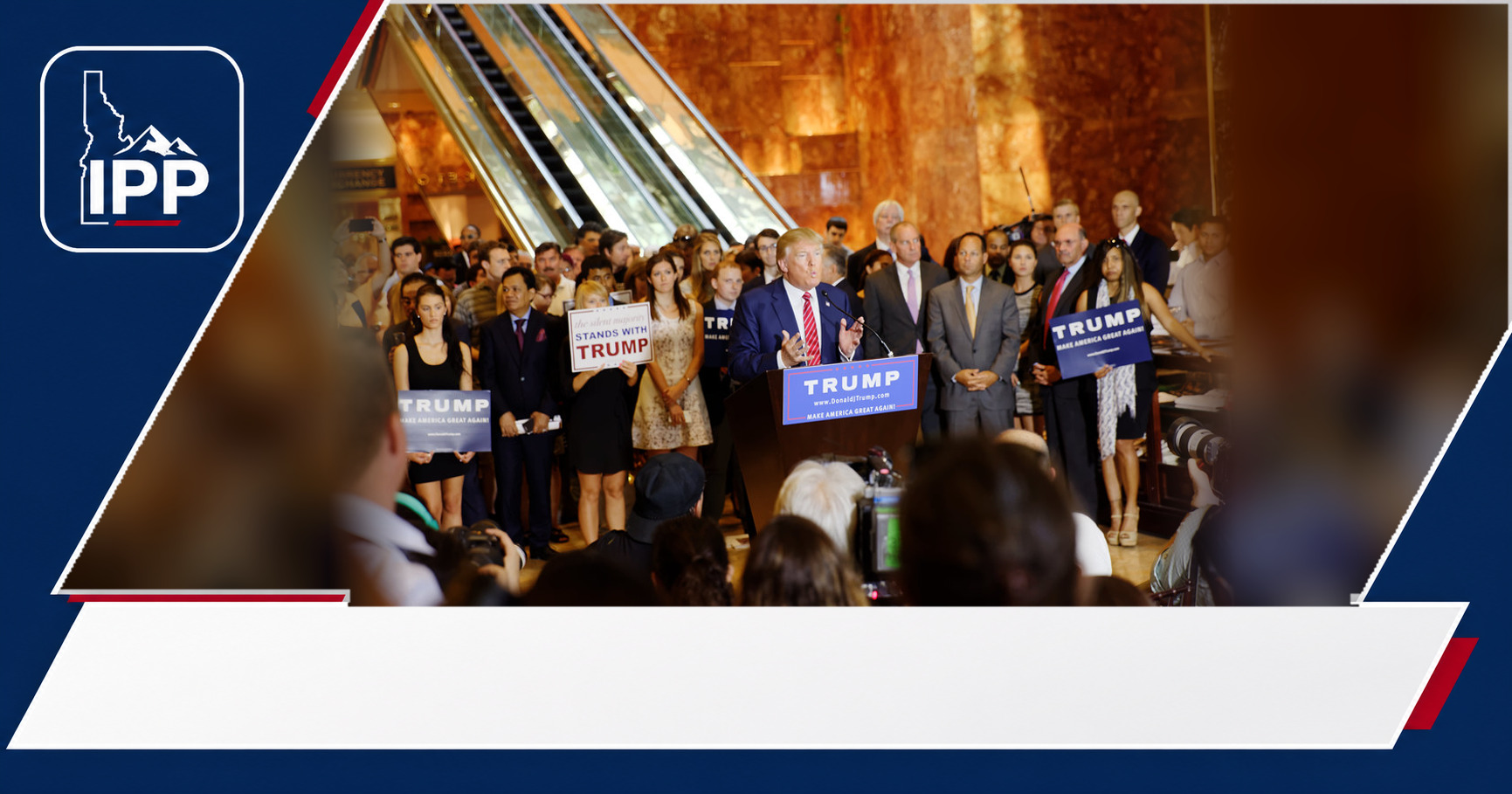
The new request would reimburse National Park Service expenses after Congress already approved major anniversary funding. Critics say the issue is less patriotism than accountability for a troubled public spectacle.
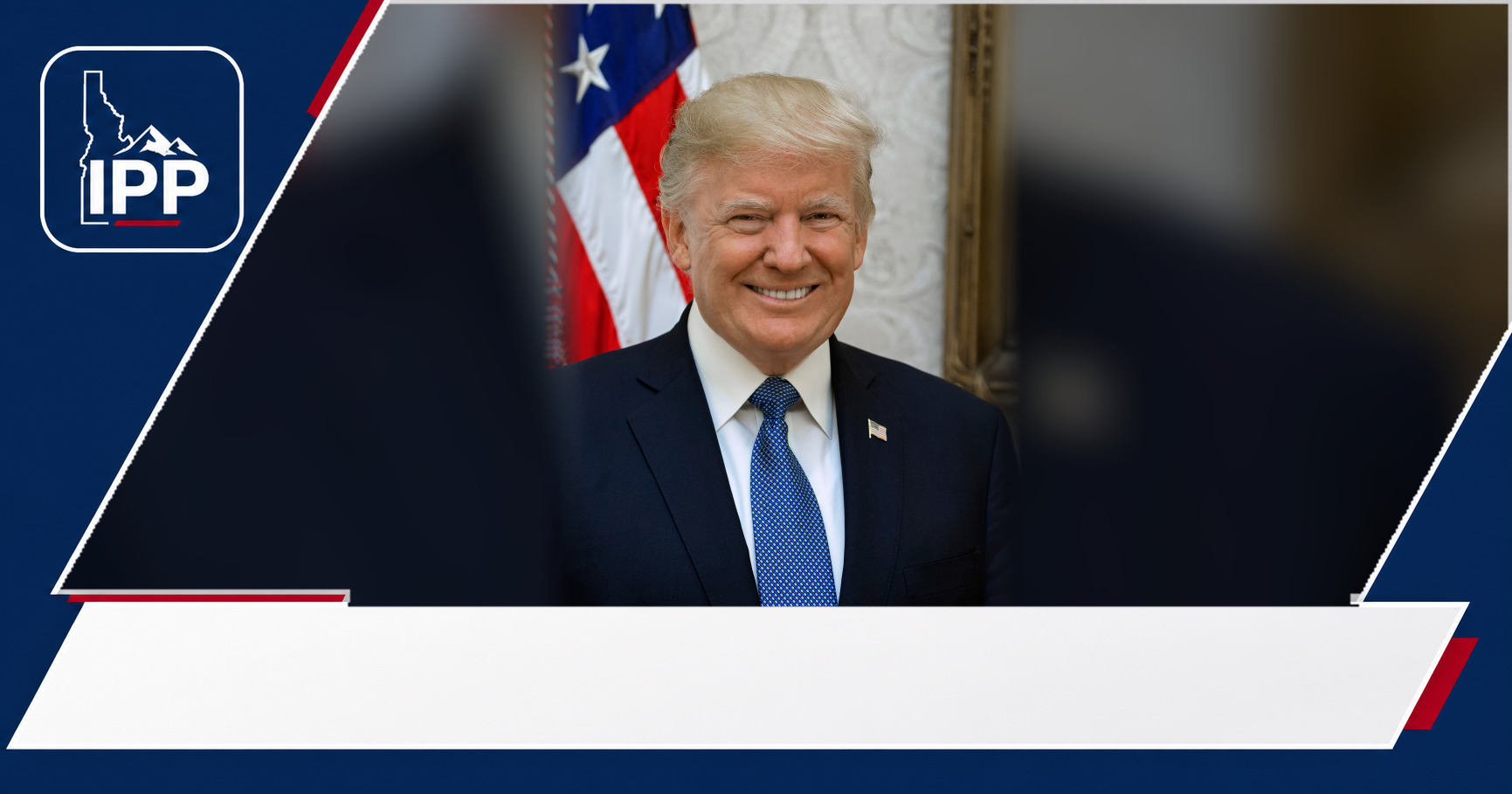
Donald Trump’s administration is asking Congress for an additional $10 million, and the request is tied to the Freedom 250 celebrations and related events this summer, including the Rededicate 250 prayer event, the Great American State Fair and the July Fourth Salute to America on Washington’s National Mall.
It would reimburse National Park Service expenses after Republicans already approved $150 million for Interior Department anniversary events, while a reported $68 million cost picture and problems behind Trump’s fair-related project make the new taxpayer ask politically combustible.
A small ask with big baggage
The dollar figure now before Congress is modest by federal spending standards. But the politics are not modest at all.
The Washington Post first reported the administration’s request for another $10 million. According to the reporting summarized by The Daily Beast, the money would cover National Park Service expenses connected to multiple Freedom 250 events, not just one fairground attraction or a single July Fourth gathering.
That distinction matters because the request lands after Congress had already put serious money behind the anniversary push. Republicans approved $150 million in last year’s One Big Beautiful Bill for Interior Department events tied to America’s 250th anniversary.
For supporters, the extra money can be framed as a practical reimbursement for federal agencies handling crowds, security and public events on some of the country’s most symbolic ground. For critics, it looks like a second taxpayer rescue for a White House-backed celebration that was sold as grand, partly privately supported and nationally unifying.
Why the National Mall matters
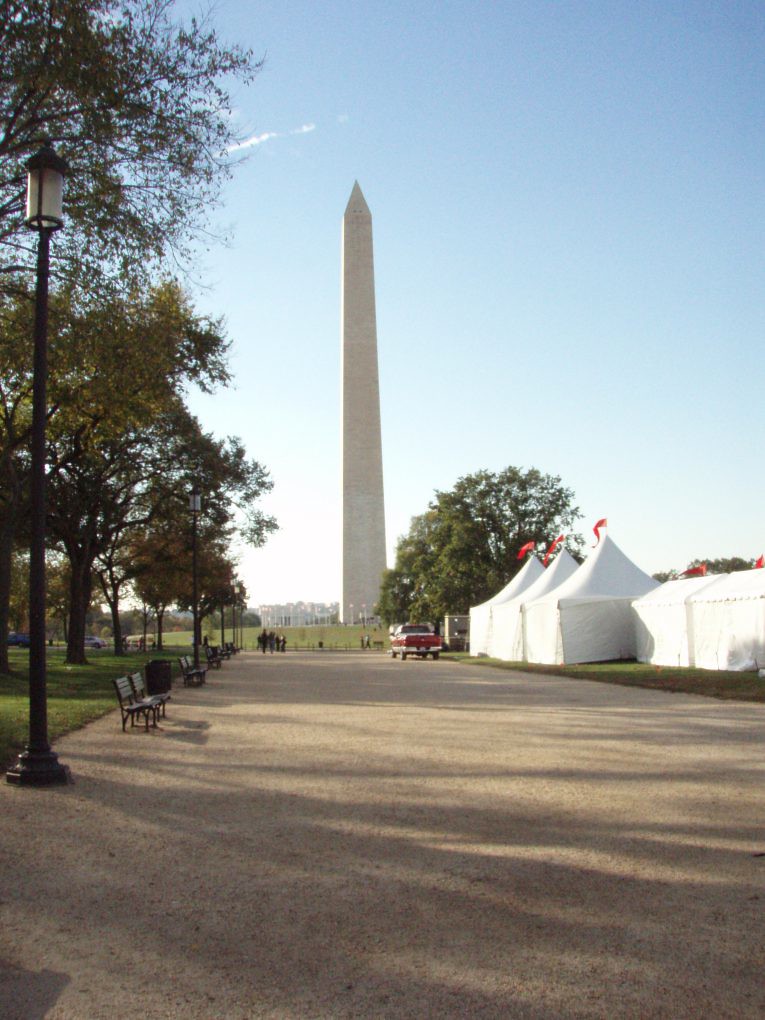
The Freedom 250 events were not staged in a random venue. Washington’s National Mall is managed by the National Park Service and carries heavy security, maintenance and crowd-control demands even in ordinary years.
The administration says the added money is needed largely for security. The Interior Department told The Washington Post that increased safety costs were a major factor, citing threats against high-profile public events, including a UFC event outside the White House and an attempted shooting at the White House Correspondents’ Dinner.
That argument gives the request a real-world basis. Major public gatherings in Washington require planning across federal and local agencies, and the costs can rise quickly when events multiply across days and locations.
Still, the timing creates the problem. The request comes after the public has already seen images and reports of a celebration that struggled to match its own billing. A security explanation may be valid, but it does not answer every question about planning, budgeting or whether organizers underestimated the true cost of the program.
The fair that became the flashpoint
The Great American State Fair was supposed to be the most visible piece of the Freedom 250 rollout: a 16-day showcase of states, territories and patriotic pageantry on the National Mall.
Trump promoted the festivities as “great” and “unbelievable,” and the White House-backed Freedom 250 organization launched the celebrations in June. The idea was simple enough for television and social media: each state could set up a booth, display its identity and take part in a national birthday spectacle.
The execution proved harder. The Daily Beast reported that the fair was hit by triple-digit heat, which forced an early closure during Independence Day weekend after at least 11 people were hospitalized and dozens more needed medical attention.
Visitors also faced power outages, a malfunctioning Ferris wheel and steep food prices, including $23 turkey legs, $20 cheeseburgers and $9 lemonade. Those details turned what might have been a dry appropriations dispute into a more relatable question: why does a taxpayer-backed celebration feel expensive, underbuilt and still short on money?
Attendance and state-booth disputes
The fight over costs is also a fight over perception. Trump claimed on Truth Social that the event was “packed to the brim” and drew “at least 45,000 people,” while other reports described thin crowds.
Crowd-size arguments are a familiar feature of Trump-era politics, but here they have budget implications. If the event was a major public success, supporters can argue that added costs were the price of a large national celebration. If it underperformed, critics can ask why Congress should provide more money after the fact.
The state booths produced their own controversy. States were asked to pay for their exhibition spaces, and North Carolina declined to fund one because of the cost. Private sponsors stepped in, which then created a separate political problem when one exhibitor displayed a Confederate flag in the North Carolina booth.
North Carolina Gov. Josh Stein, a Democrat, condemned the display, telling WRAL News: “This flag does not represent the North Carolina we love. America 250 is about unity and bringing our nation together.” That episode undercut the event’s unity message and gave critics another example of loose planning around a high-profile federal celebration.
Merkley presses for receipts
Democratic Sen. Jeff Merkley, the senior Democrat on the Senate subcommittee responsible for funding the National Mall, has emerged as one of the sharpest critics of the new request.
Merkley accused the administration of asking taxpayers to bail out Freedom 250 after Congress had already approved $150 million without bipartisan input. He also pointed to earlier assurances that private donors would help finance the rest of the anniversary programming.
His critique is not just about whether America should celebrate its 250th anniversary. It is about who pays when a presidentially promoted event grows more expensive than planned, and whether Congress was given a clear picture of the costs before the program moved ahead.
Merkley has requested a detailed accounting of how the original funding was spent and why more money is needed now. That is the core unresolved issue: the administration may have a defensible security rationale, but lawmakers still have to decide whether the request reflects unavoidable new threats, avoidable mismanagement or both.
What remains unanswered
The White House and Interior Department did not immediately respond to The Daily Beast’s request for comment, according to the outlet. Until they provide a fuller accounting, the $10 million request will likely stand in for a much larger argument over Trump’s anniversary programming.
The most important unanswered question is how the new reimbursement request fits with the money already approved and the broader cost figures around the fair and related events. If Congress already provided $150 million, lawmakers will want to know what that paid for, what it did not cover and why the National Park Service needs more now.
There is also a governance question. Public-private celebrations can lower taxpayer exposure when private donors actually carry part of the load. They can also blur responsibility when costs rise, vendors stumble or agencies are left covering bills after the crowds leave.
The practical takeaway is that a $10 million ask has become a test of political accountability. Freedom 250 was designed to project national pride ahead of America’s 250th anniversary. Instead, the funding fight has put the spotlight on planning, transparency and whether Congress is willing to write another check for a celebration that already came with a large public price tag.





Leave a Reply