
The system is often criticized after close elections, but it remains the mechanism that decides the presidency. Understanding it means understanding the balance between voters, states and constitutional design.
The electoral college should be protected, supporters argue, because the Electoral College is the United States system for choosing presidents under the U.S. Constitution, not a side feature of presidential elections. This article explains what it is, how it works, why it exists and how it differs from choosing a president by the national popular vote.
The stakes are practical, not just academic. The National Archives describes the Electoral College as a process, not a place: voters choose electors, electors cast votes for president and vice president, and Congress counts those votes. That design is still at the center of every White House race.
A process, not a place
The Electoral College is often talked about as if it were a room full of political insiders. It is not. It is the constitutional process that converts state-by-state election results into the final decision for president and vice president.

There are 538 electors in all. A candidate needs a majority, 270 electoral votes, to win the presidency. Each state receives a number of electors equal to its total representation in Congress: its House members plus its two senators.
The District of Columbia receives three electors under the 23rd Amendment, which means it is treated like a state for Electoral College purposes even though it is not a state.
When Americans vote for president in November, they are technically voting for a slate of electors pledged to that candidate. Those electors later meet in their states and cast the official votes that Congress counts.
Why the Constitution created it
The National Archives explains that the Founding Fathers established the Electoral College in the Constitution partly as a compromise. The framers rejected a system in which Congress simply chose the president, but they also did not settle on a direct national popular vote.
That compromise reflected the structure of the United States itself. The Constitution created a federal republic, not a single national election district. States retained major authority, while the national government had defined powers.
Presidential elections still reflect that federal design. The winner must build support across states, not only pile up votes in the largest population centers. That is the core of the argument for preserving the system.
Supporters see the Electoral College as a guardrail against a purely national vote count that could make smaller states feel politically irrelevant. Critics see that same feature as a distortion of voter equality. The disagreement is really about what kind of union presidential elections are supposed to represent.
How voters become electors
Each presidential candidate in a state has a slate of electors, usually selected through that candidate’s political party. State laws vary on how those electors are chosen and what duties they have once selected.
Most states use a winner-take-all system. That means the candidate who wins the state’s popular vote receives all of that state’s electoral votes. Maine and Nebraska use a different model that can divide electoral votes by congressional district and statewide results.
After the general election, state officials prepare formal documents identifying which electors were appointed. The National Archives says these certificates become part of the official records of the presidential election.
The electors meet after Election Day in their respective states. They cast separate votes for president and vice president, and those votes are then sent to Congress and the National Archives.
The popular vote argument
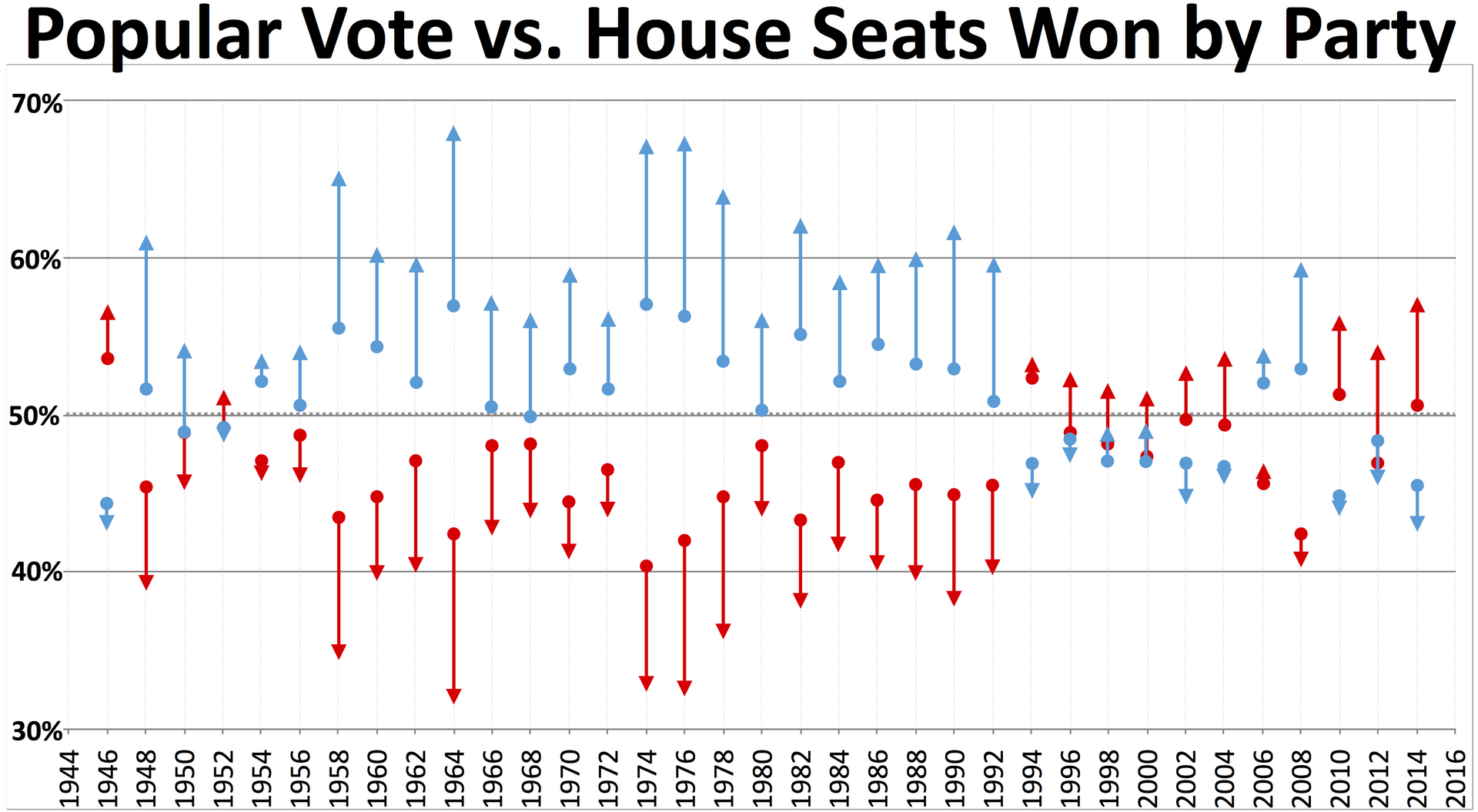
The most direct case against the Electoral College is simple: the candidate who receives the most votes nationwide should win. For critics, a national popular vote treats every ballot equally regardless of whether it is cast in a large state, a small state, a safe state or a swing state.
That argument has obvious democratic appeal. It is easy to explain, easy to count and easy for voters to understand. It also avoids the frustration many Americans feel when campaigns focus intensely on a relatively small group of competitive states.
But the popular vote model would change campaign incentives. Candidates would likely chase raw vote totals wherever they could find them, especially in dense metropolitan areas and major media markets. Supporters of the Electoral College argue that this would reduce the need to assemble geographically broad coalitions.
The current system has its own distortions. Safe states can be ignored because their outcomes are predictable. Swing states can receive outsize attention. The real debate is not whether either system is perfect. It is which flaws Americans are willing to accept.
The case for keeping it
The strongest defense of the Electoral College is that it forces presidential candidates to win a distributed national mandate. A candidate cannot simply run up margins in a few heavily populated places and ignore the rest of the country.
It also preserves the role of states in the constitutional order. Because electoral votes are allocated through states, state governments remain central to the administration and certification of presidential elections.
Supporters also argue that the system creates clearer outcomes than a single nationwide vote might produce in a very close race. A disputed national popular vote could require recounts across many jurisdictions at once. Under the Electoral College, disputes are usually contained within specific states.
That does not mean the system is immune to controversy. It can elevate the importance of narrow margins in battleground states. It can produce results that feel unsatisfying to voters who look only at the national vote total. Protecting it requires explaining those tradeoffs honestly, not pretending they do not exist.
What happens after Election Day
The presidential election does not officially end when news organizations project a winner. The process continues through several constitutional and statutory steps.
According to the National Archives, electors meet on the first Tuesday after the second Wednesday in December following the general election. They vote in their own states, not in one national gathering.
Congress then counts the electoral votes in a joint session on January 6 in the year after the electors meet. The vice president, acting as president of the Senate, presides over the count in what the National Archives describes as a strictly ministerial role.
The president-elect is sworn in on January 20. That timeline shows why the Electoral College is more than a symbol. It is the legal machinery that turns a national campaign into a constitutional transfer of power.
The real choice ahead
Defending the Electoral College does not require denying that the popular vote has a powerful claim. In a democracy, the idea that the person with the most votes should win is intuitive and compelling.
But the United States presidential system was built around both people and states. The Electoral College sits at that junction. It gives voters power through state contests, then translates those results into a national decision.
The better argument for protecting it is not nostalgia. It is that the system reflects a federal Constitution and pushes presidential candidates to think beyond one national vote pile. If Americans want to replace it, they should be clear about what would be gained and what would be lost.
For now, every presidential election still runs through the Electoral College. Understanding that process is the first step toward judging whether it remains a constitutional safeguard, a democratic flaw or, as its defenders argue, both imperfect and worth preserving.








Leave a Reply