
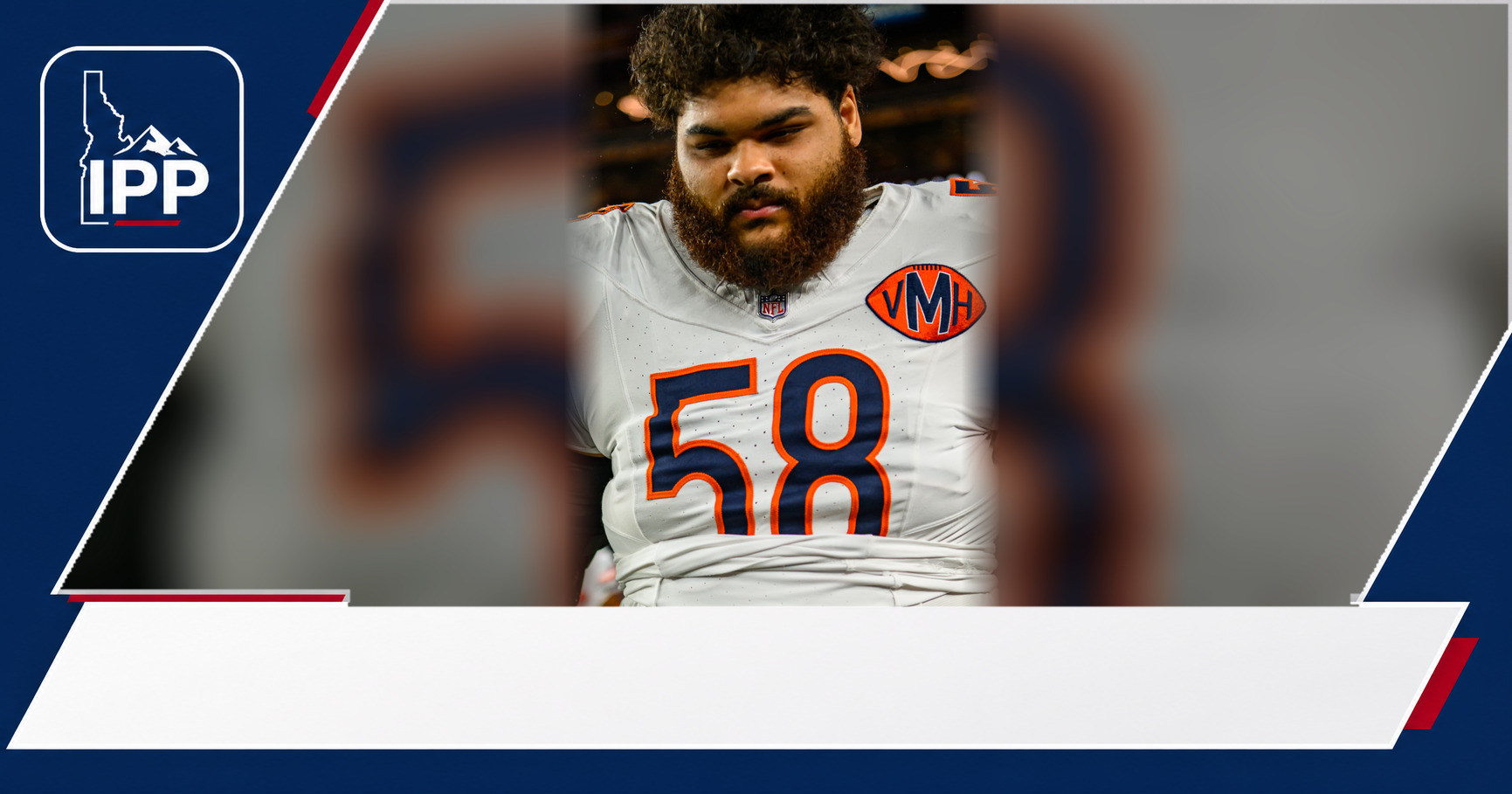
A new deal still makes sense for Chicago’s right tackle, but the timing no longer looks as clean as it did in June. Here’s why the delay matters for the Bears’ offensive core.
Darnell Wright is the focus of a contract extension update that is less encouraging than expected for the Chicago Bears. On June 24, 2026, Bears Wire relayed ESPN’s Courtney Cronin’s expectation that a Wright extension could be done before training camp opened July 28. But on July 28, 2026, at Halas Hall in Chicago, general manager Ryan Poles and Bears management were still discussing only a possible new deal this summer, not announcing one.
That does not mean Wright is headed anywhere. It does mean the Bears’ cleanest window to lock up one of their most important offensive linemen has already started to narrow.
The pre-camp target slipped
The important shift is timing. In late June, the expectation around the Bears was that Wright’s deal could land before training camp. That projection made sense because Chicago had used that part of the calendar before, striking summer extensions with Cole Kmet in 2023 and DJ Moore in 2024.
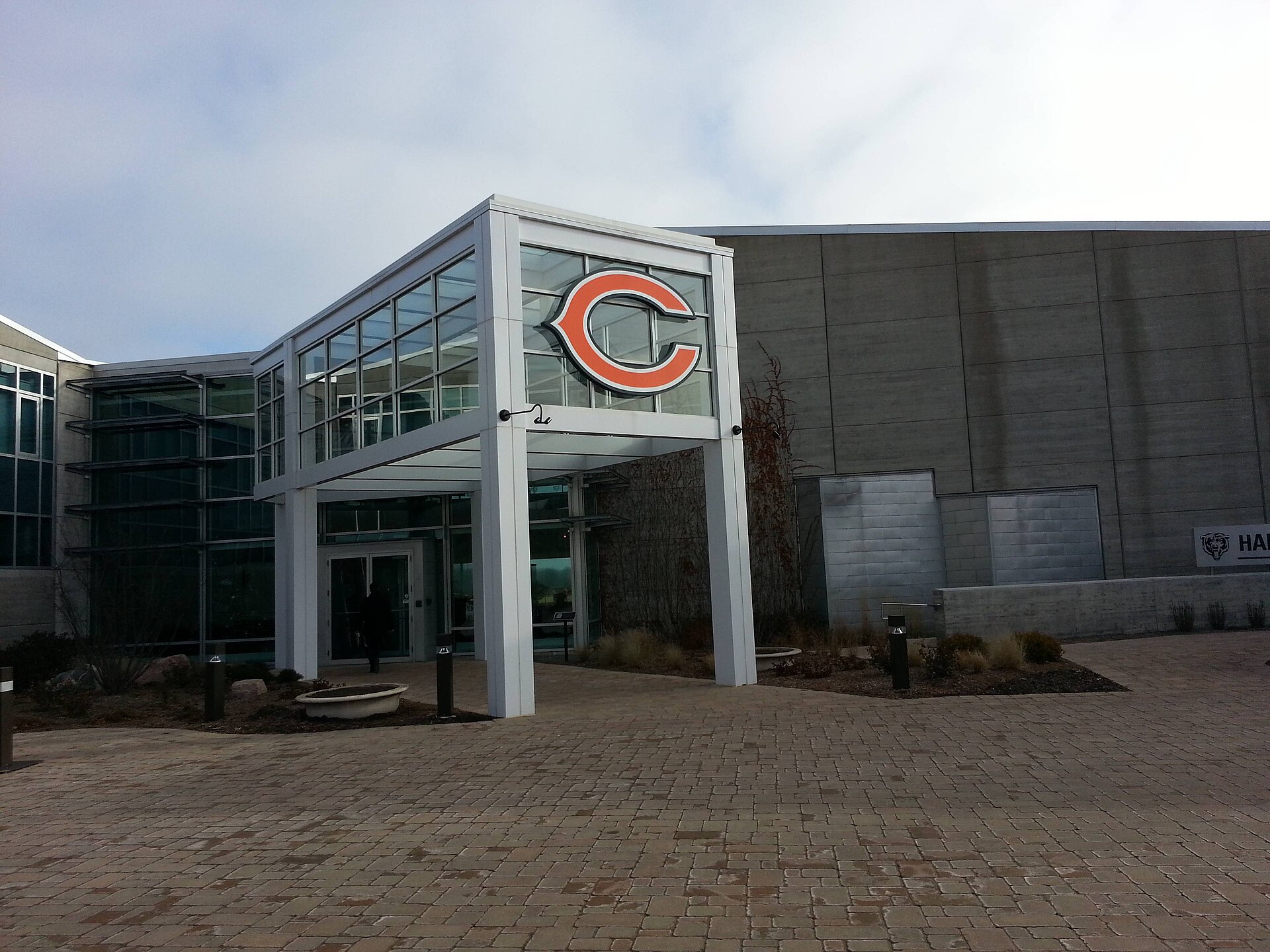
By the time Poles met with reporters at Halas Hall on July 28, the Bears were at the doorstep of camp, with the first practice set for Wednesday. The update became less about a finished agreement and more about whether Chicago can still get one done without letting negotiations bleed into the season.
For fans, that distinction matters. A pre-camp extension would have been a statement that Wright is part of the Bears’ foundation for the next several years. A camp-opening non-announcement keeps the same possibility alive, but with more uncertainty attached.
It also changes the public tone. What looked like a straightforward box to check now looks like a negotiation the Bears have not yet solved.
Why Wright is worth early action
Wright’s case for a long-term deal is not complicated. The Bears selected him 10th overall in the 2023 NFL Draft, and he has developed into a central piece of their offensive line.
Bears Wire noted that Wright had the best season of his young career while earning second-team All-Pro honors. The same report said he played most of last season with a torn UCL, which makes the performance more notable, not less.
His value also shows up in how Chicago wants to play. Under head coach Ben Johnson, the Bears’ offense leaned into a strong line, a breakout year from quarterback Caleb Williams and a rushing attack that ranked third in the league, according to Bears Wire. The line also allowed the second-fewest sacks in the regular season.
That is the kind of infrastructure a team usually tries to protect. Quarterback development is easier when the tackle spots are stable. A power running game is easier to sustain when a right tackle can move defenders. Wright checks both boxes.
Poles faces a price question
The tricky part is not whether Wright matters. It is what the Bears believe the right price should be and when they want to set it.
Good tackles rarely get cheaper. If Chicago believes Wright is still ascending, waiting can push the number higher, especially if he stacks another strong season on top of his All-Pro recognition. The club may prefer to buy early before the market resets again.
There is another side to it. Wright is still young, and the Bears may want to preserve flexibility while they evaluate the full roster under Johnson. Big contracts on the offensive line can be smart investments, but they also shape future decisions at premium positions.
That is where Poles’ job gets difficult. The Bears are no longer simply collecting young talent. They are moving into the phase where they must decide which players become the paid core and which ones remain replaceable.
The Bears’ offense raises the stakes
This negotiation matters more because of where Chicago appears to be headed offensively. The Bears are not trying to survive on defense and hope the offense catches up. The available reporting paints a team building around Williams, Johnson and a line strong enough to dictate terms.
Wright fits that blueprint. Bears Wire reported that Johnson praised Wright’s growth and his power at the point of attack, noting that Chicago’s offense has leaned more to the right side with Wright in mind.
That is not throwaway coach-speak. If an offensive coordinator or head coach builds run direction, protection comfort and formation tendencies around a tackle’s strengths, that player is more than just one of five linemen. He becomes part of the offense’s identity.
Letting that player approach the season without a new agreement is not automatically reckless. But it does create a question the Bears could have avoided by finishing the deal before camp.
Why delay is not disaster
There is a fair counterargument: extensions do not have to be finished by July 28 to be successful. NFL teams often keep talking during camp, and the Bears still have time if both sides are motivated.
The relationship also appears, from the available reporting, to be pointed in the right direction. Wright is described as a long-term piece. Poles discussed the possibility of an extension rather than shutting it down. Nothing in the reports suggests a trade demand, a holdout or a breakdown.
That is why the update should be read as disappointing, not alarming. The Bears missed the neat version of the timeline. They have not necessarily missed the deal.
The risk is that football can complicate clean business plans. Injuries, market movement, player performance and team priorities all change once practices and preseason games begin. A deal that looked simple in June can become more layered by September.
What remains unclear
The biggest unknown is whether the Bears and Wright’s side are close on the main contract terms. The public updates do not provide details on money, guarantees, length or whether a deal is merely delayed by routine negotiation gaps.
It is also unclear how much urgency Chicago feels. The Bears may view Wright as a must-extend player but not a must-extend-this-week player. That difference matters, especially for a front office balancing multiple future contracts.
For now, the clean takeaway is this: Wright still looks like the kind of player Chicago should want to keep, and Ryan Poles still has every reason to make that happen. The less encouraging part is that the expected summer extension has not arrived at the moment many thought it would.
If the Bears finish the deal soon, the July 28 hesitation becomes a footnote. If they do not, Wright’s contract will remain one of the defining roster questions hanging over a team trying to turn offensive progress into a sustainable identity.



Leave a Reply