
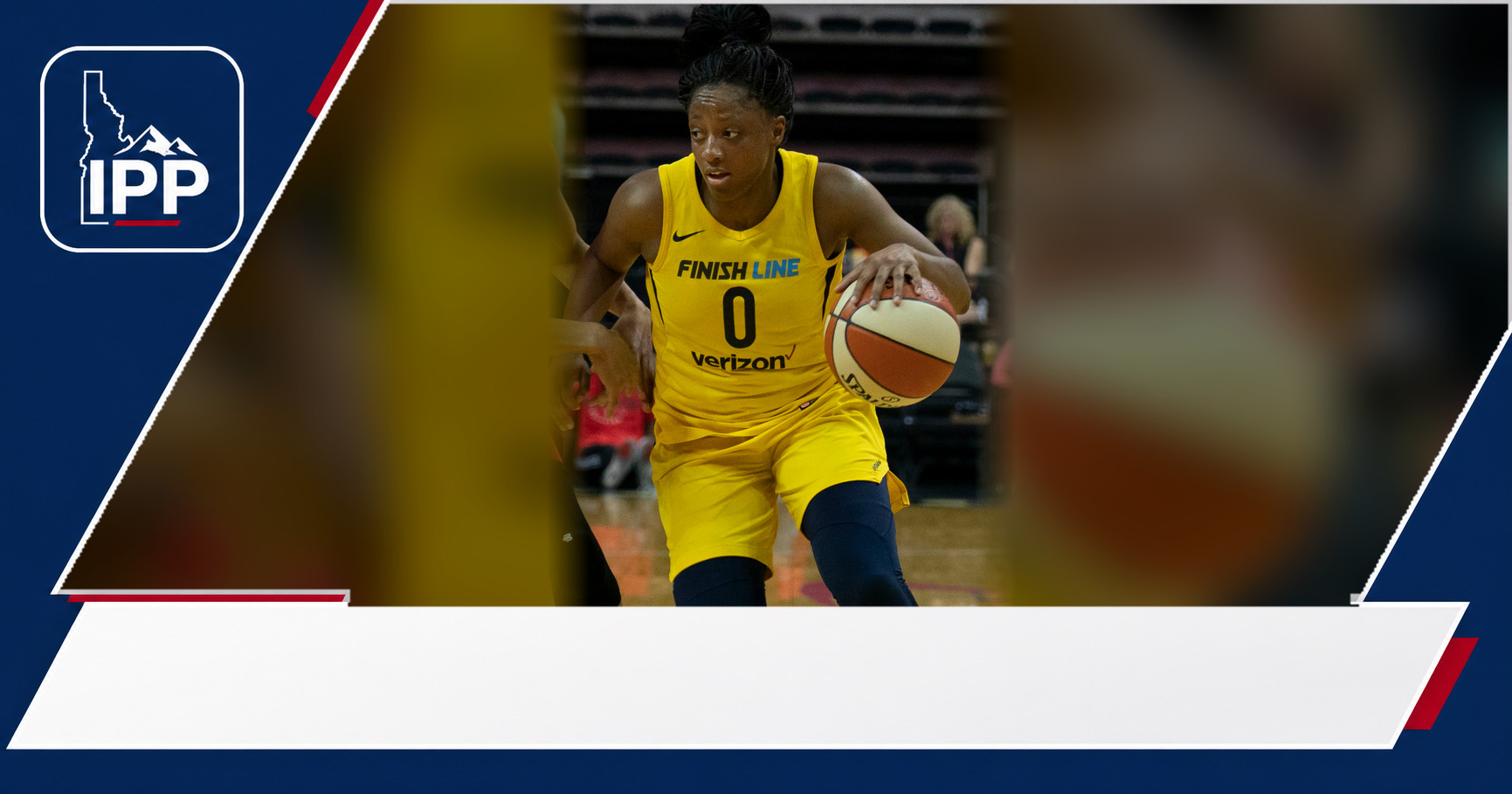
Mitchell’s story is not about a distraction. It is about the modern pro athlete’s harder bargain: producing now while preparing for life after basketball.
Kelsey Mitchell made a personal decision to pursue an online PhD in Educational Leadership at Liberty University while playing guard for the Indiana Fever, and that decision creates a dilemma for the Indiana Fever: one of their veteran scoring anchors is balancing WNBA travel with graduate-school deadlines.
In a PUMA Basketball interview posted July 25, 2026, Kelsey Mitchell reveals she once had two papers due while the Fever had to play Vegas, forcing her to ask a professor for extra time. It matters now because Mitchell’s off-court plan is increasingly part of her public profile and her long-term Fever story.
A deadline met the road
Mitchell’s example was ordinary in one sense and extremely specific in another. Plenty of students have asked for an extension. Far fewer have done it while traveling for a WNBA game.
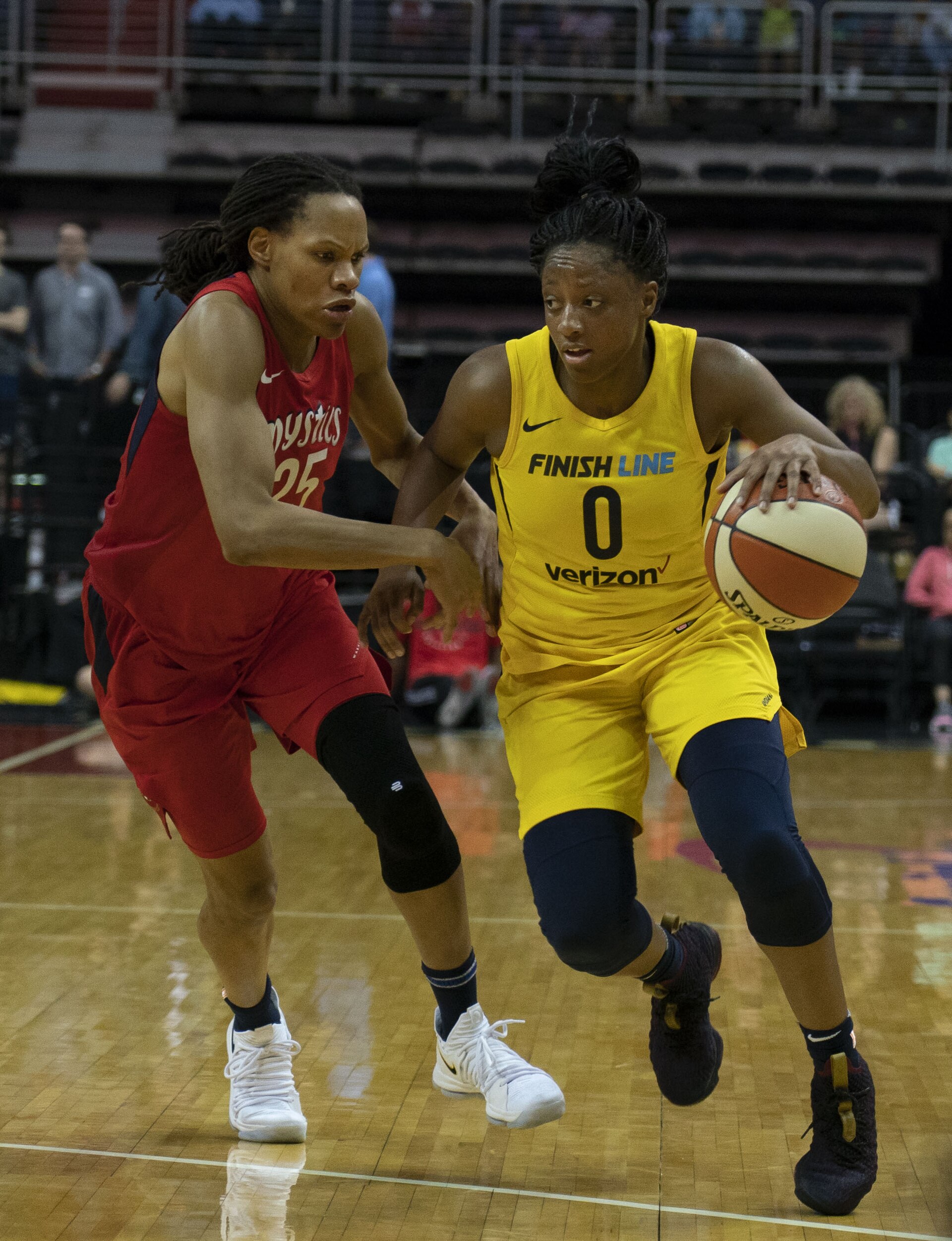
In the PUMA clip cited by ChiCitySports, Mitchell described having “two papers due at one time” as the Fever were preparing to play Vegas. The time difference complicated the deadline, and she said she contacted her professor to explain the situation.
Her pitch was blunt: she had to prove who she was and explain that she was a professional basketball player asking to turn the work in late. Mitchell said the professor eventually connected her name to the WNBA and became more lenient.
That is the small story. The larger one is more revealing. Mitchell is not merely adding a hobby around basketball. She is working toward a doctorate while still in the middle of a demanding pro career.
Why Fever need Mitchell steady
The Indiana Fever angle is not that Mitchell’s education is a problem in itself. The dilemma is that a team depends on routine, availability and recovery, while a doctoral program creates its own calendar that does not care about flights, shootarounds or time zones.
For a guard, the mental load is already heavy. Ball-handling, spacing, defensive assignments and late-game decisions require focus. Add academic papers and deadlines, and the margin for rest gets squeezed.
Mitchell’s value to Indiana makes the balancing act more noticeable. ChiCitySports identified her as a four-time WNBA All-Star and a former No. 2 pick in the 2018 WNBA Draft. That is not a fringe player trying to stay occupied on off days. It is a major rotation figure managing two serious commitments at once.
There is also a public perception trap here. Fans often praise athletes for preparing for life after sports, but the same fans can become impatient if any off-court commitment is framed as a distraction. Mitchell’s comments land in that tension.
The PUMA clip reframed her
The timing of the interview matters because Mitchell’s academic life is now tied to a broader brand moment. PUMA announced last month that Mitchell signed a multi-year deal with the company, making her a brand ambassador.
As part of that partnership, she is also connected to Indiana Pacers star Tyrese Haliburton’s “Hali” line, according to the reporting. That detail gives the story a local sports crossover: Fever guard, Pacers star, major basketball brand.
The PUMA interview did what athlete-brand content often tries to do. It made Mitchell more legible beyond the box score. Instead of presenting her only as a scorer or All-Star, it showed her negotiating a real student problem in the middle of a professional season.
That can help an athlete’s image, but it can also invite scrutiny. Once the public knows a player is juggling doctoral work, every rough shooting night or tired performance can be lazily folded into the same explanation, even when there is no evidence the two are connected.
PhD plan points beyond playing
Mitchell’s degree path also says something about how she sees her basketball future. ChiCitySports reported that she is enrolled in an online PhD program in Educational Leadership at Liberty University and is working toward finishing in 2028.
That timeline suggests planning, not panic. A professional career can be successful and still short compared with the working life that follows. Mitchell appears to be building credentials for the next chapter before basketball forces the question.
The report noted that she is positioning herself for a possible coaching or front-office role after her playing career. A doctorate in educational leadership does not guarantee that path, but it fits a profile: player, communicator, leader, future decision-maker.
For the Fever, that kind of ambition can cut both ways. A player who thinks deeply about leadership may bring more perspective to the locker room. At the same time, the organization still needs the daily version of Mitchell who is fully present for practices, travel and games.
Leniency has limits
Mitchell joked that being a basketball player has its perks because her professor became lenient. That line is funny because it is honest. It also raises a real fairness question.
Professors can make reasonable accommodations for students whose work schedules or travel create conflicts. Professional athletes are not the only people with demanding jobs. Nurses, parents, military members, teachers and hourly workers also face deadline collisions.
The difference is visibility. When Mitchell asks for help, her reason can be verified with a roster, a game schedule and a public identity. That may make the request easier to understand, but it does not erase the academic obligation.
Her story works because she did not frame the extension as entitlement. She described explaining herself, showing who she was and being grateful that the professor worked with her. That distinction matters.
What remains unclear
There is no indication from the available reporting that Mitchell’s PhD work has caused her to miss games, skip team duties or create a formal issue inside the Fever organization. The “dilemma” is practical, not a confirmed conflict.
It is also unclear how often these academic conflicts happen, what accommodations Liberty University provides for online doctoral students with unusual travel schedules, or whether the Fever have any role in helping Mitchell manage the overlap.
What is clear is that Mitchell’s personal decision has added a new layer to how her career is discussed. She is a guard trying to help Indiana now, a sponsored athlete building a brand, and a doctoral student preparing for what comes after the final buzzer of her playing career.
That combination is demanding. It is also increasingly normal for high-profile athletes who understand that a pro career is not the whole life. Mitchell’s story is less about a crisis for the Fever than a reminder of what modern athletes are asked to balance while everyone watches.






Leave a Reply