
The fight is not just about museum exhibits. It is about who gets to frame the national story in a milestone year for American history.
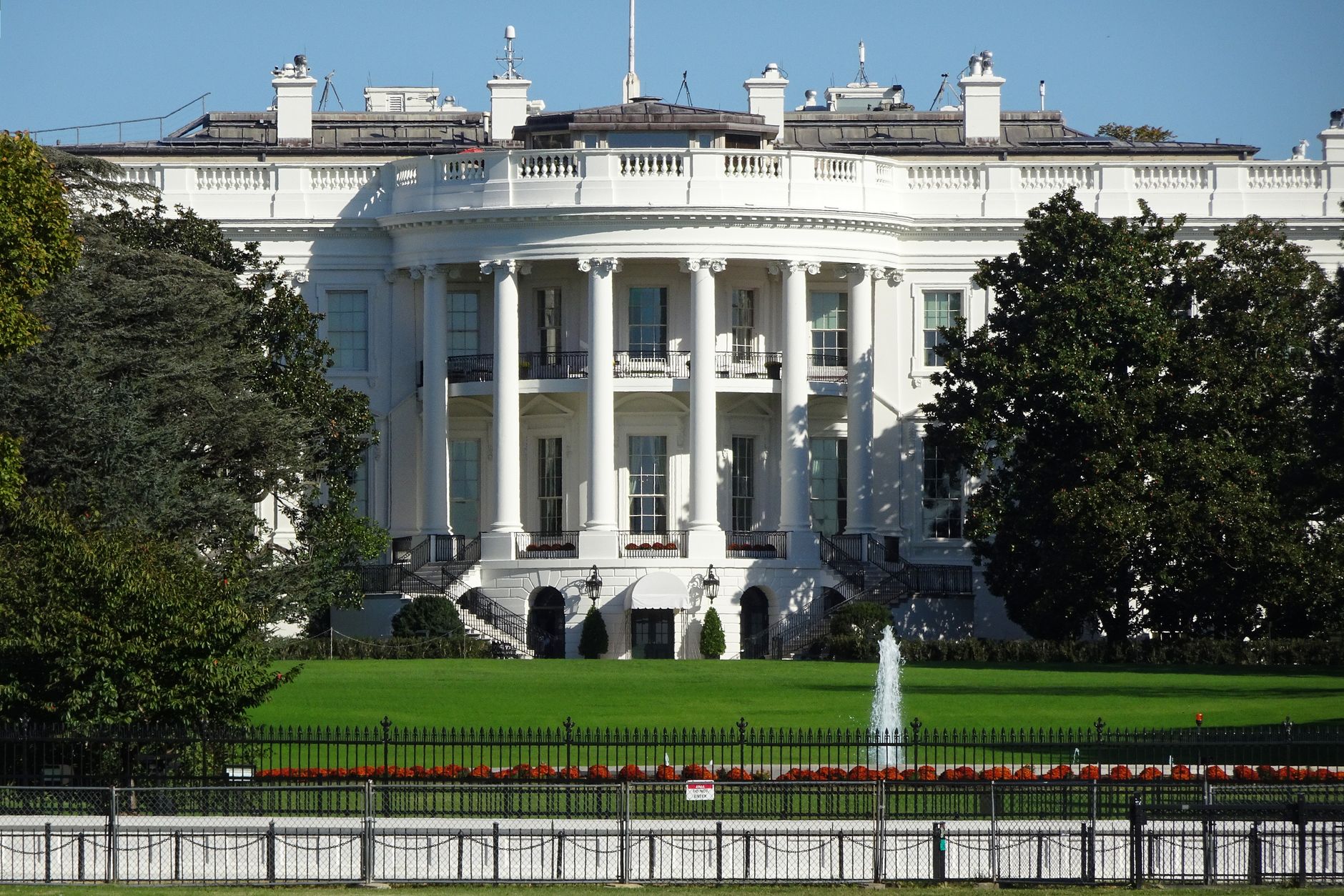
A July Fourth White House report has pushed the Smithsonian Institution into the center of a much larger argument over American history, patriotism and political power.
The 162-page report from the White House Domestic Policy Council targets the Smithsonian’s National Museum of American History, accusing its leaders of moving from education into activism. The Smithsonian is pushing back, saying its work remains nonpartisan and rooted in independent scholarship.
A July Fourth broadside
The timing was not subtle. The report was released on July 4, one year before the United States marks the 250th anniversary of the Declaration of Independence.
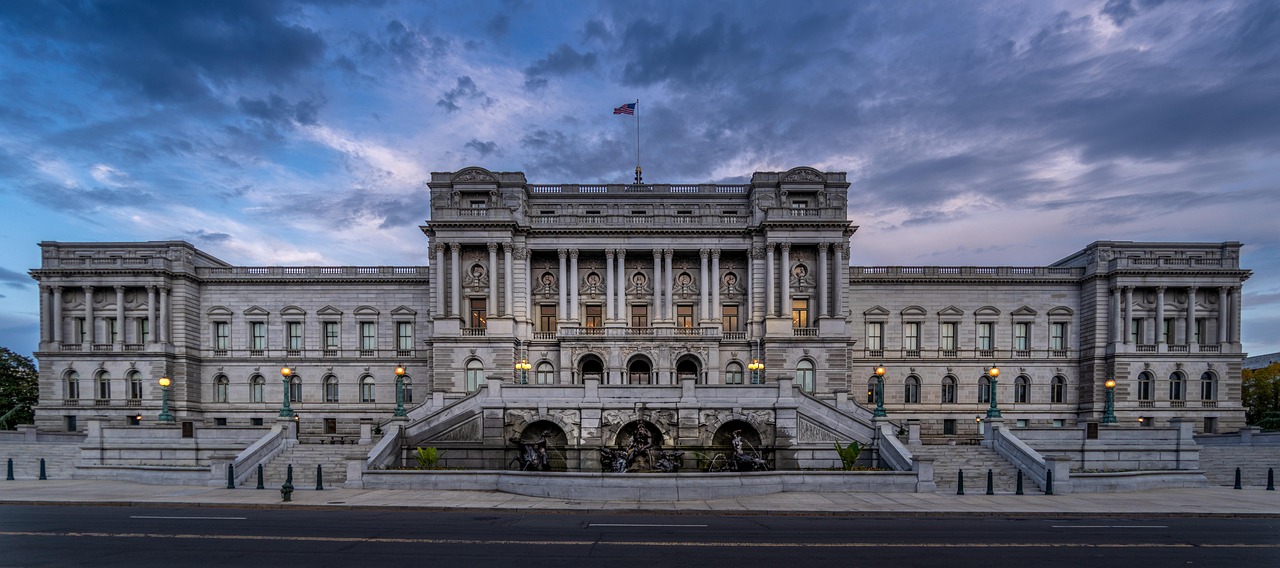
According to The Hill, the White House report argues that the National Museum of American History “fails in the basic task of illuminating” the nation’s heritage through its exhibits. The museum, opened in 1964, is one of the Smithsonian’s most visible public-facing institutions, with collections spanning politics, invention, war, popular culture and everyday life.
The report does not simply criticize a single exhibit or curatorial choice. Its central claim is broader: that museum leadership has adopted an ideological frame that turns national history into a political tool.
That is why this dispute is likely to keep growing. It places the Smithsonian, often described as America’s attic, inside the same culture-war lane as schools, libraries and universities.
The report’s core accusation
The White House report says its finding is not that the museum has merely added overlooked stories or widened its historical scope. It argues that the museum has stopped treating the American story as “a shared national inheritance” and instead presents it in a way the report says divides and discourages citizens.
The report claims the museum’s mission has shifted from “history to activism.” It cites National Museum of American History director Anthea Hartig, saying she has described history as a “prime tool of social justice.”
The White House also alleges that the museum has not done enough to inform visitors about the Founding Fathers, has “problematized” the 250th anniversary and has presented exhibits that advocate on behalf of undocumented migrants, transgender Americans and other minority groups.
Those claims are politically loaded, but they also raise a real museum question: should a national history museum primarily celebrate a common civic inheritance, or should it emphasize the conflicts and exclusions that shaped that inheritance? The report’s answer is clear. The Smithsonian’s answer is not the same.
The Smithsonian’s answer
A Smithsonian spokesperson told The Hill that the institution has served the American public “with nonpartisan and independent scholarship” for more than 180 years and remains committed to doing so.
Lonnie Bunch III, the Smithsonian’s secretary since 2019, has also framed the coming anniversary as a moment for reflection rather than simple celebration. In a CNN appearance on Amanpour, Bunch said history is about “ambiguity, complexity, nuance, debate.”
That line goes to the heart of the clash. For museum leaders, complexity is often the point: a way to help visitors understand how the country has changed, who was excluded from earlier versions of the national story and how present-day debates are connected to the past.
For the White House, at least as described in the report, that same approach can look like institutional capture. The administration’s language suggests it sees some museum narratives not as scholarship, but as political messaging wearing the clothes of scholarship.
Trump had already set the stage
The report did not come out of nowhere. President Donald Trump signed an executive order in March directing his administration to restore federal sites dedicated to history, including parks and museums, into “solemn and uplifting public monuments.”
The order called for those sites to remind Americans of what it described as the nation’s extraordinary heritage, progress toward a more perfect Union and record of advancing liberty, prosperity and human flourishing.
It also included a governance-related provision. The order directed Vice President JD Vance, if necessary, to work with House Speaker Mike Johnson and Senate Majority Leader John Thune on appointing citizen members to the Smithsonian Board of Regents.
That matters because the Smithsonian is not just a cluster of museums. It is a major public institution with federal ties, public funding and an unusual governance structure. Pressure on its leadership can become pressure on its exhibits, priorities and public message.
Why the 250th birthday matters
The United States’ 250th anniversary will not be a normal commemoration. It is arriving in a polarized country where even the words used to describe the nation’s founding can become political signals.
The National Museum of American History has already opened an exhibit exploring the ideals of the Declaration of Independence. The White House report’s criticism suggests the administration will be watching closely how federal and federally connected institutions tell that anniversary story.
There is an obvious tension. A milestone birthday usually invites pageantry, unity and patriotic language. A serious history museum is also expected to handle slavery, dispossession, immigration, civil rights, war, protest, expansion and inequality with accuracy and context.
The hardest version of the job is doing both: honoring the country’s founding ideals without flattening the people who were denied them. The fight over the Smithsonian is, in part, a fight over whether that balance is possible or whether one side sees balance itself as bias.
The fight is just beginning
The report itself does not close a museum, rewrite an exhibit label or remove a director. Its immediate power is political: it puts the Smithsonian on notice and gives allies of the administration a detailed case to cite.
What remains unclear is whether the White House will seek concrete changes at the Smithsonian through appointments, funding pressure, oversight or public campaigning. It is also unclear how aggressively Smithsonian leaders will defend curatorial independence if the fight intensifies.
For visitors, the stakes may sound abstract until they show up in the galleries. Public museums shape what millions of people learn about the country, often more vividly than textbooks or speeches. They decide which objects are displayed, whose stories are centered and what questions visitors are invited to ask.
That is why this dispute is bigger than one report. The White House is arguing that America’s premier history museum has lost the plot. The Smithsonian is saying that complexity is not a betrayal of the national story, but part of telling it honestly.








Leave a Reply