
The Florida Republican’s call for a probe follows a highly visible Independence Day march by the white nationalist group in Washington. The bigger fight is over how far political leaders should go when extremist groups use public demonstrations to command attention.
A masked Independence Day march by Patriot Front in Washington, D.C., has turned into a political test for Republicans who are being asked to condemn, defend, investigate or ignore the white nationalist group.
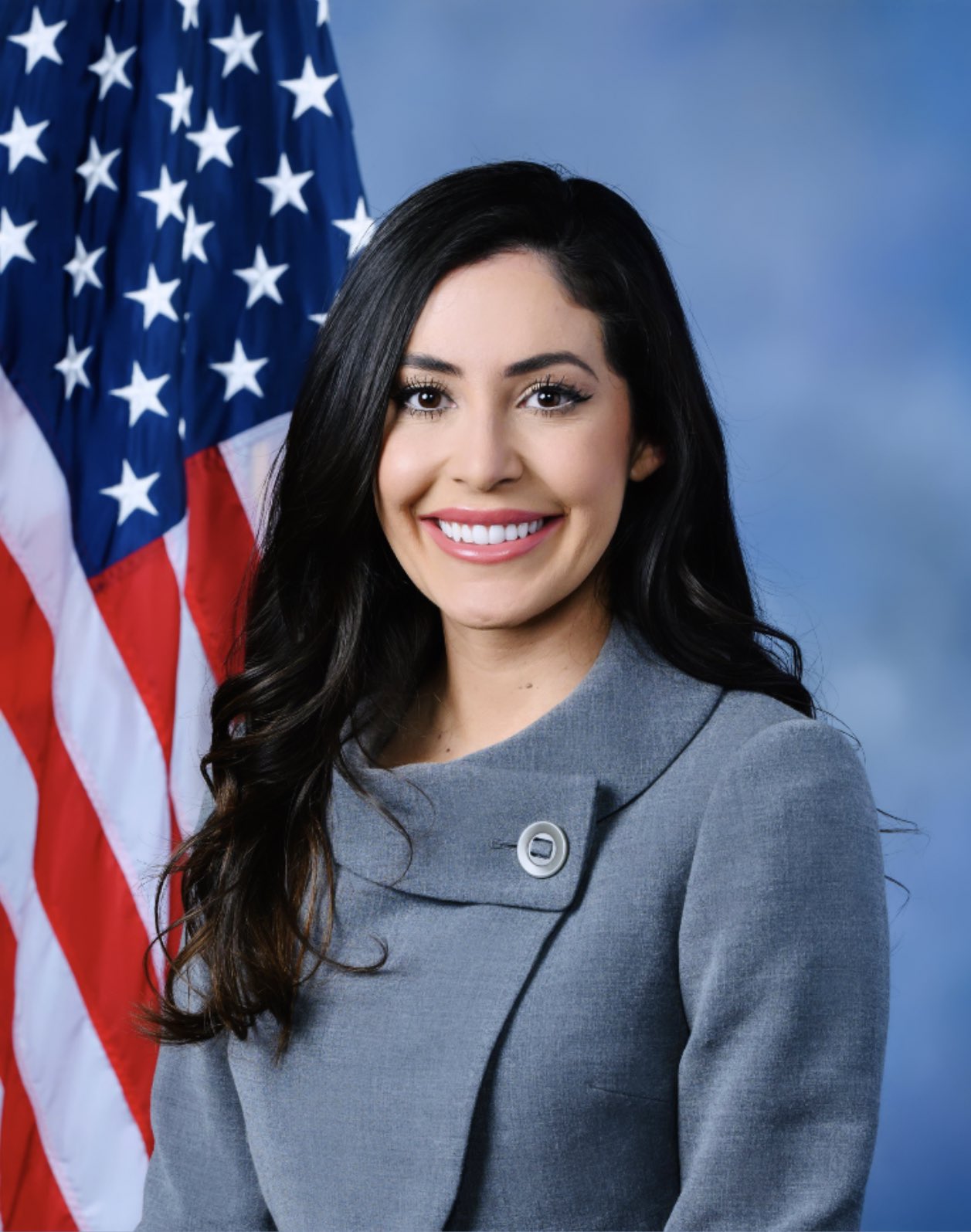
Rep. Anna Paulina Luna, a Florida Republican, chose the most aggressive lane Monday: she called for an investigation, saying the House Oversight Committee should “do some digging” after the group’s highly visible demonstration in the nation’s capital.
Luna pushes for scrutiny
Luna’s demand came in a post on X cited by The Hill, where she questioned why Patriot Front had not, in her view, received more federal scrutiny under President Biden.
“What I find odd about Patriot Front is how under Biden they were never investigated. Well funded. Never investigated,” Luna wrote, according to The Hill. She also accused the FBI under Biden of looking into Catholics instead, then tagged the GOP-led oversight panel.
That framing matters. Luna did not merely denounce Patriot Front’s message. She tied the group to a broader conservative grievance about federal law enforcement priorities and suggested Congress should examine whether the organization has been overlooked.
The Hill report did not cite evidence from Luna proving that Patriot Front had never been investigated. Her post, as reported, was a demand for inquiry, not the announcement of an existing congressional probe.
The march that set it off
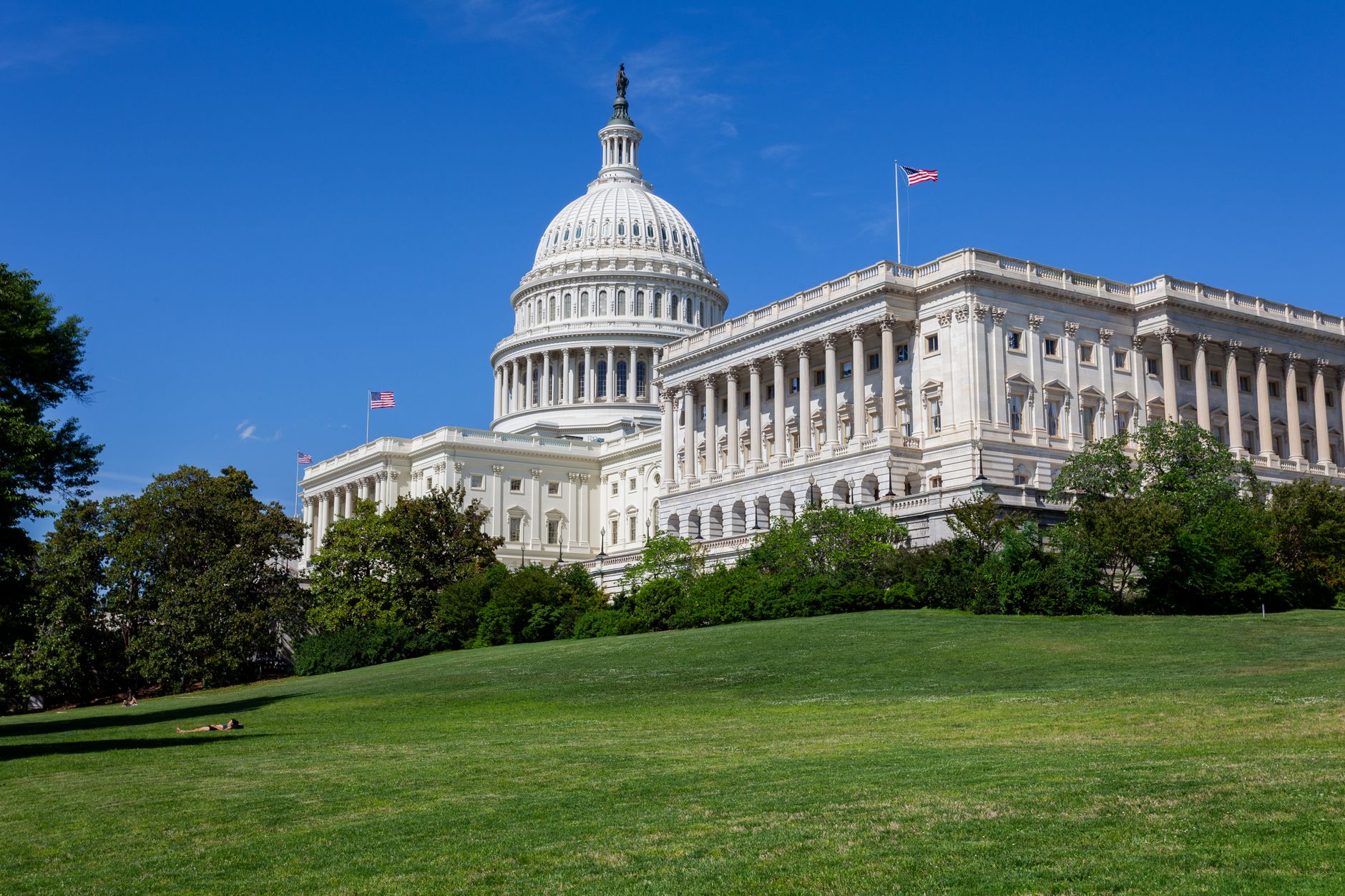
The immediate trigger was Patriot Front’s July 4 presence in Washington. Reuters reported that hundreds of masked members of the group marched through parts of the city on Independence Day.
The Hill reported the demonstration involved about 400 people. Many were masked and uniformed, and some carried American flags upside down.
Patriot Front is known for staged “flash demonstrations,” according to the Anti-Defamation League, a tactic that can make a relatively small organization appear larger and more disciplined than it may be in day-to-day political life.
That is part of the point. Groups like Patriot Front use choreography, matching clothing, tight formations and symbolic locations to generate images that travel far beyond the march route. A demonstration in Washington on July 4 is designed to be seen, shared and argued over.
Republicans offer different answers
The response from Republicans has not been uniform. Interior Secretary Doug Burgum, appearing Sunday on CNN’s “State of the Union,” said he disagreed with Patriot Front’s views but defended the constitutional principle of free speech.
“Certainly what they stand for is nothing that I could possibly agree with,” Burgum told CNN, according to The Hill. He said democracy is messy because offensive and reprehensible views are often protected in America.
Burgum did not commit, in that interview, to advising President Donald Trump to condemn either the organization or the demonstration.
Rep. Buddy Carter, a Georgia Republican, took a sharper moral line on the same program. He said Patriot Front’s actions were “not the soul of America” and argued they did not reflect equality or the Republican Party, according to The Hill.
Why Patriot Front draws attention
Patriot Front is not a generic protest group. Reuters described it as a white nationalist organization, and the ADL identifies it as one of the most visible white supremacist groups in the United States.
The ADL has said Patriot Front has been responsible for the vast majority of white supremacist propaganda distribution since 2019. That record helps explain why a march that might otherwise be treated as a brief public-order episode can quickly become a national political story.
The group emerged in 2017 under Thomas Rousseau after the “Unite the Right” rally in Charlottesville, Virginia, according to George Washington University’s Program on Extremism. Its manifesto calls for the creation of a white ethnostate, The Hill reported.
Those facts make official responses harder. Condemnation is politically straightforward for many lawmakers. Calls for investigation are more complicated because they raise questions about what, exactly, is being investigated: protected speech, possible coordination, financing, public safety concerns or something else.
The free speech problem
Public demonstrations, even by extremist groups, are often protected by the First Amendment if they do not cross into violence, threats, conspiracy or other unlawful conduct. That is the constitutional line Burgum was pointing to.
But free speech protection does not make a group immune from scrutiny. Congress can hold hearings, request documents and question officials about enforcement priorities. Law enforcement can investigate specific evidence of criminal activity, though unpopular ideology by itself is not supposed to be enough.
That distinction is where the politics gets messy. Critics of extremist groups often want a forceful official response. Civil liberties advocates warn that government power aimed at odious speakers can later be used against other political movements.
Luna’s call lands directly in that tension. If the inquiry is about whether federal agencies ignored legitimate risks, that is one kind of oversight. If it becomes a demand to investigate people solely for marching under a hateful ideology, it runs into much harder constitutional terrain.
What a probe could reveal
If House Republicans pursue Luna’s suggestion, the first question would likely be scope. A serious inquiry would need to define what Congress wants to know and which agencies, if any, would be asked to answer.
Possible areas could include:
- whether federal agencies tracked security risks around the Washington demonstration;
- how local and federal authorities coordinated during the march;
- whether officials have assessed Patriot Front’s propaganda operations or recruitment activity;
- what standards agencies use when extremist groups hold public events;
- how to balance threat assessment with constitutional protections.
Those questions are narrower than the broader online claim that the group was simply “never investigated.” They are also more likely to produce answers that can be checked rather than slogans that circulate without resolution.
For now, there is no public indication from the cited reports that the House Oversight Committee has opened a formal Patriot Front investigation. Luna’s post is a pressure point, not yet a process.
The takeaway for Washington
Patriot Front’s march succeeded in one obvious way: it forced national attention. The harder question is whether that attention becomes accountability, political theater or both.
Republicans now face competing incentives. They can condemn the group’s ideology, defend constitutional speech rights, question law enforcement priorities, or try to avoid amplifying the spectacle. Luna’s demand tries to turn the moment into an oversight fight.
The next signal to watch is whether House GOP leaders treat her call as a serious agenda item or let it remain a social-media challenge. Until then, the march has exposed a familiar Washington dilemma: how to respond to extremist visibility without either normalizing it or giving it exactly the spotlight it wanted.




Leave a Reply