
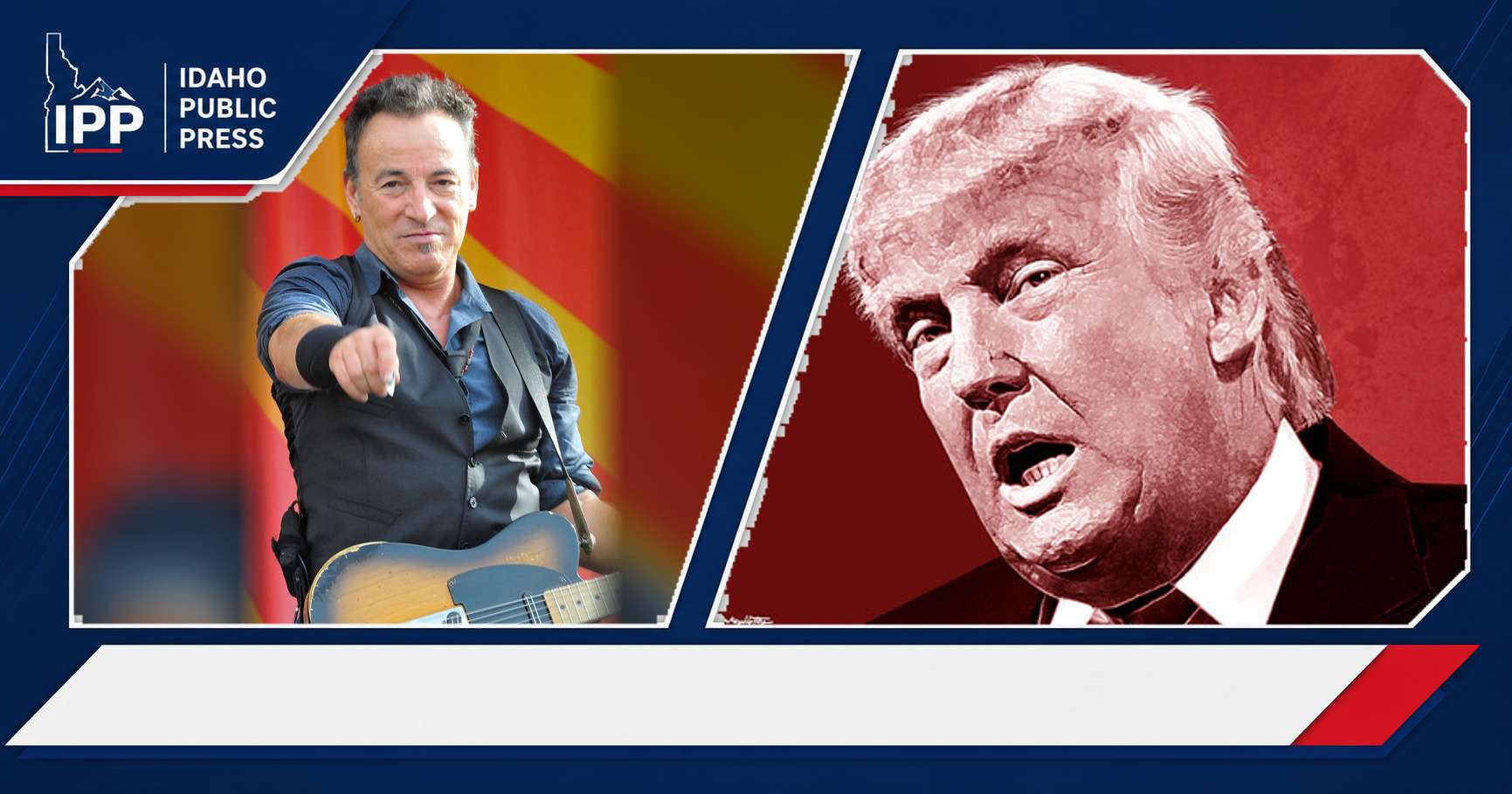
The backlash centers on a question that has followed Springsteen for decades: when an artist attacks a U.S. administration, is that dissent or disrespect? His Manchester remarks have put that line back under a spotlight.
Bruce Springsteen is being criticized by fellow rock musicians after remarks at a Manchester, England, concert were cast by critics as anti-American; the criticism is over remarks seen as dissing his own country. The comments came during the May 14, 2025, opening night of Springsteen’s Land of Hope and Dreams tour, when he called President Donald Trump’s administration “corrupt, incompetent and treasonous,” CBS News reported. The latest Bruce Springsteen slammed headlines are about more than one concert speech.
The dispute matters now because the Boss’s most familiar artistic theme — loving America while arguing with it — has again become a test of celebrity patriotism. To critics, Springsteen crossed a line by condemning U.S. leadership from a foreign stage. To supporters, he was doing what he has done for decades: using rock music as a language for civic alarm.
Manchester remarks sparked the fight
Springsteen made the comments in Manchester during the first show of his British tour with the E Street Band. According to CBS News, he told the crowd that “the America I love” had been “a beacon of hope and liberty for 250 years” but was now “in the hands of a corrupt, incompetent and treasonous administration.”
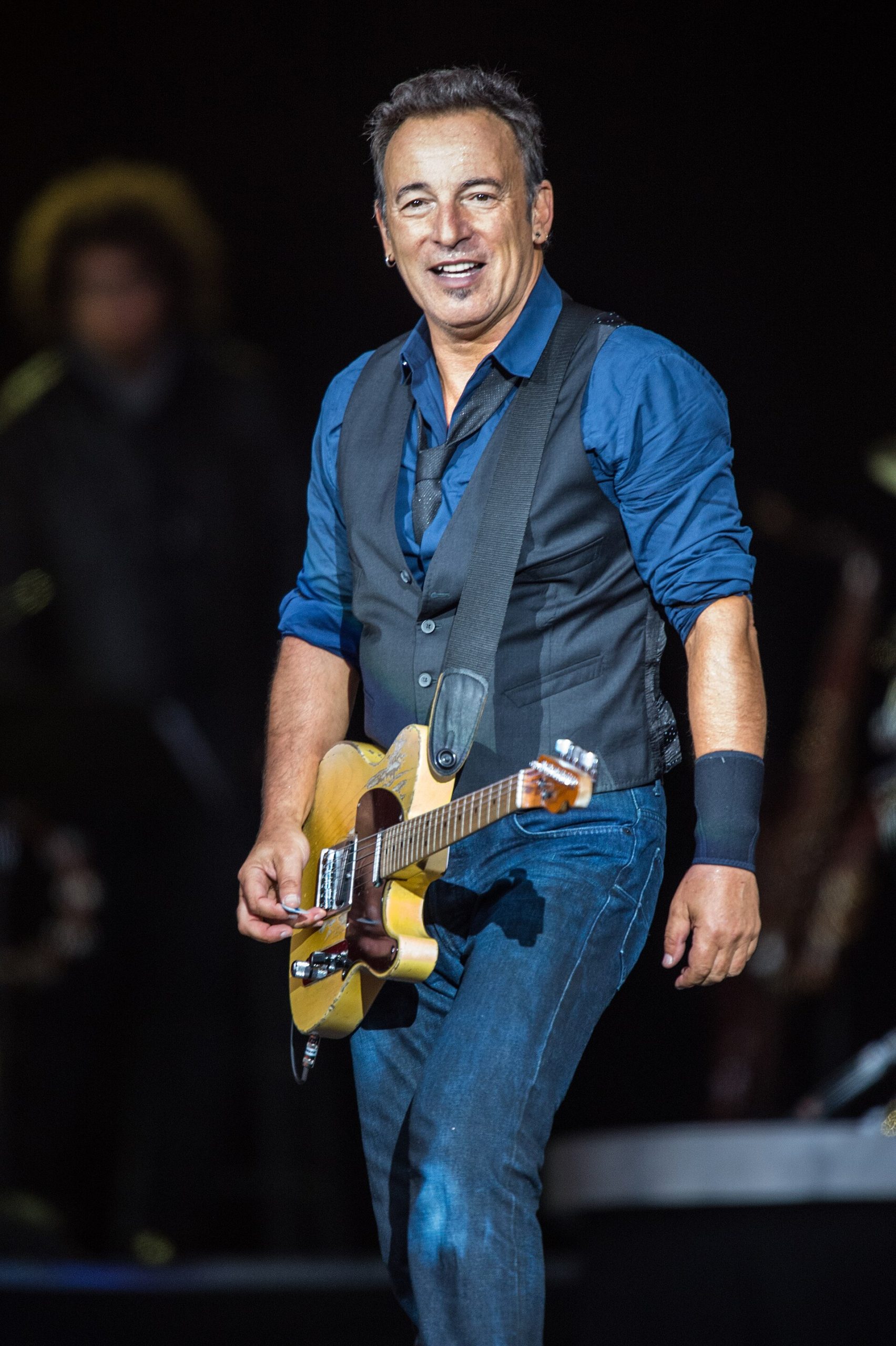
That phrasing is the core of the backlash. The criticism from fellow rockers, as reflected in entertainment coverage of the dispute, centers on the idea that Springsteen was not merely attacking a president or a party, but embarrassing the United States abroad.
Springsteen’s own wording complicates that charge. He did not say he hated America. He described “the America I love” and tied his remarks to what he called the “righteous power of art, of music, of rock ’n’ roll in dangerous times.”
That distinction is where the argument lives: whether a public attack on a government, delivered overseas, is an act of democratic dissent or a public slight against the country itself.
The patriotism argument cuts both ways
Springsteen’s critics have a straightforward case. When one of America’s most recognizable rock stars denounces a sitting administration in another country, the moment travels far beyond the arena. It becomes a clip, a headline and a symbol.
For those critics, the location matters. Saying it in Manchester, not New Jersey or Washington, makes the speech feel less like an internal family argument and more like airing national shame for an international audience.
His defenders hear something different. Springsteen has built a career on songs about workers, veterans, small towns, broken promises and hard-won hope. In that tradition, criticizing leaders is not a rejection of the country. It is the point of participating in it.
The phrase “dissing his own country” is powerful because it collapses that distinction. It treats criticism of an administration as criticism of America itself. Springsteen’s side of the debate depends on keeping those two things separate.
Springsteen has been here before
This is not a new role for Springsteen. CBS News noted that he has long supported Democratic presidential candidates and has repeatedly criticized Trump over the years.
During the 2024 presidential campaign, Springsteen endorsed Kamala Harris and described Trump as “the most dangerous candidate for president in my lifetime,” according to CBS News. In earlier years, he also criticized Trump in interviews, including a 2016 Rolling Stone interview and comments reported by The Atlantic during the 2020 campaign.
That history helps explain why the latest fight caught so quickly. Springsteen is not an apolitical celebrity making a rare detour into current events. He is an artist whose public identity includes political judgment, and whose critics already know where he stands.
It also explains why the backlash is so personal. Springsteen’s image is wrapped in American symbols: highways, factories, flags, veterans, unions, border towns, boardwalks and Friday-night escape routes. When he denounces American leadership, fans and detractors both read it through that mythology.
Trump made it personal
The Manchester speech also drew a sharp response from Trump himself. CBS News reported that Trump posted on Truth Social after Springsteen’s comments, calling the rocker a “pushy, obnoxious JERK” and saying he should “KEEP HIS MOUTH SHUT” until returning to the United States.
Trump’s response shifted the story from a concert speech into a direct celebrity-versus-president clash. It also sharpened the tone around Springsteen’s remarks by turning political criticism into a personal exchange.
That matters because celebrity political speech often moves in two stages. First comes the statement. Then comes the reaction, which can become larger than the original comments.
In this case, the backlash from fellow musicians fits into a broader response ecosystem: Springsteen attacks Trump’s administration, Trump attacks Springsteen, and other public figures weigh in on whether the rock star went too far.
Why Springsteen is a lightning rod
Springsteen occupies a strange place in American culture. He is often treated as a patriotic songwriter, but many of his most famous songs are not simple celebrations. They are full of loss, economic pressure, political disillusionment and people trying to survive systems that do not notice them.
That tension has followed him for decades. Born in the U.S.A. is frequently heard as a flag-waving anthem, even though its lyrics tell a darker story about a Vietnam veteran returning to a country that has failed him. Springsteen’s public politics are often less surprising when heard through that lens.
Still, the criticism lands because Springsteen’s stagecraft uses national language with unusual force. When he says “America,” people listen for whether he means the country, its people, its ideals, its government or its failures.
His Manchester remarks used all of those registers at once. That is why a few lines from a concert speech can become a debate about who gets to define patriotism.
What remains unclear
The biggest unresolved question is whether the fellow rockers criticizing Springsteen are reacting to the full context of his remarks or to the most combustible excerpts. The available public reporting highlights the headline-making lines, but the broader speech included his claim that he was speaking for an America he loves.
It is also unclear whether the backlash will matter beyond the news cycle. Springsteen’s audience has long included people who disagree with his politics, and political controversy has rarely pushed him out of the center of rock culture.
What is clear is that Springsteen’s critics and defenders are not really arguing over one sentence. They are arguing over a public role: whether a famous musician should challenge the country’s leaders on a foreign stage, or whether that platform carries a duty to soften the critique.
Springsteen appears unlikely to retreat from that territory. The Manchester comments fit too neatly with the career he has already made — one built on American devotion, American disappointment and the belief that rock ’n’ roll can still sound like an alarm bell.



Leave a Reply