
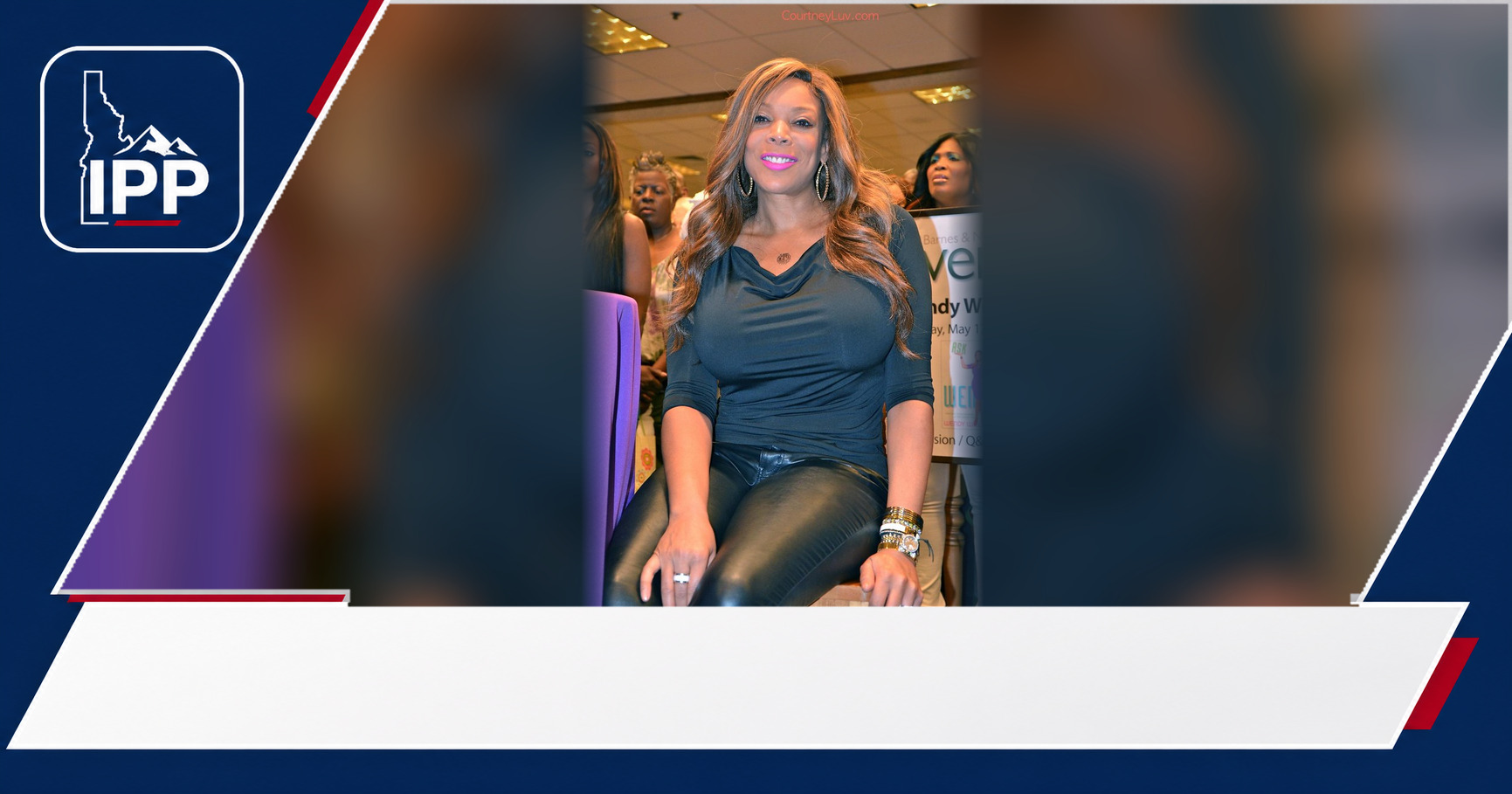
The settlement closes one courtroom chapter in a fight that raised uncomfortable questions about celebrity access, medical vulnerability and who gets to profit from personal crisis.
Wendy Williams’ guardian settled the lawsuit over Lifetime’s controversial documentary Where Is Wendy Williams?, resolving the legal dispute over the documentary that has followed its 2024 release. Sabrina Morrissey, Williams’ court-appointed guardian, and defendants including Lifetime and A&E Network filed a joint motion to resolve the matter, according to court documents obtained by Rolling Stone.
The settlement matters because the case was never just about a TV project. It centered on whether Williams, a former talk show powerhouse whose care team disclosed diagnoses of primary progressive aphasia and frontotemporal dementia just before the film aired, could meaningfully consent to being filmed and paid for such intimate footage.
A settlement after a failed block
Morrissey first sued in February 2024, seeking to stop Lifetime, A&E Network and other producers from releasing the two-part documentary. That attempt did not prevent the rollout, and the series aired as planned.
The new development is not a trial verdict or a public finding that one side was right. It is a settlement, reached through a joint motion that addressed the settlement agreement, proposed attorneys’ fees and costs for Williams’ attorneys, and the proposed distribution of any settlement payment, according to Rolling Stone’s account of the court documents.
That distinction is important. Settlements often end disputes without fully answering the questions that brought the parties to court. Here, the unresolved public question remains stark: who had the authority, and the ethical standing, to allow cameras into Williams’ life at a time of alleged medical and personal vulnerability?
What the guardian alleged
In an amended complaint filed months after the documentary aired, Morrissey argued that the series was made “without a valid contract” while Williams was “highly vulnerable and clearly incapable of consenting to being filmed, much less humiliated and exploited.”
The complaint accused A&E Network of “willfully taking advantage of a severely impaired, incapacitated person” and profiting from the docuseries. It also alleged that Williams received $82,000 while the network and others made “millions” from the project.
Morrissey sought to redirect profits from Where Is Wendy Williams? to Williams, arguing in the filing that the money should support her medical care and supervision for the rest of her life.
The amended complaint also challenged the circumstances surrounding the alleged contract. It claimed producers presented the agreement after Williams had already been filmed and described her as “clearly disheveled, not mentally present, and confused.”
The documentary’s uncomfortable premise
Where Is Wendy Williams? followed roughly two years in Williams’ life as her health, public career and personal autonomy became the subject of intense scrutiny. The documentary arrived after years in which Williams’ absence from daytime television and public appearances had fueled speculation among fans and tabloids.
That public curiosity helped make the project commercially attractive. It also made the consent question harder to separate from the entertainment value of watching a familiar celebrity struggle.
The timing sharpened the debate. Just days before the documentary’s 2024 release, Williams’ care team disclosed that she had been diagnosed with primary progressive aphasia and frontotemporal dementia. Those conditions can affect communication, behavior, judgment and daily functioning, though the public record in this dispute focused on the legal claims around her capacity and contract.
For viewers, the documentary was marketed as a look behind the mystery surrounding Williams’ life. For Morrissey, according to the complaint, it represented exploitation of someone who could not properly agree to the exposure.
Williams has pushed back
The settlement also sits alongside a more complicated reality: Williams has publicly challenged the idea that she should be treated as incapacitated. Her own statements have not always aligned neatly with the legal position advanced by her guardian.
During a March 2025 call-in appearance on The View, Williams objected to how she was being represented under guardianship. She described herself as a college-educated woman with a long career in radio and television and said she felt misunderstood by the guardianship system around her.
“I need them to get off my neck,” Williams said during that appearance, referring to her guardian and a guardianship judge.
Those remarks complicate any simple narrative of protection versus exploitation. A guardian may argue that a vulnerable person needs legal protection from powerful media companies. The person under guardianship may, at the same time, object to the loss of control that comes with that protection.
Why this case resonated
Celebrity documentaries often depend on access during fragile moments: addiction, illness, divorce, financial collapse, family conflict. The more intimate the footage, the more valuable the product can become.
The Williams dispute turned that business model into a legal and ethical fight. If a public figure is struggling with serious health issues, who decides whether the cameras should keep rolling? Is a signed contract enough if the person’s capacity is later challenged? And if a documentary profits from someone’s decline, what does fair compensation look like?
The case also landed in a cultural moment when viewers are more skeptical about documentaries that blur sympathy, surveillance and spectacle. Williams built a career on blunt talk and public persona, but the lawsuit asked whether fame should make someone more available to cameras when their health is deteriorating.
- For Williams: the fight concerned money, dignity and control over her image.
- For Lifetime and A&E: the dispute threatened a high-profile documentary project and raised questions about production practices.
- For viewers: it challenged the line between concern for a celebrity and consumption of private distress.
What remains unclear
The public reporting on the settlement does not reveal every term. It is not clear how much money, if any, will ultimately go to Williams, how attorneys’ fees will be handled in final form, or whether the settlement includes restrictions on future use of footage.
Rolling Stone reported that representatives for Williams and A&E Networks did not immediately return requests for comment. Without fuller statements from the parties, the settlement closes the legal dispute more than it closes the public debate.
What is clear is that Morrissey’s lawsuit forced a broader reckoning around Where Is Wendy Williams?. The documentary was built around access to a star in crisis. The case that followed asked whether that access was valid, ethical and fairly compensated.
The settlement ends the court fight for now, but the questions it raised are likely to follow the next celebrity documentary that promises an unfiltered look at someone whose ability to say yes is itself in dispute.

Leave a Reply